
How To
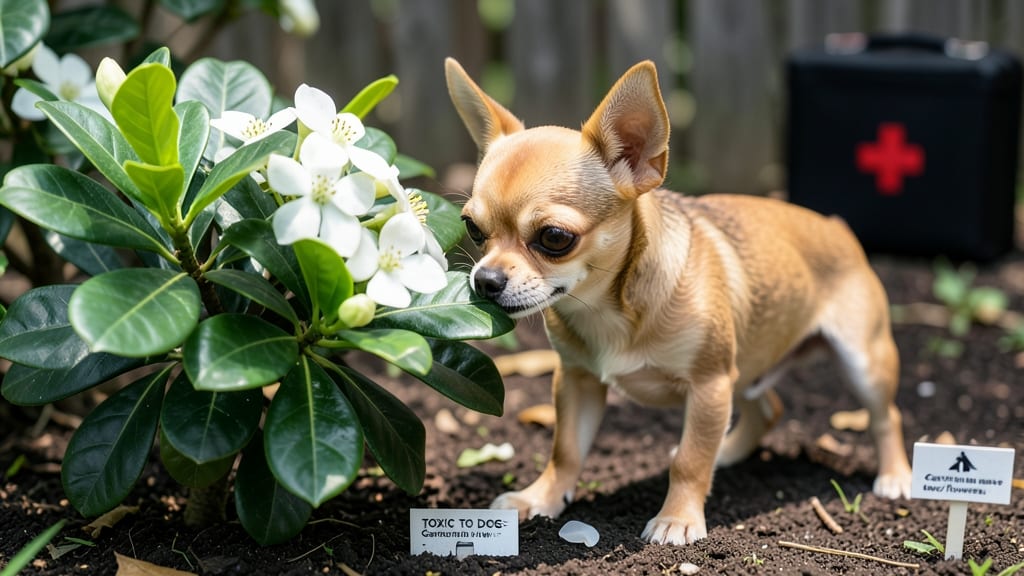
Gardenias are toxic to dogs because their leaves, flowers, and stems contain saponins and other irritants that can trigger vomiting, diarrhea, and excessive drooling if ingested. If your dog shows signs of exposure, seek veterinary attention immediately.
Gardenias contain natural compounds like saponins and glycosides that disrupt a dog's digestive system when consumed. 🌸 These chemicals create mild to severe gastrointestinal distress, depending on how much your pet ingests.
Even small amounts of leaves or flowers can cause noticeable symptoms within hours, so it's best to keep these plants out of reach. I've seen cases where dogs chewed on gardenia stems and ended up with drooling, lethargy, and loss of appetite—signs that warrant a vet visit.
What's important to remember is that gardenias aren't just toxic when eaten—they can also cause skin irritation if your dog brushes against them. Always monitor your pet's behavior after they've been near these plants, and remove any gardenia debris from their fur or mouth immediately.
If symptoms like vomiting or diarrhea persist beyond a few hours, professional treatment becomes essential.
💡 In This Article
- Toxic Components in Gardenias and How They Affect Dogs
- First Aid Steps for Dogs Exposed to Gardenias
Toxic components in gardenias and how they affect dogs
Gardenias contain two primary toxic compounds that affect dogs: saponins and glycosides. Saponins create a soapy texture when mixed with water, which irritates the mouth and digestive tract upon ingestion. These compounds disrupt cell membranes, leading to inflammation and damage in the gastrointestinal lining.
Glycosides, meanwhile, interfere with normal cellular processes, particularly in the liver and kidneys, causing metabolic stress. Together, they create a double threat—immediate irritation and potential long-term organ strain.
The severity of symptoms depends on the amount consumed and the dog's size.
A small dog weighing 10 pounds might experience mild symptoms after eating just a few leaves, while a larger dog could show severe reactions after consuming entire stems or flowers. 🌿 The saponins trigger excessive salivation (drooling) within 30-60 minutes of exposure, while glycosides may cause vomiting and diarrhea within 2-6 hours.
In rare cases, large ingestions can lead to lethargy, weakness, or even tremors due to the body's struggle to process these compounds.
What makes gardenias particularly dangerous is their palatability. Unlike some toxic plants that dogs avoid, gardenia flowers have a sweet, fragrant aroma that can entice curious pets. The leaves, while less appealing, may still be chewed if a dog is desperate for attention or experiencing nausea from other causes.
This dual nature—both attractive and harmful—makes gardenias a common culprit in pet poisoning cases. Always supervise your dog around these plants, especially if they're known to nibble on foliage.
Beyond ingestion, gardenias can also cause skin irritation if a dog brushes against them. The sap contains mild allergens that may trigger redness, itching, or hives in sensitive pets.
If you notice your dog pawing at their mouth or face after contact, rinse the area with lukewarm water and monitor for swelling. Inhaling gardenia pollen can even provoke sneezing or coughing in some dogs, similar to seasonal allergies in humans. 🐾
The digestive system reacts to gardenia toxins in stages. First, the saponins cause immediate mouth irritation, leading to drooling and gagging. Next, the glycosides travel to the stomach and intestines, where they disrupt nutrient absorption and fluid balance, resulting in diarrhea.
Finally, if the toxins reach the liver or kidneys, they can impair detoxification processes, causing prolonged weakness or dehydration. This multi-phase reaction is why symptoms often escalate over time rather than appearing all at once.
To put it into perspective, gardenias are moderately toxic—ranked as a Level 3 on the ASPCA's toxicity scale (where Level 1 is mildly toxic and Level 5 is fatal). While rare, severe cases can occur, especially in small breeds or dogs with pre-existing health conditions.
The key takeaway? Prevention is easier than treatment. Removing gardenias from your home or yard entirely is the safest option if you have a pet prone to chewing plants.