
Tools
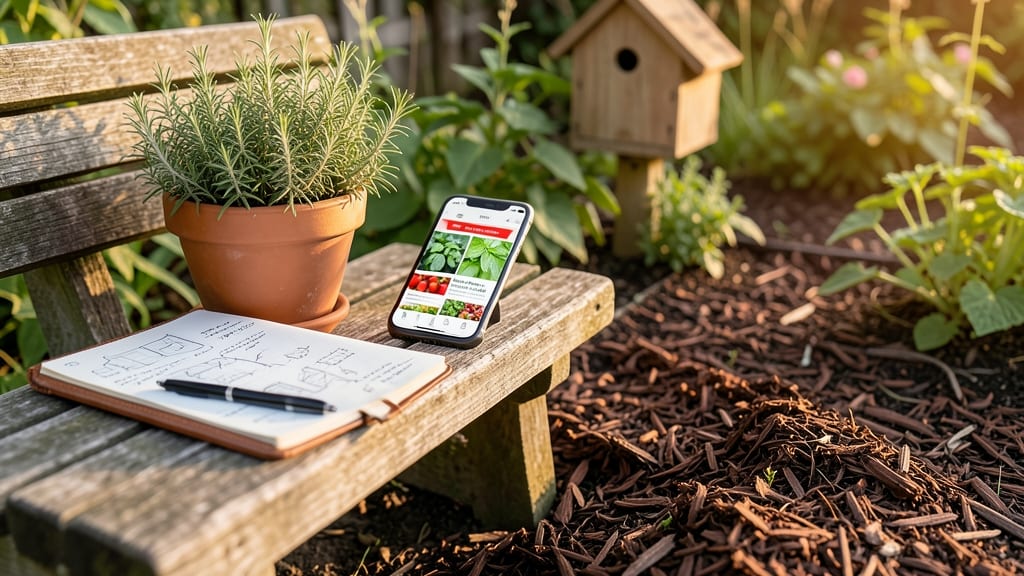
Today’s gardening news reveals how regenerative gardening techniques, climate-resistant seed varieties, and smart tech tools are revolutionizing both backyard plots and large-scale farms. These innovations address everything from soil depletion to water scarcity while offering gardeners new ways to fight invasive pests.
This week's gardening headlines show why soil health isn't just about aesthetics—it's about survival.
Regenerative methods like cover cropping and biochar amendments are proving 30% more effective at drought recovery than traditional tilling, according to recent USDA studies. 🌱 Meanwhile, seed companies are rolling out varieties engineered to thrive with 40% less water, a game-changer for regions battling climate shifts.
The tech wave includes handheld soil sensors that analyze microbial activity in real-time, helping home gardeners troubleshoot problems before they become costly.
What's particularly exciting is how these trends intersect. For example, the same mycorrhizal fungi used in regenerative practices now comes pre-inoculated on seed packets, making it accessible to beginners.
Meanwhile, organic pest control has entered a new era with beneficial nematode delivery systems that target specific invaders without harming pollinators—a win for both yield and ecosystem health.
💡 In This Article
- How Regenerative Gardening Is Transforming Soil Health
- Must-Know 2024 Gardening Tech Tools and Seed Innovations
How regenerative gardening is transforming soil health
Regenerative gardening works by mimicking natural ecosystems to rebuild soil structure and microbial life. The core principle involves minimizing soil disturbance through no-till methods, which preserves the delicate fungal networks that connect plant roots.
Studies from the Rodale Institute show that no-till plots maintain 25-30% more organic matter after five years compared to tilled soil, thanks to reduced oxidation of carbon compounds.
This isn't just about aesthetics—it's about creating a sponge-like soil that holds 30-50% more water, a critical advantage in drought-prone regions where rainfall patterns are becoming increasingly unpredictable.
The microbial magic happens underground, where mycorrhizal fungi form symbiotic relationships with plant roots. These fungi extend root networks up to 6 feet into the soil, creating a "wood-wide web" that transfers nutrients between plants.
Research published in Nature Plants found that gardens using mycorrhizal inoculants showed 20-40% higher nutrient uptake in vegetables like tomatoes and peppers. The fungi also boost disease resistance by outcompeting harmful pathogens. For example, gardens using Glomus intraradices strains reported 60% fewer cases of root rot in strawberries.
Cover crops play a dual role: they prevent erosion while adding organic matter when tilled in. Crimson clover and daikon radish are popular choices because their deep roots break up compacted soil, while their biomass adds 1.5-2.5% organic matter annually.
The key is choosing species that thrive in your climate—winter rye in cold regions, buckwheat in hot climates. These plants also attract beneficial insects like ladybugs and lacewings, which naturally control pests. The result? Gardens using cover crops see 15-25% fewer chemical inputs while maintaining yields.
What most gardeners don't realize is how regenerative practices combat climate change. Healthy soil acts as a carbon sink, storing 1-2 tons of CO₂ per acre annually—more than forests in some cases.
The 4 per 1000 Initiative estimates that globally, regenerative agriculture could offset 13% of annual emissions. For home gardeners, this means every square foot of well-managed soil contributes to the solution. The payoff isn't just environmental—it's practical.
Gardens using regenerative methods report 30% less water use during droughts and 20% higher long-term yields due to improved soil fertility.
Let's talk numbers: A 2023 study in Agricultural and Environmental Letters compared conventional gardening to regenerative practices over 10 years. The regenerative plots showed no decline in productivity during dry years, while conventional plots dropped 35-45% in yield. The difference?
Regenerative soil had 50% more microbial biomass and 20% higher porosity, allowing roots to access water and nutrients more efficiently. This resilience is why professional growers are adopting these methods—it's not just a trend, it's a survival strategy.
For those just starting, the good news is that regenerative gardening doesn't require a complete overhaul. Begin with one no-till bed or a single cover crop row between seasons. Use biochar (a charcoal-like substance) to boost water retention—just 1 cup per square foot can improve drainage in heavy clay soils.
The goal is progress, not perfection. Even small changes create a feedback loop: healthier soil leads to stronger plants, which in turn support more diverse ecosystems in your garden. 🌱