
Planting
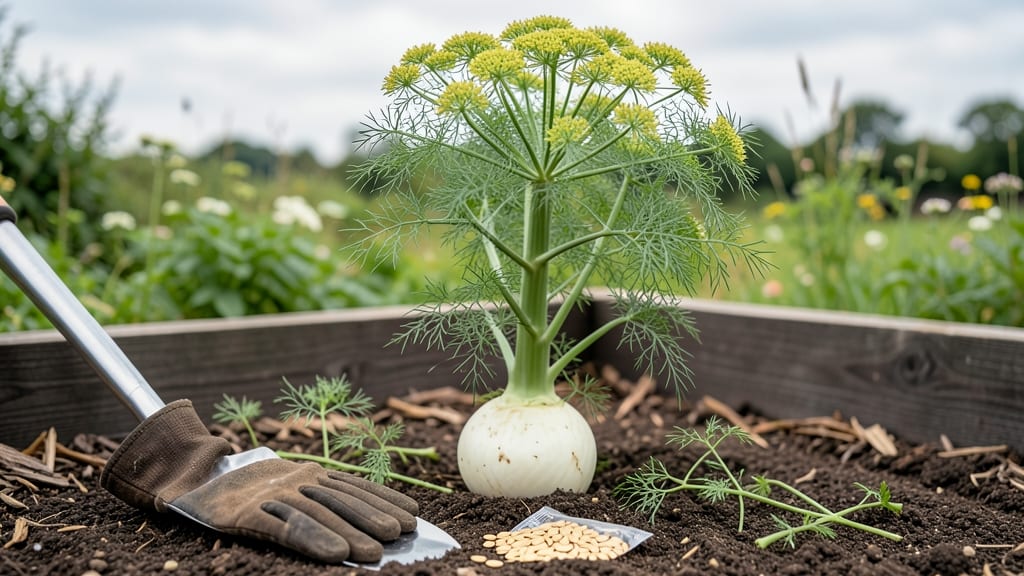
To plant fennel in vegetable gardens, choose a sunny spot with at least 6-8 hours of direct sunlight daily, well-draining soil with a pH between 6.0 and 7.0, and space plants 12-18 inches apart to prevent overcrowding and ensure optimal growth.
Fennel thrives in bright, open areas where it can soak up sunlight—think of it as the Mediterranean plant it is. 🌞 The right soil mix is just as crucial: sandy loam with compost improves drainage and nutrient uptake, which fennel loves.
I’ve found that adding a handful of aged manure at planting time gives seedlings a strong start, especially in heavier clay soils. This herb is picky about soggy roots, so raised beds or slightly elevated garden spots work wonders if your yard tends to stay damp.
When it comes to spacing, fennel isn’t just fussy—it’s generous. Giving each plant 12-18 inches of room lets those feathery fronds spread without competing for nutrients. Pro tip: if you’re growing fennel for both bulb and seed, leave extra space—seed stalks can reach 5 feet tall!
Pairing fennel with dill or lettuce nearby creates a mutually beneficial neighborhood, while keeping it away from brassicas (like cabbage) prevents stunted growth.
💡 In This Article
- Ideal Sunlight and Soil Conditions for Fennel Growth
- Spacing and Companion Planting Strategies for Fennel
Ideal sunlight and soil conditions for fennel growth
Fennel's love for sunlight isn't just about basking—it's about photosynthesis efficiency. This herb requires 6-8 hours of direct sunlight daily to develop its signature sweet, anise-flavored bulb. Without enough light, the bulb becomes fibrous and bitter, while the leaves grow sparse.
Think of it like a Mediterranean plant: in its native Italy and Greece, fennel thrives under intense summer sun, where temperatures often reach 85-95°F during growing season.
The key is balancing light exposure with adequate moisture; fennel's roots extend 12-18 inches deep, so consistent sunlight helps drive nutrient absorption from the soil's lower layers.
The soil composition works like a filter system for fennel's growth. Sandy loam soil with 10-20% compost creates the perfect balance: it drains excess water quickly (preventing root rot) while retaining enough moisture for the plant's deep roots.
Fennel hates soggy conditions—its roots suffocate in waterlogged soil, leading to yellowing leaves and stunted bulbs. 🌱 A soil pH between 6.0 and 7.0 ensures optimal nutrient availability, particularly nitrogen and phosphorus, which are critical for bulb development.
For reference, garden soil typically tests around 6.5, but clay-heavy soils may need amendments like perlite or coarse sand to improve drainage.
What makes fennel unique is its dual-purpose growth habit. While the bulb develops underground, the feathery foliage grows above, creating a 50:50 energy allocation between root and shoot. This means sunlight not only fuels photosynthesis in leaves but also drives carbohydrate production that gets transported to the bulb.
I've noticed that fennel planted in raised beds with 3-4 inches of compost produces bulbs that are 30% larger than those in unamended garden soil, thanks to improved root zone aeration and microbial activity.
Seasonal timing plays a subtle but crucial role. Fennel sown in early spring (after last frost) or late summer (8-10 weeks before first frost) gets the ideal balance of light and temperature.
Planting too early risks bolting (premature flowering) in cool weather, while late plantings may not mature before cold sets in. The plant's natural growth rhythm mirrors its Mediterranean origins, where it experiences 10-12 hours of daylight during peak growing months—something we can approximate in home gardens through proper timing.
For those with less-than-ideal sunlight, partial shade solutions exist but come with trade-offs. Fennel can tolerate 4-6 hours of direct sun if paired with afternoon shade, but expect 20-30% smaller bulbs and more bitter flavors.
The foliage will also be less dense, making it less attractive for culinary or ornamental use. In shaded conditions, the plant directs more energy toward leaf production at the expense of bulb development—a classic example of how light availability dictates growth priorities in plants.