
Tools
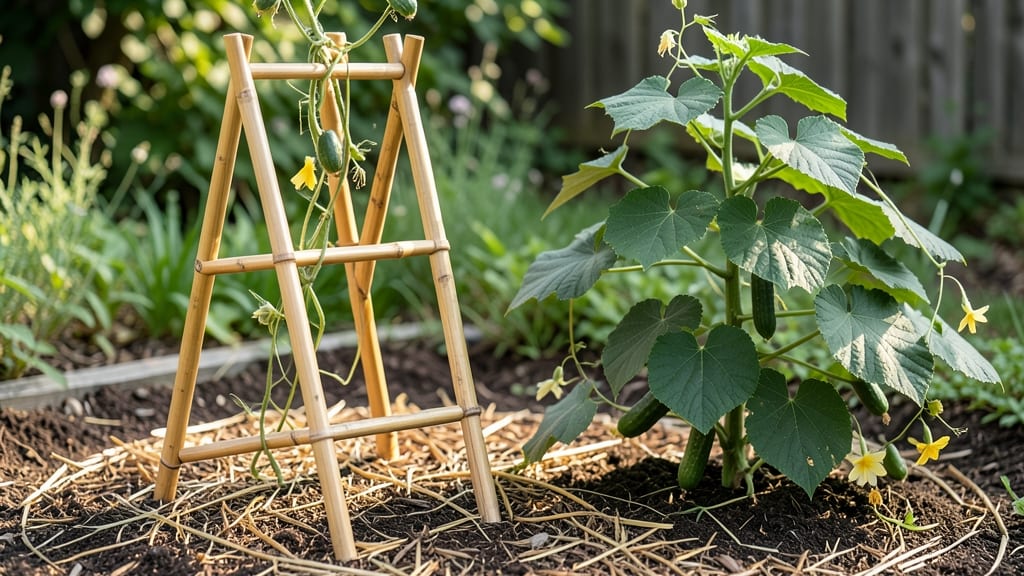
A foldable garden trellis is perfect for small yards because it creates vertical growing space for climbing plants while folding flat for easy storage. Made from lightweight yet sturdy materials like aluminum or bamboo, these trellises offer adjustable heights and modular designs for maximum versatility.
A foldable garden trellis transforms limited spaces by letting you grow vines, flowers, or vegetables upward instead of outward. 🌿 The best designs combine portability with stability—aluminum resists rust and corrosion, while bamboo offers natural aesthetics and eco-friendliness.
I’ve found that modular systems with snap-together sections make setup a breeze, even for beginners. These trellises are ideal for balconies, patios, or urban gardens where space is at a premium.
What sets them apart is their dual functionality: they serve as both a decorative element and a practical tool. For instance, a 6-foot trellis can support heavy climbers like morning glories or pole beans while folding down to fit in a closet.
Many models include built-in stakes or weights to prevent tipping in windy conditions. If you’re working with a tight budget, PVC options provide an affordable alternative without sacrificing durability.
💡 In This Article
- Best Materials for Durable Foldable Trellises
- Step-by-Step Guide to Installing and Storing a Foldable Trellis
Best materials for durable foldable trellises
The choice of material for a foldable garden trellis directly impacts its weight, durability, and ease of use. Aluminum stands out for its lightweight yet sturdy construction, weighing only about 1-2 pounds per 6-foot section while resisting rust and corrosion—ideal for coastal or humid climates.
Its smooth surface also prevents plant damage, unlike rougher materials like untreated wood. 🌟 The trade-off? Higher upfront cost, typically ranging from $30-$80 depending on size and complexity.
Bamboo offers a natural, eco-friendly alternative with a warm aesthetic that blends seamlessly into garden decor. Treated bamboo can last 3-5 years outdoors, though it’s heavier (around 3-5 pounds per 6-foot section) and may require occasional sealing to prevent moisture absorption.
For budget-conscious gardeners, PVC trellises provide a lightweight (1 pound per 6-foot section) and affordable ($15-$40) option, though they lack the visual appeal of metal or bamboo and may fade under prolonged sun exposure.
Composite wood combines the best of both worlds—durability and natural look—with treated wood fibers that resist rot and insects. These trellises weigh 2-4 pounds per 6-foot section and often come pre-assembled, making them a convenient choice for renters who need mobility.
However, their price ($40-$100) and occasional chemical smell during initial use may deter some buyers. The key is matching the material to your specific needs: aluminum for longevity, bamboo for aesthetics, or PVC for portability.
Consider the climate where you’ll use the trellis—aluminum and composite wood excel in wet conditions, while bamboo thrives in dry, temperate zones.
For heavy climbers like jasmine or wisteria, reinforced aluminum or composite frames provide the necessary support without bending. 💫 Many premium models also feature powder-coated finishes that add extra protection against weather elements, extending their lifespan by 20-30% compared to untreated options.
If you’re torn between materials, think about maintenance too. Aluminum requires minimal upkeep beyond occasional wiping, while bamboo demands regular sealing every 1-2 years. PVC, though low-maintenance, may crack under extreme temperature fluctuations.
The right material isn’t just about strength—it’s about balancing durability, ease of care, and how well it fits your garden’s style and climate.
For a real-world example, I’ve used a 6-foot aluminum trellis on my balcony for three years with zero issues—it supports a thriving passionflower vine while folding flat when I need to rearrange the space. The initial investment paid off in both functionality and longevity. 🔥