
Advice
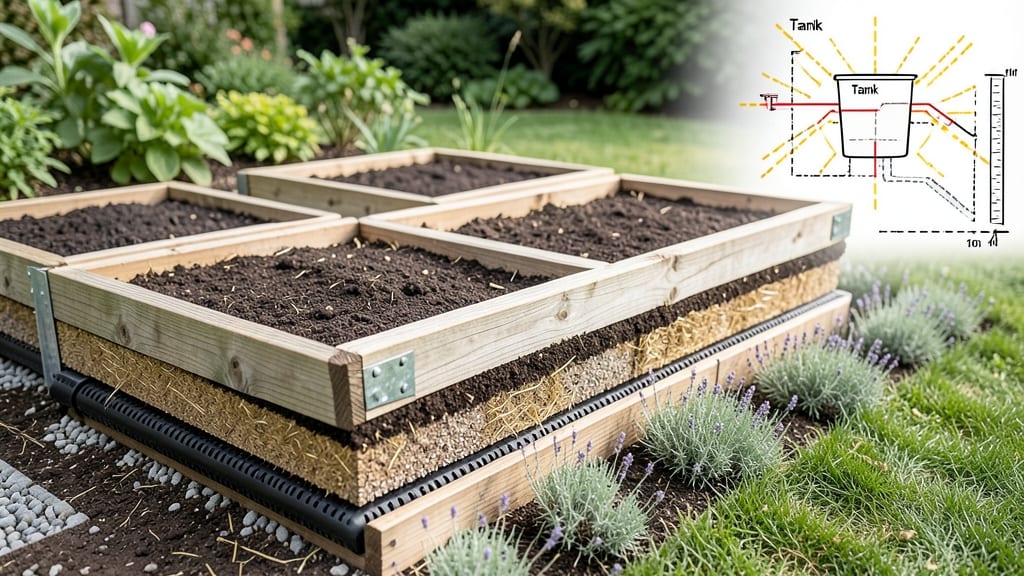
You can put raised garden beds over a septic field only if they’re at least 10–20 feet away from the drainfield and never directly over the tank or pipes. Heavy, water-retentive beds risk contaminating soil or overwhelming the system, while proper spacing and fast-draining soil help mitigate risks.
You can put raised garden beds over a septic field only if they’re positioned with precision—too close, and you risk disrupting drainage or microbial balance in the soil. 🌱 The drainfield relies on precise percolation rates, and heavy garden beds compress the soil or redirect water flow, potentially clogging pipes or creating backup risks.
Even with proper spacing, I recommend using lightweight materials like cedar or composite lumber and incorporating gravel bases to prevent soil compaction. Always check your local septic regulations, as some areas have stricter distance requirements than the standard 10–20 feet.
For additional safety, avoid planting water-intensive crops near the drainfield, as their roots can interfere with pipe function over time. 💧 Instead, opt for lighter soil mixes with perlite or sand to improve drainage.
If your yard is tight on space, consider vertical gardening or container options that keep weight and moisture away from critical septic components entirely.
💡 In This Article
- Septic System Risks from Raised Garden Beds
- Safe Raised Bed Placement for Septic Fields
Septic system risks from raised garden beds
Septic systems rely on a delicate balance of soil, water, and microbial activity to break down waste. When you place raised garden beds too close—especially within 5 feet of the drainfield—the weight can compact the soil, reducing its ability to absorb and filter wastewater efficiently.
This compaction disrupts the natural percolation process, where water slowly drains through soil layers.
The drainfield needs loose, aerated soil to function properly, and heavy beds (especially those filled with wet soil or mulch) can create pockets of pressure that force water to seek alternate paths, potentially clogging pipes or causing backups.
The roots of plants in raised beds also pose a hidden threat. Deep-rooted vegetables like tomatoes or corn can grow toward the drainfield pipes, seeking moisture and nutrients.
Over time, these roots can invade the pipes, reducing their diameter by as much as 30-50%—a critical issue since even a small intrusion can slow or block wastewater flow entirely. 🌿 The microbial communities in the soil, which are essential for breaking down waste, can also be disrupted by excessive moisture or chemical runoff from fertilizers, further compromising the system’s efficiency.
Water management is another critical factor. Raised beds retain moisture differently than native soil, and if they’re not designed with proper drainage, excess water can pool near the drainfield. This saturated soil reduces the oxygen available to the beneficial bacteria that digest waste, slowing down the entire process.
Even a slight increase in moisture content can turn the drainfield into a less effective filter, leading to potential leaks or system failure over time.
Local regulations often reflect these risks, with many areas requiring a minimum distance of 10-20 feet from the drainfield. This buffer zone ensures that the septic system’s critical functions—like percolation and microbial activity—remain undisturbed.
The weight of the bed itself matters too; a 4x8-foot bed filled with soil and plants can weigh over 1,000 pounds, which is enough to compact the underlying soil if placed too close to the drainfield.
For example, a study by the University of Georgia found that soil compaction within 3 feet of a drainfield reduced percolation rates by up to 40%, making the system less effective at treating wastewater.
This is why lightweight materials like cedar or composite lumber are recommended—they minimize soil pressure while still providing sturdy garden beds. 💡 The key is balancing aesthetics, functionality, and septic system health by keeping beds elevated, well-drained, and strategically placed.
If you’re unsure about your septic system’s layout, hire a professional to locate the tank and drainfield before planning your garden. Many septic failures stem from unintentional damage during landscaping or construction, so taking precautions now can save thousands in repairs later.