
Tools
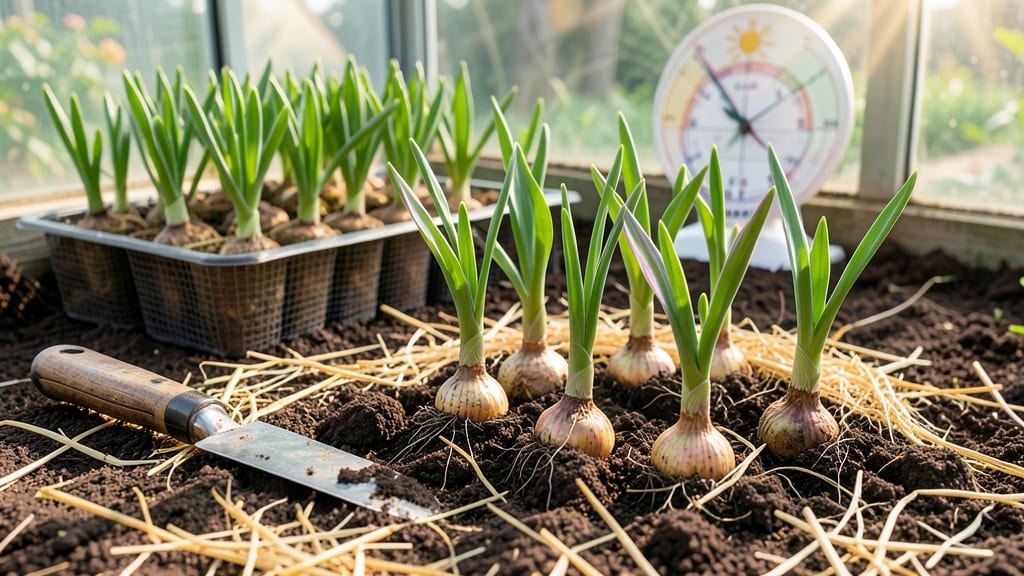
Gardening season starts between mid-February (Zone 8-10) and late March (Zone 3-5), with precise timing determined by your local last frost date and microclimate factors like sun exposure or wind protection. Southern regions often enjoy earlier starts, while northern gardeners may need to wait until after the last average frost—typically around Memorial Day in Zone 4.
Knowing your USDA hardiness zone is just the starting point—actual planting dates shift based on soil warmth and weather patterns. 🌱 For example, Zone 5 gardeners might plant cold-hardy crops like spinach in early April, but tender vegetables like tomatoes need to wait until mid-May when nighttime temperatures consistently stay above 50°F.
Microclimates near buildings or south-facing slopes can create pockets where you can plant 2-4 weeks earlier than official frost dates suggest, so always test your soil temperature with a probe before committing to seedlings.
Pro tip: Use a frost calendar from your local cooperative extension service—they track real-time data and account for unpredictable late frosts that can wipe out young plants overnight.
I’ve learned the hard way that even a 32°F dip in May can devastate early bloomers, so I now cross-reference zone maps with historical frost records for my specific area.
💡 In This Article
- USDA Zone Frost Dates: How Climate Affects Planting Timing
- Microclimate Gardening: How to Plant Earlier in Cold Regions
USDA Zone frost dates: how climate affects planting timing
The USDA Plant Hardiness Zone Map divides North America into 13 zones based on average annual minimum temperatures, but what truly dictates planting windows are last frost dates. These dates mark when nighttime temperatures consistently stay above 32°F—the threshold where most garden plants survive.
For instance, Zone 3 (average lows of -40°F to -30°F) typically sees its last frost around May 15, while Zone 10 (average lows of 30°F to 40°F) may have frost-free conditions as early as February 1 in coastal areas.
Here's where it gets fascinating: the growing season length varies dramatically.
Zone 3's 120-day window forces gardeners to focus on fast-maturing crops like bush beans (50 days) or early potatoes (60 days), while Zone 10's year-round potential allows for successive plantings of tomatoes every 6-8 weeks.
The science behind this lies in photoperiod—shorter days in northern zones trigger earlier dormancy in plants, while southern regions maintain active growth longer. 🌱
Cold snaps can completely disrupt these schedules. A late frost in May (like the infamous "Black Monday" frost of 2013 in the Southeast) can kill tender plants that were planted according to official dates.
This is why experienced gardeners use the 10-year average last frost date rather than relying solely on their zone number.
For example, while Zone 5's average last frost is May 10, some years it occurs as late as June 1, creating a 22-day buffer that determines whether you'll get a tomato harvest that season.
Microclimates create their own frost patterns. A south-facing slope can be 5-10°F warmer than the surrounding area due to direct sunlight, allowing you to plant lettuce 3 weeks earlier than official dates suggest. Conversely, low-lying areas collect cold air and may experience frost 2 weeks later than hilltops.
This is why gardeners in transitional zones (like Zone 6) often divide their garden into sunny, sheltered, and exposed sections, planting heat-sensitive crops only in the warmest microclimates.
Soil temperature plays an equally critical role. While air temperature might reach 50°F by April, the soil may still be 40°F—too cold for warm-season crops like peppers that need 60°F+ soil.
This is why gardeners use soil thermometers: the difference between 50°F air and 60°F soil can mean the difference between a successful transplant and a failed one. In my own garden, I've seen 3-4 week delays in planting tomatoes simply because the soil warmed more slowly than expected.
For precision planning, combine zone data with local historical records. Your county extension office will have decade-specific frost charts that account for regional anomalies. For example, while Zone 7's average last frost is April 15, in the Appalachian Mountains it might be May 1 due to higher elevations.
This level of detail is what separates a 5-bushel tomato harvest from a 2-bushel disappointment—because when it comes to frost dates, the devil truly is in the details. ✨