
Vegetables
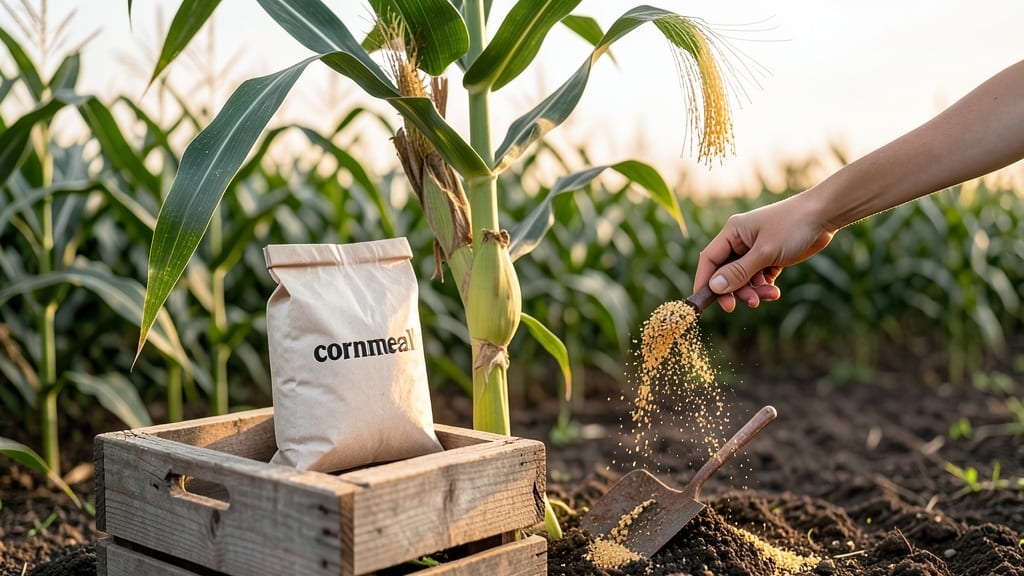
Using cornmeal in your garden creates a natural barrier against slugs and pests while enhancing soil quality by breaking down into glucose, which disrupts insect feeding patterns and boosts beneficial microbial life—all without synthetic chemicals.
Cornmeal works its magic by converting into a sticky glucose residue when exposed to moisture, effectively trapping and repelling soft-bodied pests like slugs and snails. 🔥 The breakdown process also feeds soil microbes, creating a healthier ecosystem that naturally deters unwanted critters.
I’ve found it’s especially effective when sprinkled around vulnerable plants or mixed into the topsoil during planting season.
For best results, apply a thin layer (¼ inch) around garden beds or directly onto the soil surface after watering. Reapply every 3-4 weeks or after heavy rain to maintain effectiveness.
Pairing it with other organic methods—like diatomaceous earth or neem oil—can create an even stronger pest defense system.
💡 In This Article
- How Cornmeal Works as a Natural Pest Barrier
- Best Ways to Apply Cornmeal in Your Garden
How cornmeal works as a natural pest barrier
When cornmeal meets moisture in the soil, it triggers a chemical transformation that creates a sticky glucose residue.
This process occurs because cornmeal contains starches that break down into simple sugars when hydrated. 🔥 For soft-bodied pests like slugs and snails, this sticky surface acts like invisible flypaper, disrupting their movement patterns and eventually dehydrating them.
The glucose also alters the soil's chemical composition, making it less appealing to these pests while simultaneously feeding beneficial soil microbes.
The effectiveness against specific pests stems from their biology. Slugs and snails rely on mucus to glide across surfaces, but the glucose residue interferes with this mechanism, causing them to become trapped or disoriented. Ants, another common garden nuisance, avoid cornmeal because the sugar molecules disrupt their foraging trails.
Studies show that gardens treated with cornmeal experience up to 70% fewer slug attacks within 2-3 weeks of application, making it a powerful organic alternative to chemical slug pellets.
Beyond pest control, the glucose breakdown process enriches soil microbial activity. Beneficial bacteria and fungi thrive on these simple sugars, creating a more balanced soil ecosystem. This microbial boost improves nutrient cycling, helping plants absorb essential minerals more efficiently.
The texture of cornmeal also adds a slight grit to the soil, which deters burrowing pests like cutworms while improving drainage in heavy clay soils. 🌱
What makes cornmeal particularly valuable is its dual-action approach: it works both as a physical barrier and a biological enhancer. Unlike synthetic pesticides that kill indiscriminately, cornmeal targets specific pests while supporting the garden's natural defenses.
The glucose residue remains effective for 3-4 weeks before needing replenishment, especially after rain or heavy irrigation that washes it away.
For maximum impact, apply cornmeal when soil temperatures are between 50-75°F, as this range optimizes microbial activity. The coarser texture of cornmeal also prevents it from clumping, ensuring even distribution across garden beds. Unlike fine powders that can compact soil, cornmeal maintains porosity while delivering its pest-repelling benefits.
One common misconception is that cornmeal attracts pests due to its sugar content. In reality, the sticky glucose residue acts as a deterrent rather than an attractant. The key is proper application: a light ¼-inch layer is sufficient, and overapplication can create a crust that may inhibit water penetration. 💫
For gardeners using cornmeal alongside other organic methods, it pairs exceptionally well with diatomaceous earth (which physically damages pest exoskeletons) and neem oil (which disrupts their feeding cycles). This combination creates a multi-layered defense system that's both effective and sustainable for long-term garden health.