
Tools
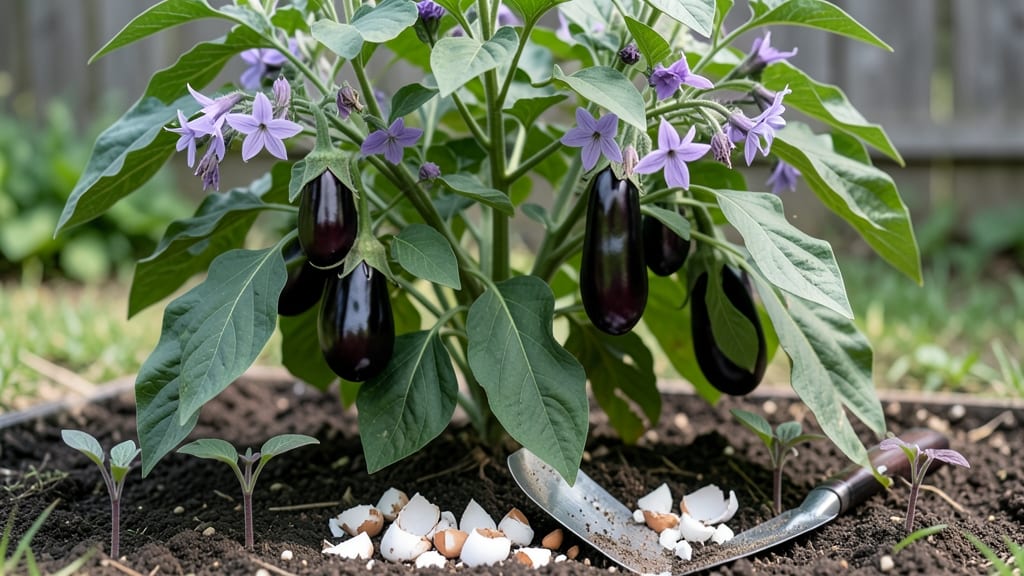
Using egg shells in the garden enhances soil quality by supplying essential minerals like calcium and magnesium while naturally repelling pests such as slugs and snails. For best results, crush them into a fine powder before mixing into compost or placing around plants.
Eggshells are a powerhouse for gardeners because they slowly release calcium—a key nutrient that strengthens plant cell walls and prevents issues like blossom-end rot in tomatoes. 🌱 The sharp edges also create a physical barrier against soft-bodied pests, while the mineral content improves soil pH over time.
I’ve found that baking shells first makes them even more effective at deterring slugs, as the edges become sharper and more abrasive.
Beyond pest control, eggshells act as a natural fertilizer. When crushed and composted, they break down into calcium carbonate, which neutralizes acidic soil and promotes healthier root development.
For an extra boost, I blend them into homemade liquid fertilizer tea—simply steep crushed shells in water for a few days before using. This method works especially well for container gardens where soil nutrients deplete quickly.
💡 In This Article
- How Eggshells Improve Soil Chemistry and Plant Growth
- DIY Eggshell Garden Hacks for Pest Control and Fertilizer
How eggshells improve soil chemistry and plant growth
Eggshells are primarily made of calcium carbonate (about 95%), with trace amounts of magnesium, potassium, and phosphorus—all essential nutrients for plant growth. When crushed and added to soil, the calcium carbonate slowly dissolves, releasing calcium ions that neutralize acidic soil conditions.
This is particularly beneficial for plants like tomatoes and peppers, which are highly sensitive to acidic environments and often suffer from blossom-end rot—a condition caused by calcium deficiency. 🌱 The magnesium content also supports chlorophyll production, giving plants their signature green color and helping them convert sunlight into energy more efficiently.
The slow-release nature of eggshell nutrients makes them ideal for long-term soil enrichment. Unlike synthetic fertilizers that provide an immediate but short-lived nutrient boost, eggshells break down gradually over months, ensuring a steady supply of calcium.
For example, a study by the University of Georgia found that adding crushed eggshells to compost increased calcium availability by up to 30% over a three-month period. The texture of the crushed shells also improves soil aeration, allowing roots to breathe better and reducing compaction.
This dual benefit—nutrient release and structural improvement—makes eggshells a gardeners' secret weapon for creating healthier, more resilient plants.
One of the most noticeable effects of eggshell fertilization is stronger cell wall development in plants. Calcium is a critical component of plant cell walls, particularly in the middle lamella—the "glue" that holds cells together.
When plants have adequate calcium, their cell walls become more rigid, reducing the risk of diseases like bacterial soft rot and improving overall structural integrity.
For instance, tomato plants grown in soil amended with eggshells show fewer instances of blossom-end rot and exhibit thicker stems, which can better support heavy fruit loads. The magnesium in eggshells also activates enzymes that play a key role in photosynthesis, further enhancing plant vitality.
To maximize these benefits, it's essential to prepare eggshells properly. Start by cleaning and drying the shells thoroughly to remove any residual egg white or yolk, which can attract pests.
Then, crush them into a fine powder using a mortar and pestle or a clean coffee grinder—aim for particles smaller than 1/8 inch to ensure they break down quickly.
For even faster results, bake the shells at 200°F for 10-15 minutes before crushing; this process removes organic matter and creates sharper edges, which is particularly useful for pest deterrence. Mix the powder into the top 2-3 inches of soil or blend it into compost for a gradual nutrient release.
Another advantage of eggshells is their ability to improve soil pH over time. Many garden soils, especially in regions with acidic rainfall, become too acidic for optimal plant growth. Eggshells act as a natural liming agent, gradually raising the pH to a more neutral range (around 6.0-7.0).
This is especially helpful for acid-loving plants like blueberries, which require slightly acidic soil, but can also benefit other vegetables by reducing nutrient lockout—where acidic conditions prevent plants from absorbing essential minerals like phosphorus and iron.
The slow pH adjustment ensures that plants don’t experience sudden shifts that could stress their root systems.
For container gardens, where soil nutrients deplete more quickly, eggshells are a game-changer. Since potting mixes often lack the calcium found in garden soil, adding crushed eggshells every few months can prevent nutrient deficiencies in potted plants.
I’ve seen firsthand how marigolds and basil thrive in containers when eggshells are incorporated—their leaves stay vibrant, and they produce more flowers and herbs. The key is to reapply eggshells every 3-4 months to maintain consistent nutrient levels, especially in high-yield containers where plants consume nutrients faster.