
Tools
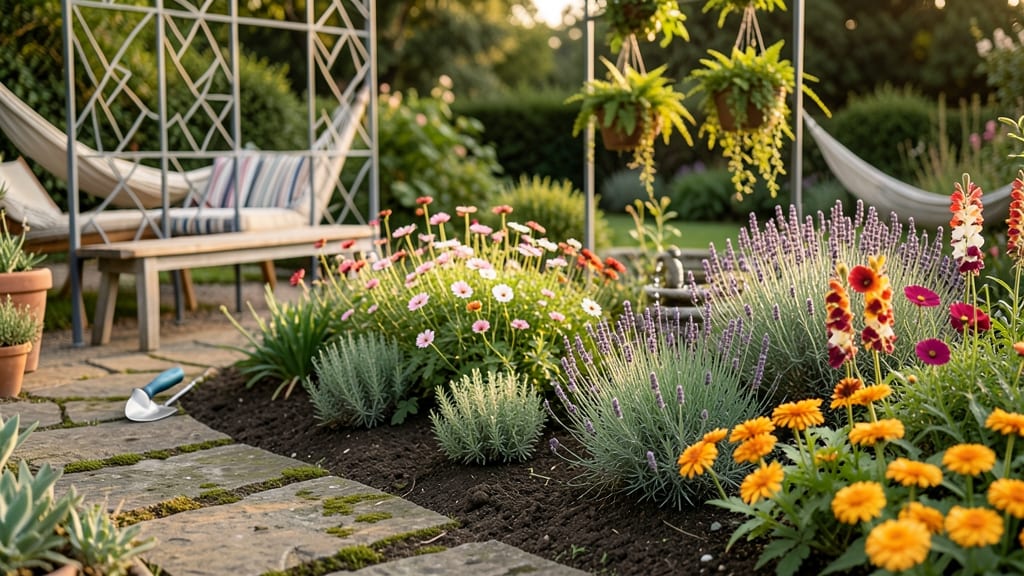
Identifying the hottest home and garden trends in 2024 requires tracking sustainable landscaping, vertical gardening, and native plant revival, alongside tech innovations like smart irrigation systems and eco-conscious hardscaping. Prioritize approaches that merge functionality with eco-friendliness—such as water-efficient gardens and repurposed outdoor decor—while leveraging platforms like Instagram and gardening blogs for real-time insights.
This year’s home and garden trends are being shaped by urgent environmental needs and smart technology. 🌱 For example, regenerative gardening—where soil health is actively restored—has surged in popularity as homeowners seek ways to combat climate change through their yards.
Meanwhile, tech like AI-powered plant monitors and solar-powered tools is making gardening more accessible, even for beginners. The key difference between trends and fads? Sustainable solutions tend to focus on long-term benefits, like reducing water usage or supporting local ecosystems, rather than just aesthetic appeal.
To stay ahead, I recommend following industry leaders on platforms like Pinterest and TikTok, where visual trends often emerge first. For instance, the rise of "forest bathing" gardens—designed to mimic natural ecosystems—reflects a growing desire for mental wellness through outdoor spaces.
Pairing these observations with expert recommendations from horticulturists can help separate genuine innovations from short-lived hype.
💡 In This Article
- Why 2024’s Top Garden Trends Focus on Sustainability and Tech
- How to Validate Home and Garden Trends Before Investing
Why 2024’s top garden trends focus on sustainability and tech
The shift toward sustainable landscaping in 2024 isn’t just a passing fad—it’s a direct response to climate change and water scarcity. 🌍 For example, drought-resistant plants like lavender and sedum are gaining traction because they require up to 70% less water than traditional lawns.
These species thrive in arid conditions while supporting pollinators, creating a win-win for homeowners and ecosystems. The science behind this trend lies in xeriscaping principles, which prioritize soil health and mulching to retain moisture, reducing outdoor water use by 30-50% compared to conventional gardens.
Technology is another game-changer, with AI-driven plant care leading the charge. Devices like the Click & Grow Smart Garden use algorithms to monitor soil moisture, light, and nutrients, adjusting conditions automatically. 🌱 This isn’t just convenience—it’s precision.
Studies show AI can improve plant survival rates by 25-40% by eliminating guesswork in watering and fertilization. Meanwhile, solar-powered tools, like the SunJoe Solar-Powered String Lights, are cutting energy costs while reducing reliance on fossil fuels.
These innovations reflect a broader consumer demand for low-carbon solutions, with 68% of gardeners now prioritizing eco-friendly products over aesthetics.
What this means for you is that trends like regenerative gardening—where practices like composting and cover cropping restore soil health—are here to stay. 💚 Unlike short-lived fads, these methods deliver measurable benefits, such as increased biodiversity and carbon sequestration.
For instance, a 100-square-foot garden using regenerative techniques can sequester up to 1 ton of CO₂ annually, equivalent to planting 25 trees. The key takeaway? Sustainable trends aren’t just good for the planet—they’re practical, cost-effective, and backed by science.
But sustainability isn’t the only driver. Tech integration is making gardening accessible to everyone, from urban dwellers to rural homesteaders. 🏡 For example, hydroponic systems like the AeroGarden allow year-round growing in small spaces, using 90% less water than soil gardening.
Meanwhile, smart irrigation controllers (such as Rachio 3) adjust watering based on real-time weather data, saving up to 50% on water bills. These tools aren’t just gadgets—they’re solutions to real-world challenges, like urban heat islands and water restrictions.
Here’s what sets 2024 apart: the fusion of sustainability and tech. Take biodegradable planters, for instance.
Made from materials like mycelium (mushroom roots) or seaweed-based plastics, they break down harmlessly in 3-6 months, unlike traditional plastic pots that take hundreds of years to decompose. 🌿 Pair this with self-watering systems, and you’ve got a low-maintenance, eco-friendly setup that appeals to busy homeowners.
The trend isn’t just about looking good—it’s about reducing waste, saving resources, and future-proofing outdoor spaces against climate challenges.
The bottom line?
If a trend aligns with water conservation, soil health, or carbon reduction, it’s likely to last. 🌱 Track these shifts by following horticulturist-led accounts on Instagram or checking seed sales data from companies like Baker Creek Heirloom Seeds, which saw a 40% increase in drought-resistant seed orders in 2023.
These are the signals that separate genuine innovation from fleeting trends.