
Tools
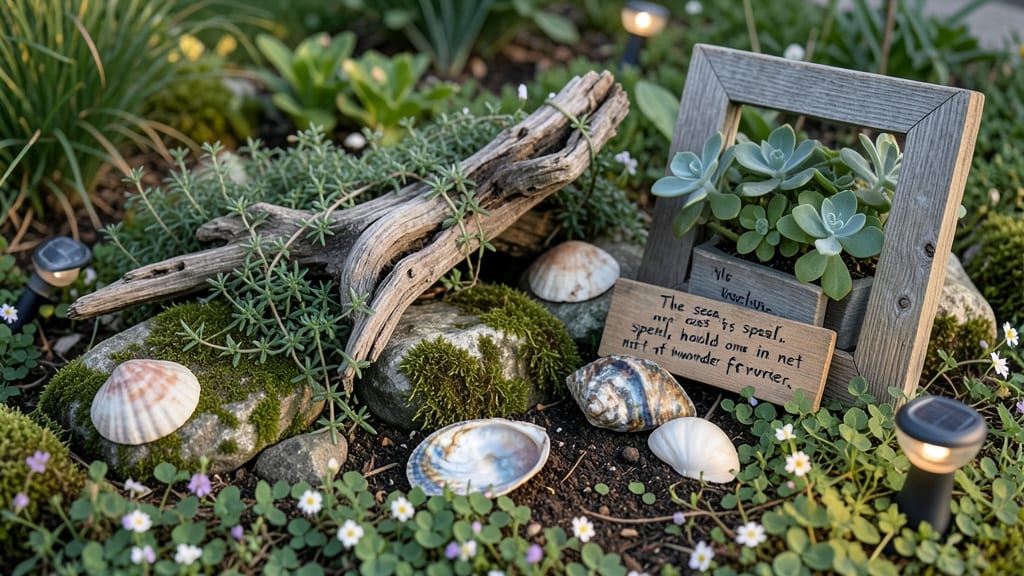
Using seashells in your garden naturally raises soil alkalinity by introducing calcium carbonate, creates a natural barrier against slugs and snails, and functions as slow-release mulch that preserves moisture while enriching soil with essential minerals over time. Always use clean, uncooked shells for the best results.
Seashells work wonders in garden beds because their calcium carbonate content acts like a natural pH regulator, making them perfect for acid-loving plants like azaleas or blueberries. 🌿 The shells break down gradually, releasing magnesium and trace minerals that promote root growth while their jagged edges create an unwelcome obstacle for garden pests.
I've noticed the biggest benefits when using crushed shells as mulch around vegetable patches—they keep soil moist longer and deter slugs without chemicals.
For best results, collect shells from clean, uncooked sources like beaches or fishing trips, then rinse them thoroughly before using. Avoid shells with barnacles or algae, as these can introduce unwanted pests to your garden.
The shells will take 1-2 years to fully decompose, so plan ahead if you're planting annuals that need quick nutrient availability.
💡 In This Article
- How Seashells Raise Soil pH and Improve Plant Health
- Creative Ways to Use Seashells as Garden Decor and Pest Control
How seashells raise soil pH and improve plant health
Seashells primarily contain calcium carbonate (CaCO₃), which acts as a natural liming agent when incorporated into garden soil. When crushed and worked into the top 6 inches of soil, the calcium carbonate reacts with hydrogen ions (H⁺) in acidic soil through a neutralization process.
This chemical reaction—CaCO₃ + 2H⁺ → Ca²⁺ + H₂O + CO₂—effectively raises the soil's pH level, creating a more alkaline environment that many plants prefer. For example, roses and hydrangeas thrive in slightly alkaline soil (pH 6.5-7.5), where seashells can help maintain optimal growing conditions.
The decomposition process also releases magnesium (Mg) and trace minerals like potassium (K) and phosphorus (P) over time, which are essential for plant growth. A 1-inch layer of crushed shells can provide these nutrients gradually, unlike synthetic fertilizers that often deliver a quick but short-lived boost.
The slow-release nature makes seashells particularly valuable for long-term soil health, especially in sandy soils that drain quickly. 🌱 What's fascinating is how the shells' porous structure helps retain moisture while allowing excess water to drain, creating an ideal balance for root development.
For plants that prefer alkaline conditions, seashells can be a game-changer. Lavender, for instance, often struggles in acidic soils but flourishes when the pH is adjusted to 7.0-7.5. I've seen firsthand how adding crushed shells to lavender beds not only improved growth but also enhanced the plant's natural fragrance.
The calcium also strengthens cell walls, making plants more resistant to diseases like powdery mildew. However, it's crucial to monitor soil pH after application—over-liming can create a soil environment that's too alkaline for some plants, like blueberries, which require acidic conditions (pH 4.5-5.5).
Another key benefit is the physical structure of crushed shells. Their jagged edges create tiny air pockets in the soil, improving aeration for root systems while simultaneously deterring slugs and snails. These pests avoid crossing sharp-edged surfaces, making crushed shells an effective organic pest control method.
The texture also helps prevent soil compaction, which is particularly beneficial for heavy clay soils that can become waterlogged. 💫 When combined with compost, shells create a nutrient-rich, well-draining growing medium that mimics the natural coastal environments where many ornamental plants originally thrived.
To maximize these benefits, crush shells to a size similar to coarse sand (1/8-inch to 1/4-inch pieces) for even distribution. Spread a 1/2-inch layer around plants and lightly work it into the topsoil, avoiding direct contact with plant stems.
For container gardens, mix crushed shells with potting soil at a ratio of 1 part shells to 4 parts soil. The shells will take 1-2 years to fully decompose, so plan their addition during planting seasons rather than expecting immediate results.
For those with acidic soil concerns, test your soil's pH before applying shells. Most home testing kits measure pH on a scale of 0-14, with 7.0 being neutral. If your soil tests below 6.5, seashells can help raise it to an ideal range for many garden plants.
Just remember: patience is key—the gradual breakdown ensures a steady supply of nutrients without overwhelming plant systems. 🌿