
Lawn
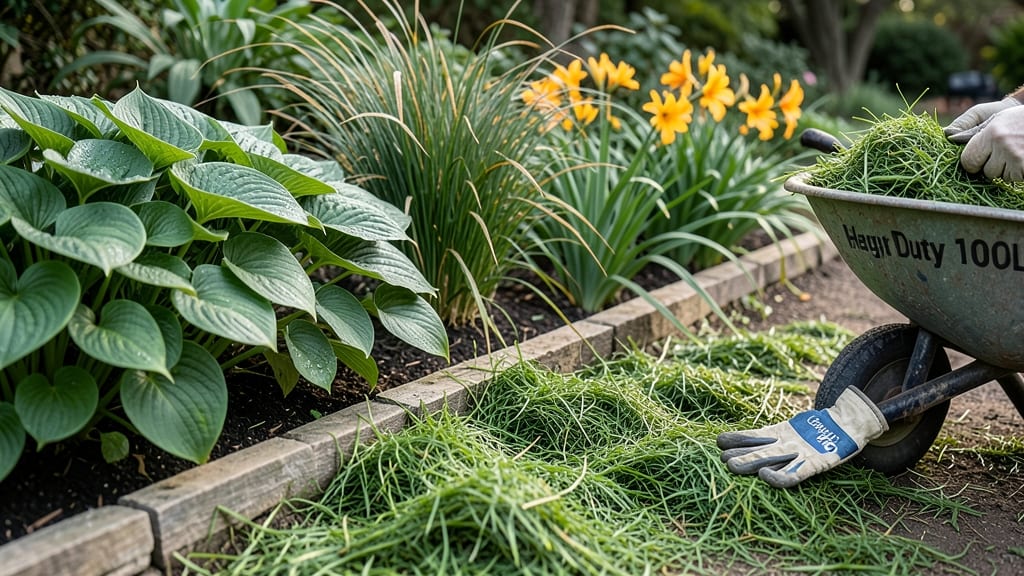
Putting grass clippings in your garden acts as a natural nitrogen fertilizer that boosts plant growth and crowds out weeds, but you must apply them correctly to prevent compaction or fungal issues. Spread thin layers and chop them finely for best results.
Putting grass clippings in your garden breaks down quickly into organic matter, releasing nitrogen as they decompose—this is why they're called "green manure." 🌱 The key is balance: too much creates a thick mat that smothers roots, while thin layers (about ¼-inch) let air and water reach the soil.
I've found that chopping clippings first speeds up decomposition and makes them less likely to clump. For best results, apply them to leafy greens, herbs, or flowering plants that thrive with extra nitrogen.
This method also works wonders for weed control by blocking sunlight from reaching weed seeds. Just remember to avoid using clippings treated with herbicides, as they can harm your garden. The science is simple: nitrogen feeds plants, while the physical layer suppresses weeds—nature's two-for-one deal!
💡 In This Article
- How Grass Clippings Act as Natural Fertilizer
- Best Practices for Using Grass Clippings in Garden Beds
How grass clippings act as natural fertilizer
Grass clippings are packed with nitrogen because they're primarily made up of proteins and chlorophyll, which break down into ammonia and nitrates when decomposed. This process, called mineralization, releases nitrogen in forms plants can easily absorb, like ammonium (NH₄⁺) and nitrate (NO₃⁻).
A single pound of dry grass clippings contains about 1-2% nitrogen by weight—enough to give your garden a noticeable boost without the harsh chemicals of synthetic fertilizers. 🌱 The breakdown happens fastest when clippings are finely chopped, as smaller pieces expose more surface area to soil microbes.
Beyond nitrogen, grass clippings improve soil structure by adding organic matter that enhances water retention and aeration. Unlike compost—which requires balanced carbon-to-nitrogen ratios—clippings are high in nitrogen but low in carbon, making them ideal for "top-dressing" rather than composting.
When spread thinly, they create a protective layer that retains moisture (up to 30% more than bare soil) while blocking weed seeds from sunlight—a double benefit for your garden's health.
The weed-suppression effect comes from the physical barrier clippings create. A ¼-inch layer reduces light penetration by about 70-80%, starving weed seeds before they germinate. This is especially effective in vegetable beds where weeds compete for nutrients.
However, the nitrogen release isn't instant—it takes 2-4 weeks for clippings to fully decompose, so they work best as a slow-release fertilizer rather than a quick fix.
One common misconception is that grass clippings are the same as mulch. While they do suppress weeds, they lack the carbon-rich structure of wood chips or straw, which makes them better suited for nitrogen-loving plants like lettuce or basil.
For comparison, a 1-inch layer of clippings provides roughly the same nitrogen as ½ pound of blood meal fertilizer—but without the risk of over-fertilization if applied correctly.
To maximize benefits, pair clippings with other organic materials. For example, mixing them with ½-inch wood chips balances the carbon-to-nitrogen ratio, creating a mini-compost layer that improves soil over time.
The key is variety: clippings alone can become too acidic (pH 6.0-6.5) if overused, so rotate them with other mulches like straw or leaves for long-term soil health. 🌿
What most gardeners overlook is the role of soil microbes. The decomposition process requires bacteria and fungi to convert grass proteins into plant-available nutrients.
Adding a sprinkle of compost or worm castings (¼ cup per 10 sq ft) can jumpstart this process, especially in cooler climates where microbial activity slows down. This microbial boost turns clippings from a simple mulch into a dynamic soil enhancer.