
Vegetables
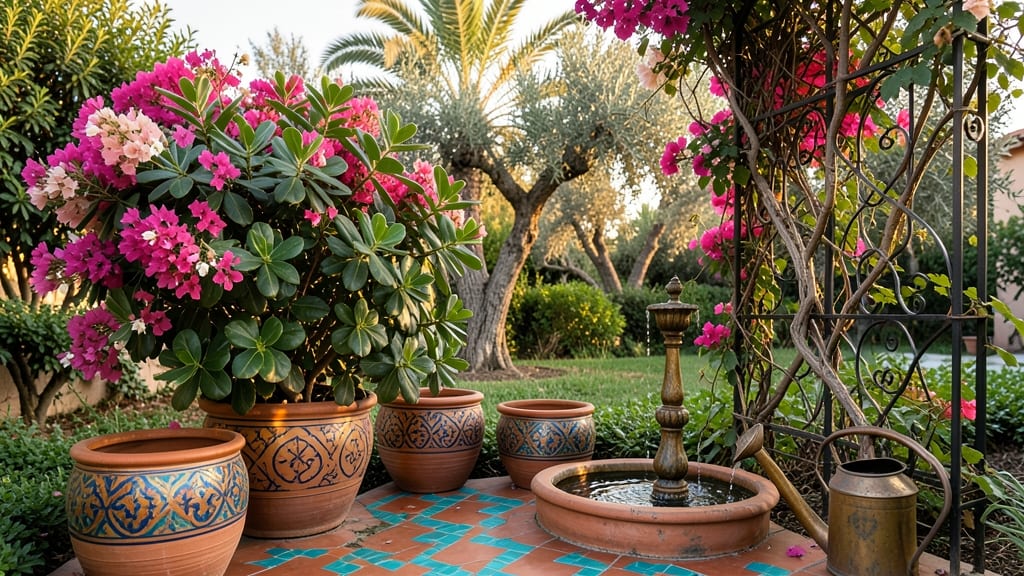
The Gardens of Marrakech blend Moroccan Islamic geometry with native plants like argan trees and bougainvillea, crafting tranquil escapes from the city's chaos. Their water channels and shaded courtyards showcase centuries of Berber horticultural expertise and climate-smart landscaping.
The Gardens of Marrakech aren't just green spaces—they're living examples of how culture and nature merge. 🌿 These gardens use symmetrical layouts and water features to create peaceful retreats, while their plant choices (like drought-resistant cacti and fragrant jasmine) prove how to thrive in Morocco's dry climate.
Many of these hidden gems, such as the Majorelle Garden, also serve as conservation areas for native flora, making them both beautiful and ecologically important.
What makes these gardens special is their ability to balance tradition and practicality. The use of geometric patterns isn't just decorative—it reflects Islamic principles of harmony and infinity. Meanwhile, the plants selected aren't just ornamental; they're chosen for their resilience and ability to support local ecosystems.
Whether you're visiting for the artistry or the serenity, these gardens offer a deeper connection to Morocco's history and environment.
💡 In This Article
- Marrakech Garden Design Principles: Water, Symmetry, and Sacred Geometry
- Top Hidden Marrakech Gardens to Visit and Their Signature Plants
Marrakech garden design principles: water, symmetry, and sacred geometry
The gardens of Marrakech are masterpieces of functional artistry, where every element serves both aesthetic and practical purposes. At their core, these spaces embody the Islamic concept of al-fanna—the idea that geometric patterns reflect the infinite nature of God.
The most iconic feature is the symmetrical layout, often centered around a rectangular pool (qanat) that mirrors the sky and creates a sense of balance.
This design isn't just visually pleasing; it's a deliberate spiritual practice, as symmetry in Islamic tradition symbolizes harmony and order in a chaotic world.
Water plays a crucial role in these gardens, both as a design element and a survival tool. The qanat systems, which date back to Berber engineering, bring water from underground sources to the surface, creating lush oases in an otherwise arid climate.
These channels aren't just decorative—they're essential for cooling the air and supporting drought-resistant plants like bougainvillea (which thrives with minimal water) and argan trees (whose deep roots access groundwater).
The sound of flowing water, combined with the scent of jasmine and rose bushes, creates a sensory experience that soothes the mind—a deliberate contrast to the bustling medinas.
The role of riads (traditional Moroccan houses with central courtyards) and dar el-baida (whitewashed houses) in shaping these gardens is often overlooked. Many private gardens were designed as extensions of these spaces, with white walls reflecting sunlight to keep interiors cool while creating shaded pathways.
The use of white marble and mosaic tiles in pathways isn't just decorative—it helps regulate temperature and reduces water evaporation. This thoughtful design ensures that even in the scorching 100°F+ summers, these gardens remain inviting and functional.
What makes these gardens truly remarkable is how they adapt to Morocco's semi-arid climate. The plants selected aren't just ornamental; they're chosen for their resilience. For example, cacti (like those in Majorelle Garden) store water in their stems, while olive trees (common in Menara Gardens) require little irrigation.
The combination of shaded courtyards, windbreaks, and water features creates microclimates that support biodiversity while conserving resources—a lesson in sustainable landscaping that's still relevant today.
One lesser-known aspect is how these gardens incorporate four seasons of color. In spring, roses and hibiscus bloom vibrantly, while summer brings bougainvillea in shades of pink and purple. Autumn features pomegranates and figs, and winter offers evergreens and citrus trees.
This seasonal rotation isn't accidental; it's a deliberate choice to maintain visual interest year-round while supporting pollinators and local ecosystems. The result is a living tapestry that evolves with the climate and calendar.
For visitors, understanding these principles transforms a simple walk from a leisure activity into an educational experience.
The next time you see a geometric fountain or a symmetrical pathway, you'll recognize it as more than decoration—it's a testament to centuries of cultural wisdom about harmony, resilience, and the beauty of simplicity. 💫