
Vegetables
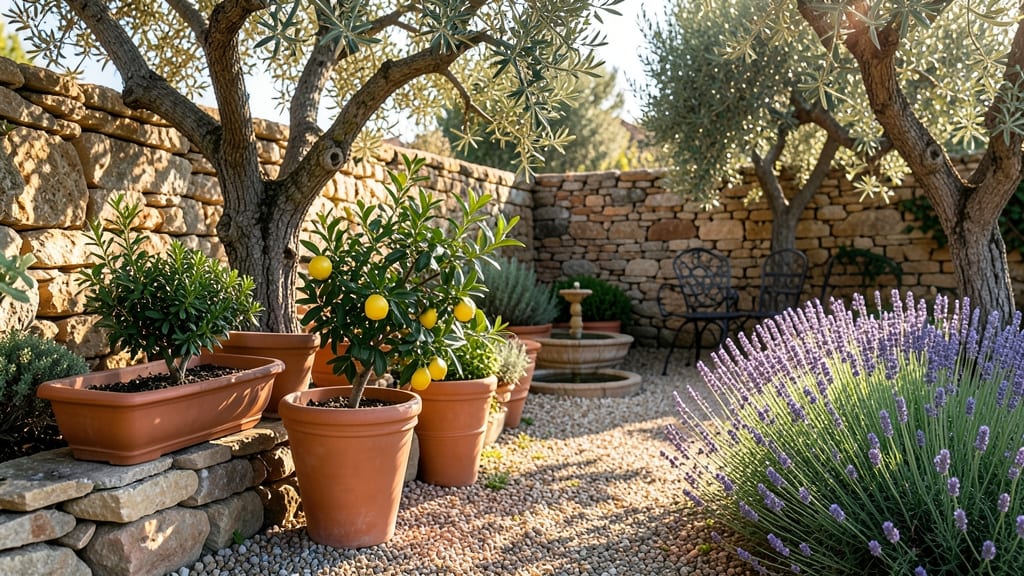
Exploring gardens in Barcelona reveals hidden urban oases like Jardins de Joan Brossa, a playful mix of Mediterranean flora and avant-garde art, and Jardins del Pedral, a coastal retreat showcasing rare succulents against dramatic cliffs. These green spaces perfectly blend Barcelona’s natural beauty with creative expression, making them must-visit spots for nature enthusiasts and photographers.
Barcelona’s gardens stand out for their ability to merge ecological diversity with artistic flair. 🌿 The city’s Mediterranean climate creates ideal conditions for drought-resistant plants like lavender and rosemary, while its green belt preserves native species against urban development.
What makes these spaces truly special is how they transform ordinary landscapes into immersive experiences—whether through whimsical sculptures or cliffside botanical displays. For the best experience, visit in spring to catch the vibrant jacaranda blooms or autumn’s fiery bougainvillea colors, and always check for lesser-known entrances to avoid crowds.
These gardens aren’t just pretty—they’re living proof of Barcelona’s commitment to sustainability and creativity. The way they integrate art with nature creates a unique atmosphere you won’t find in typical city parks. Whether you’re chasing rare plants or stunning photo ops, these green escapes deliver something extraordinary. 💫
💡 In This Article
- Barcelona’s Unique Botanical Diversity in Urban Gardens
- How to Plan Your Barcelona Garden Tour Like a Local
Barcelona’s unique botanical diversity in urban gardens
Barcelona’s gardens thrive because of the city’s Mediterranean climate, which creates perfect conditions for drought-resistant plants like lavender and rosemary. These species have adapted to the region’s hot, dry summers and mild winters by developing deep root systems that store water efficiently.
For example, the Jardins de Mossèn Costa i Llobera on the island of Majorca—though technically outside Barcelona—showcases over 2,000 plant species, many of which are Mediterranean natives that require minimal irrigation once established. 🌿
The city’s green belt, a network of protected green spaces surrounding urban areas, plays a crucial role in preserving native flora while allowing urban expansion. This system creates a buffer that maintains ecological balance, preventing soil erosion and supporting local biodiversity.
Coastal gardens like Jardins del Pedral benefit from a maritime microclimate, where humidity levels remain higher and temperatures are moderated by the sea, enabling the growth of rare cacti and succulents that wouldn’t survive inland.
In contrast, inland gardens like Jardins de Joan Brossa face more extreme temperature swings but still flourish thanks to carefully selected species.
What makes Barcelona’s gardens stand out is their ecological role in the city. Many of these spaces serve as urban heat islands, where vegetation helps regulate temperatures by providing shade and releasing moisture through transpiration.
For instance, a single mature holm oak tree can reduce ambient temperatures by up to 5°C (9°F) in its immediate vicinity. This natural cooling effect is especially valuable in a city where concrete and asphalt dominate.
Additionally, these gardens act as carbon sinks, absorbing up to 20 tons of CO₂ per hectare annually, which helps offset Barcelona’s urban emissions.
Another fascinating aspect is how these gardens adapt to microclimates. Coastal areas like Jardins del Pedral experience higher humidity and salt spray, which is why you’ll find salt-tolerant species like sea lavender thriving there.
Meanwhile, inland gardens like Jardins de Can Mercader focus on Mediterranean shrubs that can withstand drought conditions and poor soil quality. The contrast between these environments creates a rich tapestry of plant life that showcases the region’s biodiversity in a single city. 🌍
Barcelona’s approach to urban gardening also highlights its commitment to sustainability. Many gardens use drip irrigation systems and rainwater harvesting to minimize water waste, while native plant species reduce the need for pesticides.
For example, the Jardins de Joan Brossa features a solar-powered fountain that doubles as a water feature and an educational tool about sustainable practices. This blend of ecology and innovation is what makes Barcelona’s gardens not just beautiful, but also models for urban green spaces worldwide.
If you’re planning a visit, timing is everything. Spring (March to May) is the best time to see jacaranda trees in full bloom, their purple flowers creating a stunning canopy over pathways.
Autumn (September to November) offers a different spectacle, with bougainvillea displaying vibrant pink and orange hues as the temperatures cool. These seasonal changes make each visit a unique experience, proving that Barcelona’s gardens are as dynamic as they are diverse. 🌸