I’ve always found solace in the dirt—whether it was sneaking tomatoes from my neighbor’s garden as a kid or helping my grandpa coax life out of stubborn seeds. This site is where I share the lessons I’ve learned from both successes and spectacular failures. My goal? To make gardening feel less like a chore and more like a conversation with the earth.
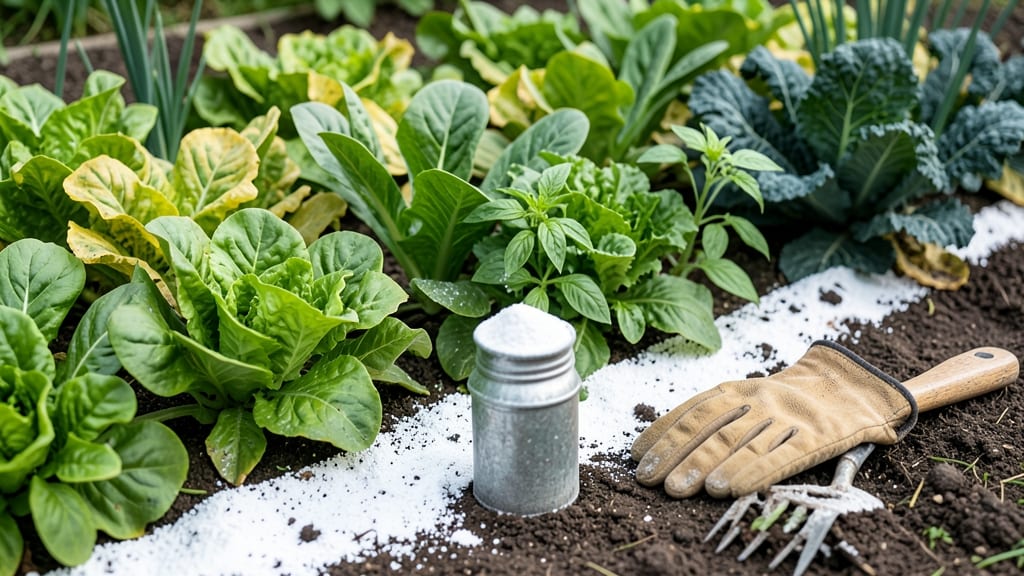
💥 Quick Answer Diatomaceous earth in garden beds works by dehydrating pests like slugs, ants, and beetles through microscopic particles that damage their exoskeletons, while also enhancing soil aeration and microbial…
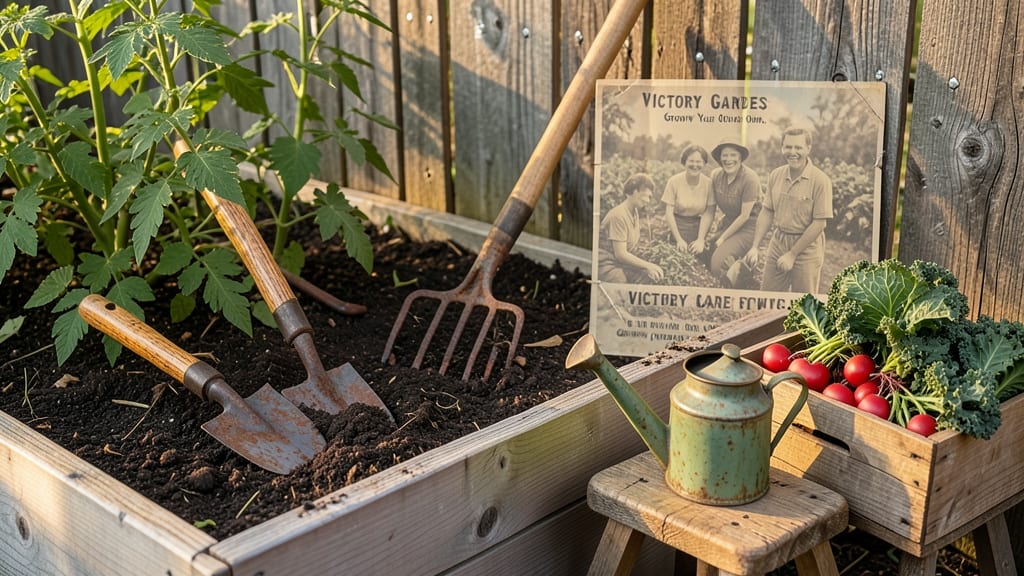
💥 Quick Answer The history of victory gardens spans wartime food shortages and modern sustainability movements, with their WWII peak producing 40% of U.S. vegetables through civilian-grown plots. These gardens…
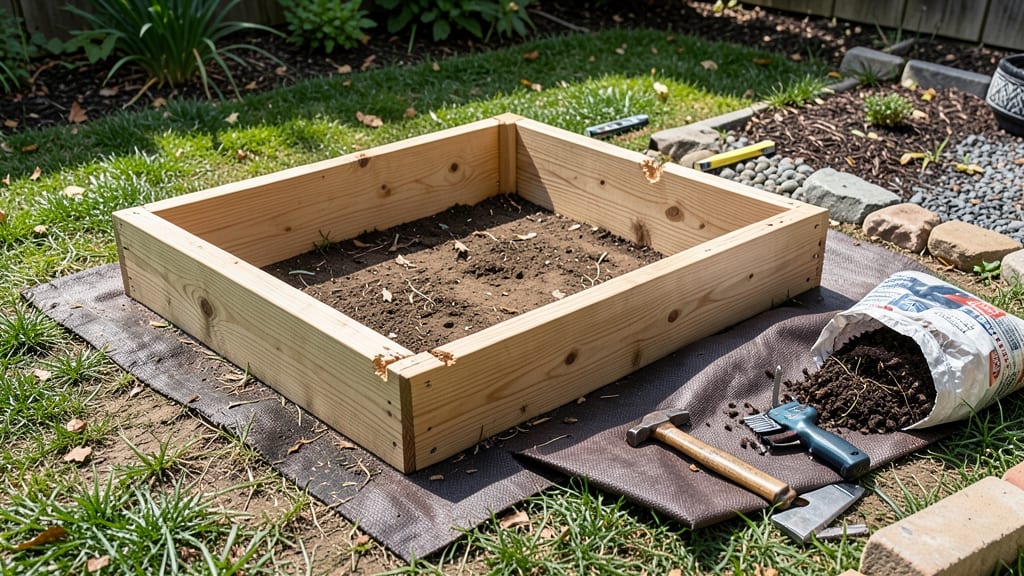
💥 Quick Answer To make a cheap raised garden, use untreated wood scraps or cinder blocks for borders, line the base with cardboard, and fill with a mix of topsoil, compost, and straw. This method cuts costs while…
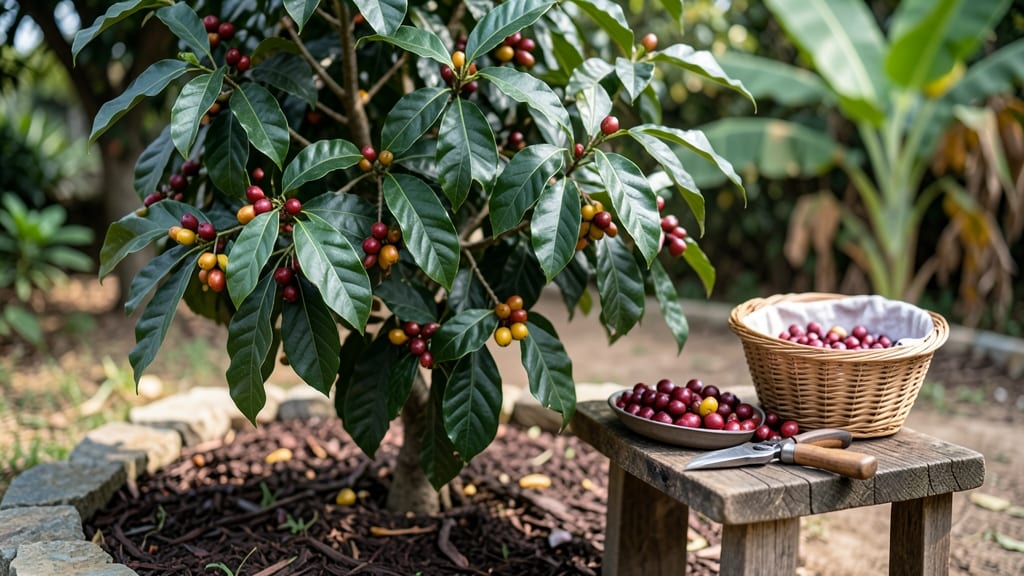
💥 Quick Answer The Coffee Garden menu offers seasonal dishes crafted around botanical ingredients, featuring vibrant salads, aromatic herb teas, and floral desserts like lavender shortbread. Prices start at $8 for small…
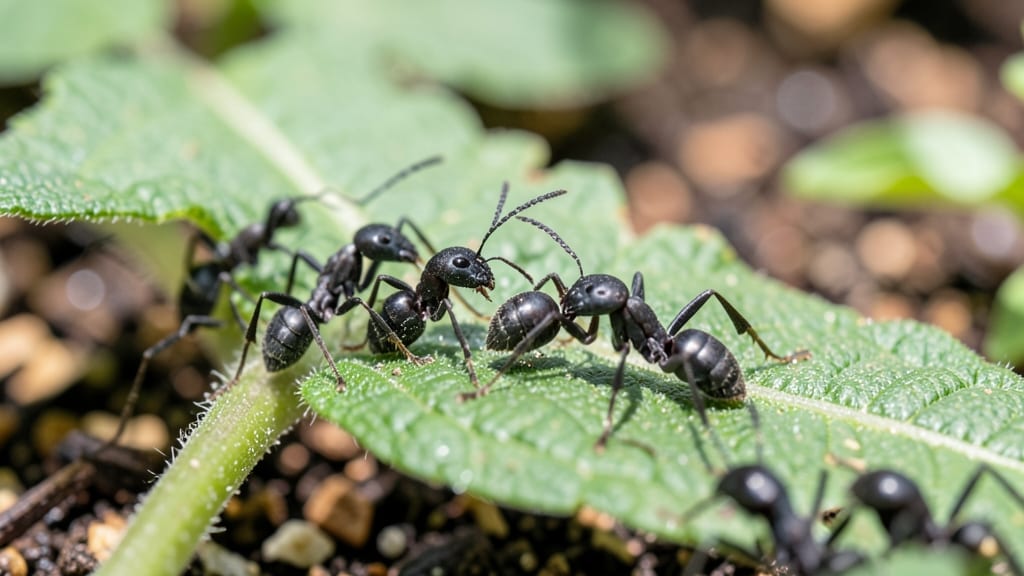
💥 Quick Answer Ants are actually beneficial to a garden because they aerate soil, spread seeds, and naturally regulate pests by hunting harmful insects like aphids and caterpillars, all while enriching plant growth…
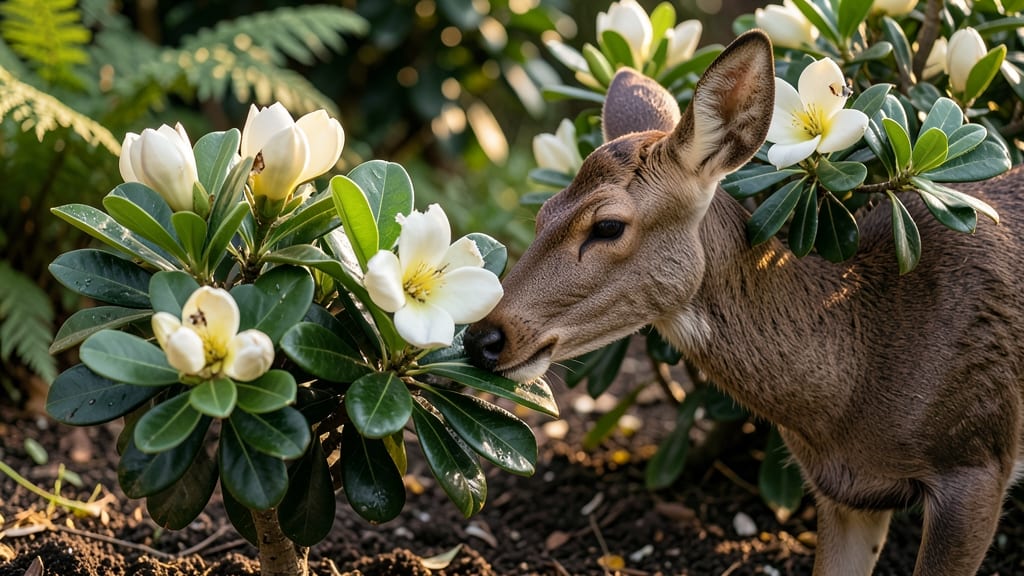
💥 Quick Answer Do deer eat gardenia bushes? Deer rarely eat gardenia bushes because their thick, leathery leaves and strong fragrance make them unappealing. The plant’s bitter taste and dense foliage further deter…
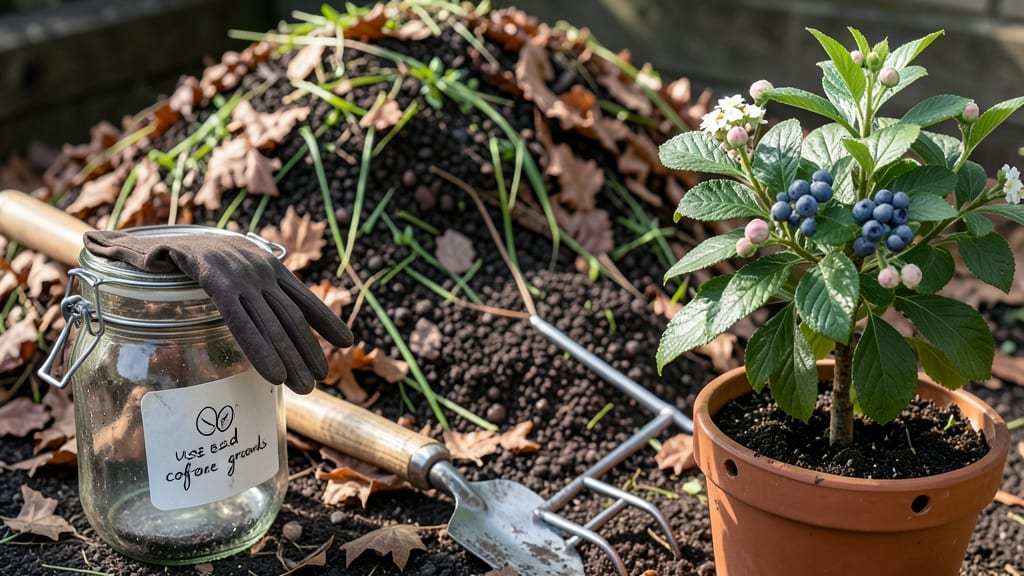
💥 Quick Answer A coffee grounds in the garden fact sheet reveals they acidify soil (lowering pH), boost organic content, and enhance moisture retention—ideal for acid-loving plants like azaleas and blueberries while…
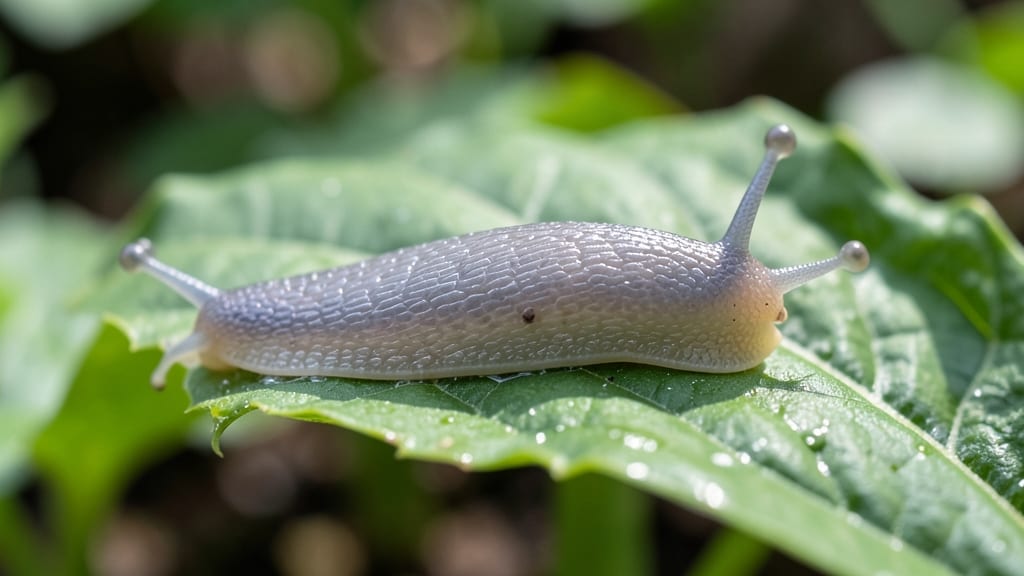
💥 Quick Answer Slugs can be beneficial to gardens in small numbers because they break down organic matter, aerate soil, and create nutrient-rich castings. However, their appetite for living plants usually outweighs…
💥 Quick Answer Adding coffee grounds to garden soil enriches nutrients, improves soil structure, and naturally repels pests like slugs and ants while increasing organic matter for better long-term plant health. Use them…
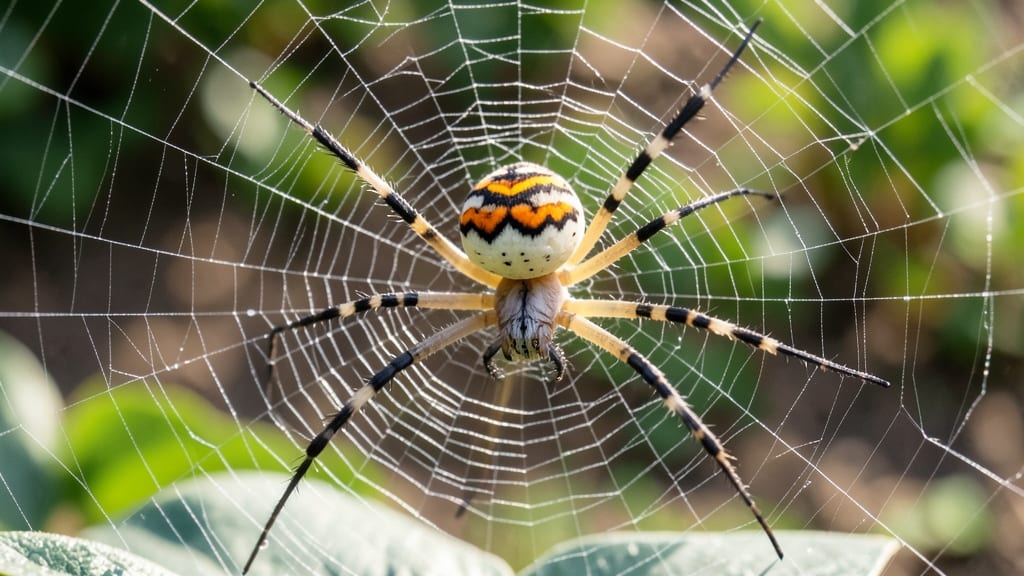
💥 Quick Answer Identifying Georgia garden spiders involves spotting their striking yellow-and-black striped bodies and large orb-shaped webs in warm climates; safely relocate them using a glass-and-paper method or…