
Tools
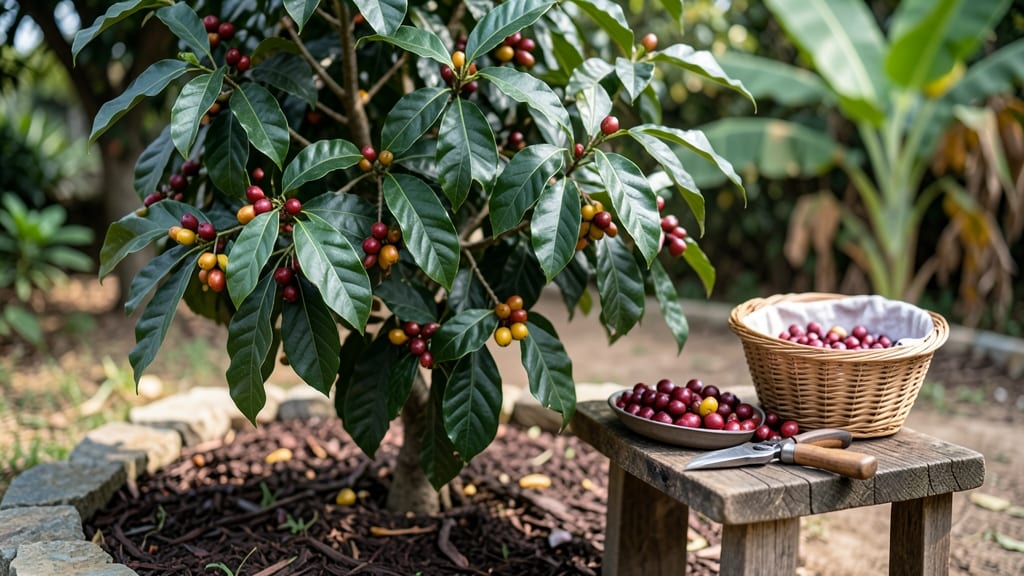
The Coffee Garden menu offers seasonal dishes crafted around botanical ingredients, featuring vibrant salads, aromatic herb teas, and floral desserts like lavender shortbread. Prices start at $8 for small bites and go up to $22 for standout entrees, with new limited-time options appearing every month.
The Coffee Garden's seasonal approach isn't just about aesthetics—it's rooted in plant science. 🌿 Their chefs source ingredients at peak freshness, like rosemary harvested in early spring or edible violets in late summer, which dramatically impacts flavor.
This philosophy extends beyond food to their drink pairings, where herbal infusions complement the dishes perfectly. What makes it special is how each menu rotation tells a story through ingredients you can't find just anywhere.
For visitors, timing matters. The menu changes monthly, so checking their website before your trip reveals what's currently available. Pro tip: The early-morning brunch specials often feature rare botanical ingredients that disappear by afternoon. I always recommend arriving by 11 AM to secure those limited-edition options before they're gone.
💡 In This Article
- Botanical Ingredients Behind Coffee Garden’s Seasonal Menu
- How to Plan a Visit for Maximum Seasonal Menu Access
Botanical ingredients behind Coffee Garden’s seasonal menu
The Coffee Garden’s menu thrives on ingredients like lavender, rosemary, and edible flowers—each chosen for their unique flavors and peak seasonal availability. Lavender, for example, isn’t just for desserts; its floral notes elevate savory dishes when harvested in late summer (August-September).
The plant’s volatile oils—like linalool and linalyl acetate—create that signature aroma, which chefs balance with citrus or honey to prevent overpowering. 🌿
Rosemary’s flavor profile transforms based on harvest timing. Early spring shoots taste milder and sweeter, perfect for delicate salads, while older stems (harvested in late spring) deliver piney intensity ideal for roasted dishes.
The herb’s high 1,8-cineole content (up to 25% in fresh leaves) gives it that distinctive camphor-like kick, which pairs beautifully with fatty foods like duck confit or goat cheese.
Edible flowers add visual drama and subtle flavors—think nasturtiums (peppery kick) or violets (delicate floral sweetness). These aren’t just garnishes; they’re functional. Nasturtium petals, for instance, contain glucosinolates that add a mild radish-like bite, while violets contribute ionone compounds that mimic vanilla’s warmth.
The menu often features these in spring (March-May) when their flavors are most vibrant.
Seasonal rotations aren’t arbitrary—they follow botanical science. Heirloom herbs like French tarragon or lemon balm are prioritized when their essential oil profiles peak. For example, tarragon’s methyl chavicol content (responsible for its anise flavor) is strongest in mid-summer, making it ideal for summer dishes like tarragon-infused vinaigrettes.
What’s fascinating is how these ingredients interact. The lavender shortbread isn’t just sweet—its monoterpenes (like camphor) create a cooling sensation that contrasts with buttery richness. Similarly, rosemary’s pinene compounds enhance umami in plant-based dishes, making them taste more hearty.
This is why the menu’s vegan entrees often feature multiple herbs—they compensate for fat with aromatic complexity.
For home cooks, replicating this means timing your harvests. Harvest herbs in the morning after dew evaporates but before 10 AM when essential oils are most concentrated. Store them in paper towels (not plastic) to preserve their delicate compounds.
The Coffee Garden’s success proves that seasonal eating isn’t just trendy—it’s a flavor science worth mastering. ✨