
Pests
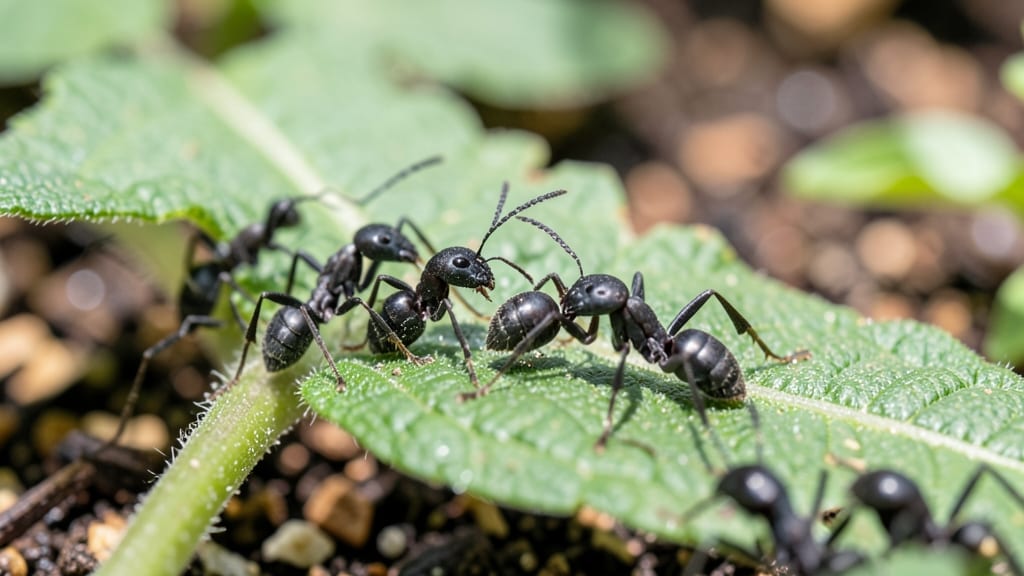
Ants are actually beneficial to a garden because they aerate soil, spread seeds, and naturally regulate pests by hunting harmful insects like aphids and caterpillars, all while enriching plant growth through nutrient recycling.
Most gardeners assume ants are pests, but these tiny workers play a surprisingly vital role in ecosystem health. 🌱 Their tunneling activities improve soil drainage and oxygen flow, while their seed dispersal habits help new plants establish.
Plus, their appetite for garden pests like aphids and caterpillars makes them nature's own pest control team. The key is encouraging the right species—harmless pavement ants or carpenter ants—while keeping aggressive invaders like fire ants in check.
What's fascinating is how ants create underground networks that mimic irrigation systems, delivering nutrients directly to plant roots. This natural fertilization process reduces the need for chemical fertilizers while promoting stronger, more resilient plants.
I've seen gardens thrive simply by leaving a small ant colony undisturbed—proof that these tiny creatures pack a big ecological punch.
💡 In This Article
- How Ants Improve Soil and Plant Health
- Managing Ants for Optimal Garden Balance
How ants improve soil and plant health
Ants act like tiny soil engineers, creating intricate tunnel systems that improve drainage and aeration. A single colony can build networks spanning 30-60 feet underground, breaking up compacted soil and allowing water and oxygen to penetrate deeper.
This is especially valuable in heavy clay soils where roots often suffocate. Studies show ant tunnels can increase soil porosity by up to 30%, creating ideal conditions for root growth. 🔥
Their seed dispersal habits are equally impressive. Ants like harvester ants carry seeds to their nests, often burying them to create food stores. About 20-30% of plant species rely on ants for seed dispersal, including many wildflowers and shrubs.
Unlike birds that may eat seeds, ants typically only remove the seed coat before storing the nutritious interior, giving plants a head start. This natural process helps establish plant communities that might otherwise struggle to germinate.
Ants also function as decomposers, breaking down organic matter into nutrient-rich humus. Leafcutter ants, for example, cultivate fungus gardens that accelerate decomposition, turning plant waste into fertilizer. Their tunnels mix these nutrients throughout the soil profile, creating a more fertile growing medium.
This natural fertilization can reduce the need for chemical amendments by upstrong>20% in some cases. The result? Healthier plants with stronger immune systems against diseases.
What makes ants particularly valuable is their symbiotic relationships with plants. Some species like acacia ants protect their host plants from herbivores in exchange for food and shelter, creating a mutually beneficial partnership. Even without direct symbiosis, ants' activities stimulate microbial activity in the soil, further enhancing nutrient availability.
Their presence often correlates with increased earthworm populations, as the improved soil structure creates ideal conditions for these beneficial worms.
Consider the case of pavement ants in vegetable gardens. These ants don't harm plants but actively hunt garden pests like aphids and caterpillars. Their tunneling improves soil structure around root zones, while their seed dispersal helps establish beneficial ground covers.
The net effect is a more balanced ecosystem where plants thrive with minimal intervention. This natural soil improvement process can save gardeners $50-$100 annually in soil amendments and pesticides.
The key to maximizing these benefits lies in understanding which ant species provide the most value. Harmless pavement ants and carpenter ants are typically the most beneficial, while aggressive species like fire ants should be managed carefully.
By encouraging the right colonies, gardeners can create a self-sustaining system where ants work as natural garden assistants. 🌱