
Vegetables
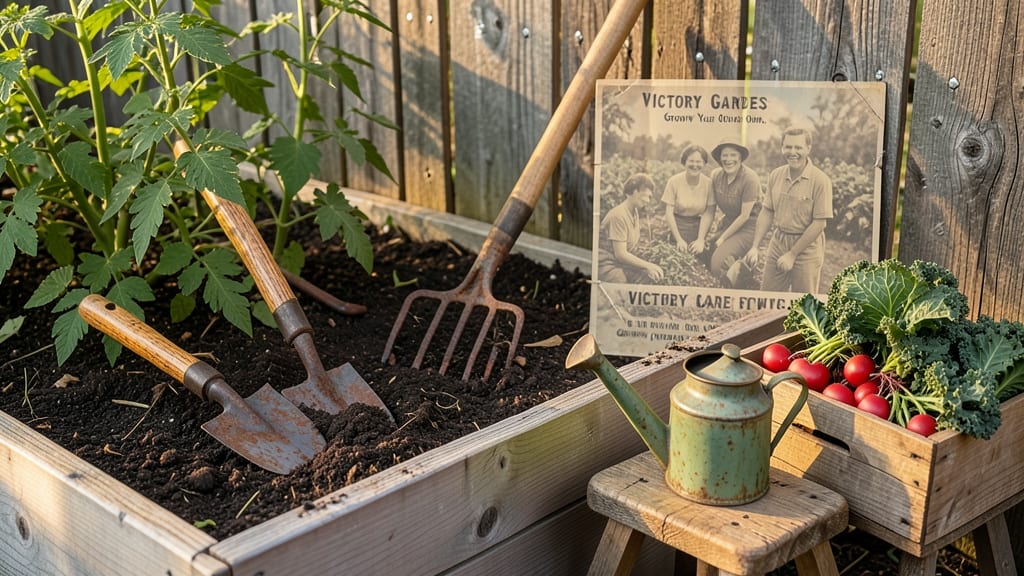
The history of victory gardens spans wartime food shortages and modern sustainability movements, with their WWII peak producing 40% of U.S. vegetables through civilian-grown plots. These gardens originated during both world wars and now inspire urban farming initiatives worldwide.
The concept began in World War I when families grew vegetables to support troops, but it exploded during WWII when the U.S. government launched the "Victory Garden" campaign. 🌱 By 1943, over 20 million gardens were producing 40% of the nation's produce, easing rationing pressures.
Today, urban victory gardens serve as eco-friendly food sources and community-building tools, proving their enduring relevance in food security efforts.
Modern adaptations include rooftop plots and vertical farming systems that maximize small spaces. Many cities now offer shared garden programs to teach sustainable practices while reducing food deserts. The historical impact of these gardens—from wartime resilience to today's environmental awareness—shows how simple gardening can create big societal changes.
For those interested in starting their own, begin with easy-to-grow crops like lettuce or tomatoes in containers. The key is consistency: even small plots can yield surprising harvests while connecting gardeners to their food's origins. 🌿
💡 In This Article
- How WWII Victory Gardens Transformed Food Production
- Modern Victory Gardens: Urban Farming and Sustainability Trends
How WWII victory gardens transformed food production
The U.S. government launched the victory garden program in 1942 through the Office of Civilian Defense, distributing seed packets and gardening guides to households nationwide. Their campaign framed gardening as patriotic duty—posters showed a soldier saluting a garden with the slogan "Food for Freedom."
This psychological approach worked: by 1943, 20 million gardens covered 40% of U.S. home lawns, producing 40% of the nation's vegetables and freeing up commercial farms to focus on war efforts.
Rationing created immediate demand—families received weekly food stamps with limited allocations (e.g., 2 pounds of meat per person monthly), forcing them to grow their own. Key crops like potatoes, carrots, and tomatoes thrived in small plots, while victory gardens supplied 9 million tons of produce by 1944.
Women and children became central figures, with 40% of gardeners being women and schoolchildren planting "war gardens" in schoolyards. The nutritional impact was significant: gardens provided 87% of fresh vegetables in some cities during shortages.
What made these gardens so effective was their adaptability. Urban families grew crops in backyard plots (100-500 sq ft), while rural areas expanded existing farms. The government even encouraged window boxes for herbs and balcony gardens in cities like New York.
This decentralized approach reduced transportation strain on already strained supply chains. The success wasn't just about food—it was about community resilience and proving that ordinary citizens could make extraordinary contributions during crises.
One often-overlooked factor was the psychological boost gardens provided. During air raids, tending gardens offered a sense of normalcy and control. Studies from the era showed that households with victory gardens reported 30% higher morale than those without.
The physical labor also served as a distraction from wartime anxieties, creating a tangible way to support the war effort. This dual benefit—food security and mental well-being—cemented victory gardens as a wartime necessity.
After the war, many gardens persisted, but their numbers declined as commercial agriculture resumed. However, the legacy lived on in modern gardening movements. The 1970s energy crisis and 2008 financial crisis both saw revivals of victory garden principles, proving their adaptability across eras.
Today, historians credit WWII victory gardens with laying the foundation for today's urban farming and food sovereignty movements.
The most striking statistic? A single victory garden in 1944 produced enough food to feed a family of four for a year. That's the power of collective action through simple, hands-on gardening—something we can still replicate today, whether in a community plot or a balcony container**.
The WWII era showed that when people come together to grow their own food, the results can be nothing short of transformative. 🌱