
Container Gardens
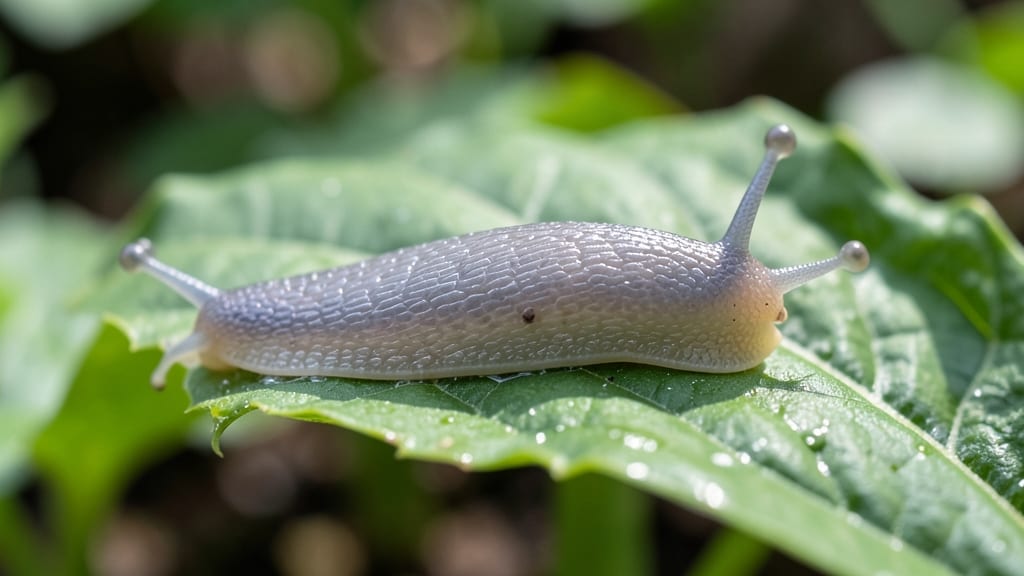
Slugs can be beneficial to gardens in small numbers because they break down organic matter, aerate soil, and create nutrient-rich castings. However, their appetite for living plants usually outweighs these benefits unless you actively manage their population.
These nocturnal creatures play a subtle but important role in soil ecosystems by recycling plant debris into compost-like castings. 🌱 The tunnels they create improve drainage and root growth, while their feeding habits promote microbial diversity.
Yet, their love for tender young leaves and flowers often turns these benefits into a double-edged sword—especially in vegetable gardens or delicate perennials. The key lies in finding that balance: embracing their soil-enhancing qualities while protecting your prized plants from becoming their next meal.
For gardeners, this means monitoring slug activity during damp seasons and implementing simple barriers like crushed eggshells or copper tape around vulnerable plants. Introducing natural predators like ground beetles or ducks can also help maintain equilibrium.
The real magic happens when you view slugs not just as pests, but as an integral part of your garden's natural cycle—one that requires thoughtful management to maximize their benefits while minimizing their damage.
💡 In This Article
- How Slugs Improve Soil Health Naturally
- Balancing Slugs: Natural Ways to Manage Their Impact
How slugs improve soil health naturally
Slugs act as tiny ecosystem engineers by breaking down organic matter through their specialized radula—a ribbon-like tongue covered in tiny teeth that grinds plant debris into finer particles. This process mimics composting, converting dead leaves, stems, and other plant material into nutrient-rich castings that resemble finely textured compost.
These castings contain higher concentrations of nitrogen, phosphorus, and potassium than the original organic matter, providing a slow-release fertilizer that improves soil fertility over time.
Their tunneling behavior creates micro-channels in the soil that enhance aeration and water infiltration. Studies show these burrows can increase soil porosity by up to 20%, allowing roots to access oxygen and moisture more efficiently.
This is particularly beneficial in heavy clay soils where compaction is a common issue. The physical disturbance from slug activity also stimulates microbial activity, creating a more vibrant soil food web that supports plant growth.
What makes slugs unique compared to earthworms is their ability to process tougher organic materials like woody stems and seed husks that many other decomposers avoid. Their saliva contains enzymes that break down cellulose and lignin, making them effective recyclers of plant waste that would otherwise accumulate.
However, this benefit comes with a trade-off: their preference for living plant tissue means they'll often consume young seedlings before completing decomposition.
The ecological balance slugs create extends beyond nutrients. Their presence supports predator populations like birds, frogs, and beetles that feed on them, creating a food chain that enhances garden biodiversity.
In natural ecosystems, slug populations remain stable through this predator-prey relationship, but human-altered gardens often lack these natural controls, leading to overpopulation and damage.
Consider the case of a 100-square-foot vegetable patch with proper slug management. When populations are kept at around 5-10 slugs per square yard, their soil benefits can outweigh the damage.
But when numbers swell to 50+ per square yard—common in damp, shaded gardens—they'll consume 10-20% of young leaves weekly, negating any soil benefits. The key is maintaining that delicate equilibrium through natural controls.
One fascinating aspect is their role in seed dispersal. Many wildflowers rely on slugs to transport seeds through their digestive systems, ensuring germination in new locations. This ecological service is particularly valuable in restored native plant areas where natural seed dispersal mechanisms are lacking.
The trade-off here is that they'll also transport weed seeds, which can become problematic in cultivated gardens.
For gardeners, understanding these dual roles helps explain why slugs shouldn't be automatically eradicated. Their soil-enhancing activities create foundational benefits that support plant health, even as their feeding habits require monitoring. The solution lies in creating environments where their positive contributions can flourish while minimizing their access to vulnerable plants.