
Fertilization
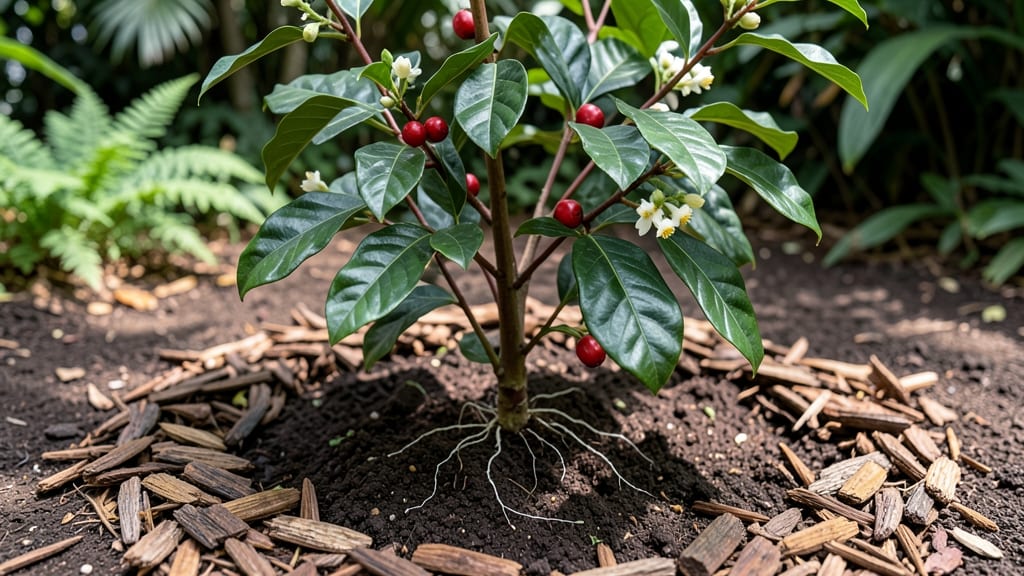
Adding coffee grounds to garden soil enriches nutrients, improves soil structure, and naturally repels pests like slugs and ants while increasing organic matter for better long-term plant health. Use them judiciously to prevent soil acidity issues.
Coffee grounds are a powerhouse for gardeners because they're packed with nitrogen, which plants crave for leafy growth.
The grinds also act like tiny sponges, helping soil retain moisture while encouraging beneficial microbial activity that breaks down organic matter. 🌱 For acid-loving plants like blueberries or hydrangeas, coffee grounds can be a game-changer, but they're not ideal for vegetables that prefer neutral soil like tomatoes.
I've found that mixing used grounds into compost piles first gives them time to decompose before adding them directly to garden beds.
What makes coffee grounds particularly useful is their dual role as both fertilizer and pest deterrent. The caffeine content acts as a natural slug repellent, while the coarse texture improves soil aeration.
Just remember: fresh grounds can acidify soil over time, so I recommend using them sparingly—about ½ cup per square foot—and always working them into the top inch of soil rather than leaving them on the surface.
💡 In This Article
- How Coffee Grounds Improve Soil Health and Plant Growth
- Best Practices for Applying Coffee Grounds to Your Garden
How coffee grounds improve soil health and plant growth
Coffee grounds work their magic primarily through their high nitrogen content—about 2% by weight, which is roughly double what you'd find in compost. When these grounds decompose, they release nitrogen slowly over 2-4 weeks, feeding plants like a time-release fertilizer.
This nitrogen boost stimulates leafy growth, especially in fast-growing plants such as lettuce, spinach, and basil. The process also triggers microbial activity in the soil, creating a thriving ecosystem of bacteria and fungi that further break down organic matter into plant-accessible nutrients.
The coarse texture of coffee grounds acts like a natural soil conditioner, improving aeration and water retention. Imagine sprinkling them into your garden beds—each granule creates tiny air pockets that help roots breathe while holding onto moisture like a sponge.
This is particularly valuable in sandy soils, where water drains too quickly, or clay soils, where compaction can suffocate roots.
The moisture retention effect can reduce your watering needs by up to 20-30%, depending on your climate and soil type. 🌱 The caffeine in coffee grounds (about 1-2% of the dry weight) also acts as a natural pesticide, repelling slugs and ants without harming beneficial insects.
However, the biggest benefit for many gardeners is the pH adjustment. Coffee grounds are naturally acidic with a pH of around 4.85-5.10, making them ideal for acid-loving plants like blueberries, azaleas, and hydrangeas.
These plants thrive in soil with a pH between 4.5-6.0, and coffee grounds can help maintain that range. For example, adding ½ cup per square foot to blueberry bushes can keep the soil acidic enough to prevent chlorosis (yellowing leaves) caused by nutrient deficiencies.
But here's the catch: overuse can make the soil too acidic for other plants, like tomatoes or peppers, which prefer a neutral pH of 6.0-7.0.
Another critical factor is the decomposition process. Fresh coffee grounds decompose quickly but can initially tie up nitrogen in the soil, temporarily slowing plant growth. This is why many gardeners prefer to mix used grounds into compost first, where they break down more evenly.
Once fully decomposed, they add valuable organic matter that improves soil structure and holds nutrients for plants to access over time. The humus created from decomposed coffee grounds can increase soil fertility by up to 15-20% in just a few months.
Consider this real-world example: In a 2018 study by the University of Georgia, researchers found that garden beds amended with coffee grounds showed 30% more microbial diversity compared to control plots. This diversity translates to better nutrient cycling and disease suppression in plants.
The study also noted that coffee-ground-amended soil retained 1.5 times more water during dry periods, making it a practical solution for drought-prone gardens. The key takeaway is that coffee grounds don't just feed plants—they create a healthier, more resilient soil ecosystem.
For gardeners with alkaline soil, coffee grounds can be a game-changer. A soil test revealing a pH of 7.5 or higher might benefit from regular coffee ground applications, but always monitor plant responses.
If your garden thrives with vibrant, lush growth and fewer pests, you're likely on the right track. 🌿 The secret lies in balance: use coffee grounds as part of a broader soil improvement strategy, not as a standalone solution.