
Tools
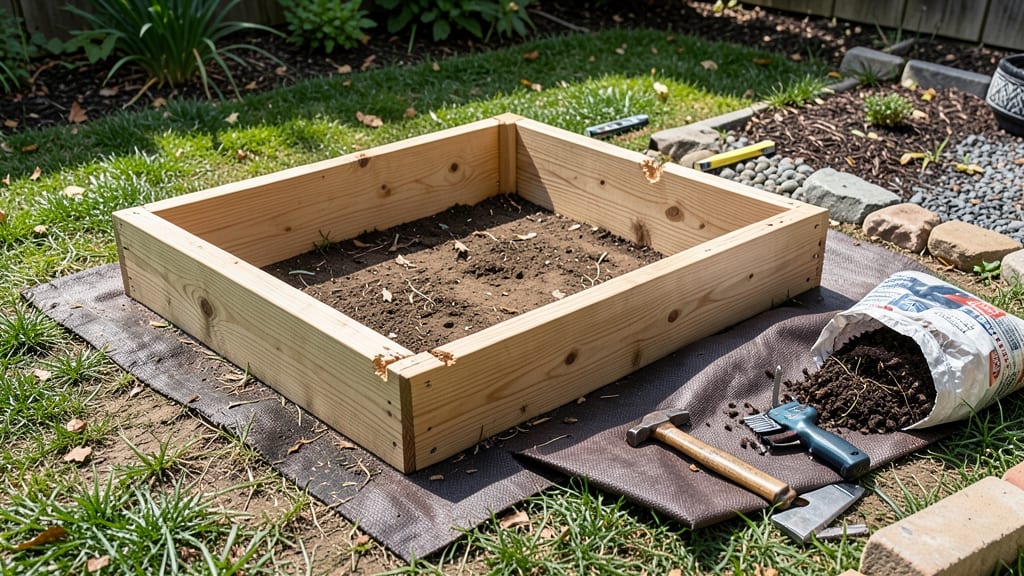
To make a cheap raised garden, use untreated wood scraps or cinder blocks for borders, line the base with cardboard, and fill with a mix of topsoil, compost, and straw. This method cuts costs while improving drainage and soil quality for healthy plants.
Creating an affordable raised garden doesn't mean sacrificing quality—it's all about smart material choices and clever construction. 🌱 I've built gardens using reclaimed wood from old pallets or even cinder blocks stacked in a square, both of which cost under $50 for materials.
The key is focusing on soil quality: a mix of topsoil, compost, and straw creates the perfect growing environment while keeping expenses low. This approach also gives you control over soil health, which is especially important if your yard has poor native soil.
What's interesting is how this method actually saves money long-term. The improved drainage prevents water waste, and the raised beds warm up faster in spring, giving you a longer growing season.
Plus, you can customize the size to fit tight spaces—perfect for small yards or urban balconies. I recommend starting with a 4x8-foot frame since it uses standard lumber lengths efficiently.
For those worried about durability, untreated cedar or redwood scraps last surprisingly well when kept off the ground. If wood isn't available, concrete blocks or even stacked bricks work beautifully. Just remember to leave small gaps between blocks for drainage—this simple detail makes all the difference in preventing root rot.
💡 In This Article
- Budget-Friendly Raised Garden Materials Breakdown
- Space-Saving Raised Garden Layouts for Small Yards
Budget-friendly raised garden materials breakdown
When building a low-cost raised garden, the materials you choose directly impact both your budget and the garden's longevity. Untreated wood scraps—like cedar or pine—are excellent choices because they resist rot better than pressure-treated wood, which can leach chemicals into your soil.
A 4x8-foot frame using 2x6 lumber costs around $20-$30 if sourced from salvage yards or construction sites. For even cheaper options, consider repurposing wooden pallets or cinder blocks, which can be stacked to create sturdy, long-lasting borders without the need for complex construction.
The foundation is just as critical as the frame. Cardboard or thick newspaper laid at the base acts as a weed barrier while breaking down to improve soil structure over time. This layer also prevents soil from spilling into your yard.
For soil fill, mix one-third topsoil (the base for nutrients), one-third compost (to retain moisture and provide organic matter), and one-third straw or wood chips (for drainage and weed suppression).
Compost can often be sourced for free from local farms, municipal composting programs, or even your own kitchen scraps—just avoid meat or dairy, which attract pests.
Drainage is where many budget gardens fail, but it’s simple to fix. By elevating the bed off the ground (even just 4-6 inches), you prevent waterlogging and improve root health. If using blocks or bricks, leave 1-inch gaps between them for water to drain freely.
The soil mix itself should also include coarse materials like perlite or coarse sand (about 10% of the total volume) to ensure excess water drains away from roots. This small adjustment can mean the difference between thriving plants and a soggy, disease-prone bed.
For those with limited space or uneven ground, consider a tiered design using stacked cinder blocks or bricks. This creates multiple planting levels without requiring extra materials. Each tier can be filled with the same soil mix, allowing you to grow a variety of plants vertically.
For example, a 3-tier design (each tier 12 inches deep) can fit into a 3x3-foot footprint while giving you the equivalent of a 4x8-foot garden’s growing space. The key is to space tiers at least 6 inches apart to allow for easy access and proper drainage between levels.
One often-overlooked cost-saver is the "no-dig" approach to soil preparation. Instead of tilling (which requires tools and effort), simply layer your materials: cardboard, compost, straw, and topsoil. Over time, worms and microbes will aerate the soil naturally.
This method also reduces the risk of compacting the soil, which can suffocate roots. For instance, a 4x4-foot bed filled this way costs roughly $15-$25 in materials, compared to $50+ for pre-mixed bagged soil. The trade-off?
A slightly slower start, but the long-term benefits for plant health are well worth it.
Finally, don’t underestimate the power of repurposed materials. Old windows can become trellises for climbing plants, while broken terracotta pots can line the edges for a rustic look. Even scrap metal or plastic sheeting can serve as a temporary liner if you’re in a hurry.
The goal is to think creatively—what might seem like trash to others could be the perfect addition to your garden. 💫