
Fertilization
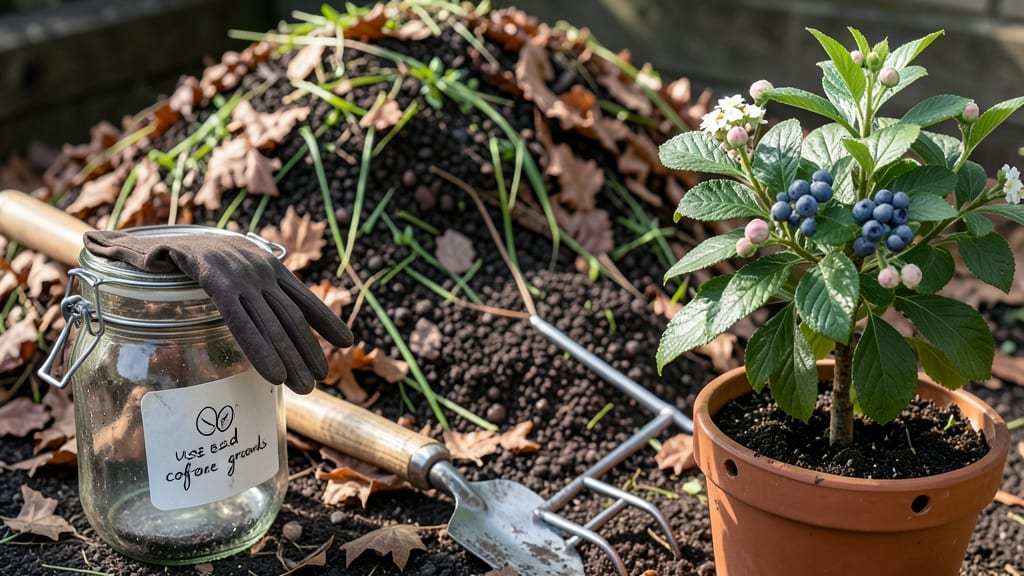
A coffee grounds in the garden fact sheet reveals they acidify soil (lowering pH), boost organic content, and enhance moisture retention—ideal for acid-loving plants like azaleas and blueberries while supporting nutrient availability for most vegetables and herbs.
Coffee grounds work as a natural soil amendment because their high nitrogen content feeds beneficial microbes, which break down the organic matter into plant-accessible nutrients. 🌱 The tannins in coffee also create a slow-release acidity effect, making them perfect for gardens with rhododendrons or potatoes.
Just remember: fresh grounds can compact soil, so mix them into compost first or spread them lightly on top and till them in.
This dual-action approach—acidifying while enriching—explains why gardeners swear by coffee grounds for everything from flowering shrubs to leafy greens. The key is balance: too much can make soil too acidic for neutral-loving plants like onions or asparagus, but the right amount turns them into a powerhouse amendment.
💡 In This Article
- How Coffee Grounds Affect Soil pH and Nutrient Balance
- Best Plants to Pair with Coffee Grounds in Your Garden
How coffee grounds affect soil pH and nutrient balance
Coffee grounds lower soil pH primarily through their natural acidity, which comes from two key components: tannins and organic acids like chlorogenic acid. When grounds decompose, these compounds break down into simpler molecules that release hydrogen ions (H+), gradually acidifying the soil.
This process is most effective in well-draining soils where microbial activity can thrive—think sandy loam or compost-rich beds. The pH shift typically ranges from 0.5 to 1.5 units depending on application rate, making them ideal for gardens needing acidic conditions (pH 4.5-6.0).
The nitrogen content in coffee grounds (about 2% by weight) plays a dual role: it feeds soil microbes that further break down organic matter, releasing additional nutrients, while also providing a slow-release fertilizer for plants.
However, this nitrogen release isn't immediate—it takes 4-8 weeks for full decomposition, during which time the grounds act more like a soil conditioner than a quick nutrient boost. The breakdown process also improves soil structure by increasing porosity, which enhances water retention and root penetration.
What most gardeners overlook is how coffee grounds interact with existing soil chemistry. In alkaline soils (pH >7.0), the acidifying effect is more pronounced, while in already acidic soils, the impact is minimal.
For example, adding 1 cup of used grounds per square foot to a clay-heavy soil can reduce pH by upstrong>0.8 units within 3 months, but the same amount in sandy soil may only drop it by 0.3 units. This variability explains why testing your soil before application is critical.
Beyond pH, coffee grounds contribute trace minerals like magnesium, potassium, and phosphorus, though in smaller quantities. The real magic happens in the microbial ecosystem: the grounds feed beneficial bacteria and fungi that decompose organic matter, creating a more vibrant soil food web.
This microbial activity is why coffee-ground-amended soil often shows improved disease resistance in plants—healthy microbes outcompete pathogens. 🌱
One common mistake is using fresh coffee grounds directly on garden beds, which can create a compacted, anaerobic layer that smells like vinegar and repels worms. To avoid this, always compost grounds first or mix them into the top 2-3 inches of soil.
The decomposition process releases beneficial enzymes that further enhance nutrient availability, making the grounds a two-for-one amendment: they acidify AND fertilize.
For long-term gardeners, the cumulative effect of regular coffee ground applications is a gradual shift toward more acidic, nutrient-dense soil. Over 2-3 years of consistent use (about 1-2 pounds per 100 square feet annually), you'll notice deeper root systems in acid-loving plants and improved moisture retention across the garden.
The key is moderation—too much can create an imbalanced ecosystem where only the hardiest acid-lovers thrive.