
Pests
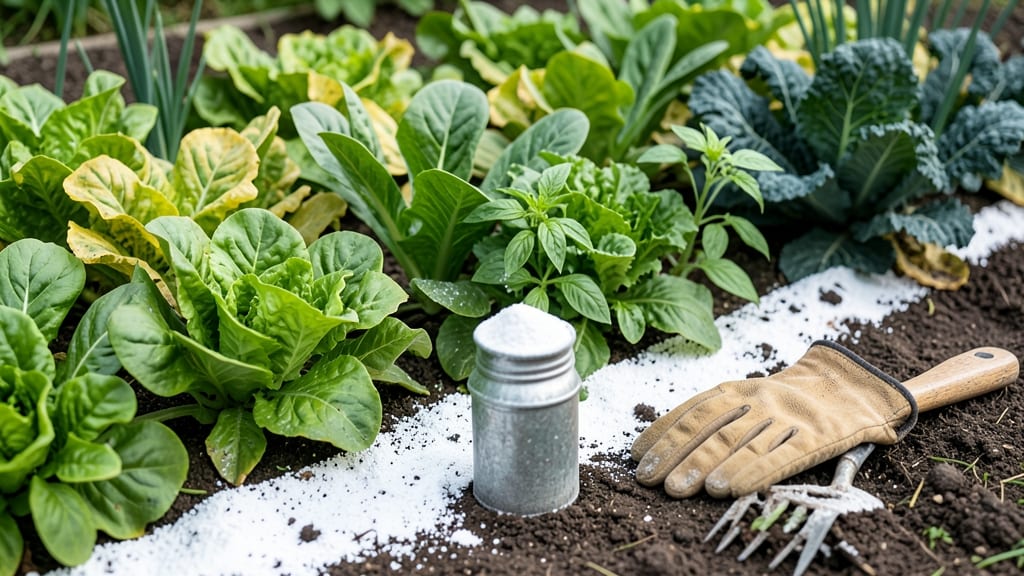
Diatomaceous earth in garden beds works by dehydrating pests like slugs, ants, and beetles through microscopic particles that damage their exoskeletons, while also enhancing soil aeration and microbial life when used properly. Stick to food-grade DE and reapply after rain or watering.
This natural powder isn't just a pest control solution—it's also a soil amendment that improves drainage and microbial activity. 🔥 The key is applying it correctly: sprinkle a thin layer (1 pound per 100 square feet) around plants in dry conditions, avoiding direct contact with beneficial insects like bees.
I've found it works best in morning applications when pests are most active, and it's safe to use right up until harvest.
For best results, focus on areas where pests are active, like garden edges or under mulch. The particles need to stay dry to work effectively, so watering afterward can reduce its effectiveness temporarily. Always use food-grade DE to ensure safety for both your garden and your family.
💡 In This Article
- How Diatomaceous Earth Kills Garden Pests
- Best Practices for Applying DE in Soil
How diatomaceous earth kills garden pests
Diatomaceous earth (DE) works like microscopic glass shards that slice through the waxy outer layer of insects. These particles, made from fossilized algae called diatoms, measure between 3-30 microns—small enough to cut through cell walls but harmless to humans and plants.
When pests like slugs, ants, or beetles crawl over treated soil, the abrasive particles embed in their exoskeletons, creating tiny wounds that cause rapid dehydration. This process typically kills insects within 24-48 hours, making DE an effective organic alternative to chemical pesticides. 🔥
The effectiveness varies by pest type: soft-bodied insects like aphids and slugs are most vulnerable because their exoskeletons offer little protection. Harder-shelled pests like beetles require repeated exposure, as their thicker cuticles resist the initial damage.
DE doesn’t kill by poisoning—it physically disrupts the insect’s moisture barrier, which is why it’s considered non-toxic to plants and mammals. Unlike chemical pesticides, DE breaks down harmlessly in sunlight and doesn’t leave harmful residues in the soil.
What makes DE unique is its dual action: while it targets pests, it also improves soil structure. The fine particles enhance aeration by filling gaps between soil aggregates, allowing roots to breathe better. This is especially helpful in dense or clay-heavy soils where water drainage becomes an issue.
The increased airflow encourages beneficial microbes to thrive, creating a healthier ecosystem that naturally repels some pests while supporting plant growth. 🌱
However, DE has limitations. It loses effectiveness when wet, which is why morning applications work best—pests are most active then, and the powder stays dry longer. Rain or irrigation can wash it away, requiring reapplication every 1-2 weeks or after significant moisture exposure.
Unlike systemic pesticides that spread through plants, DE only works on contact, so thorough coverage is essential for maximum protection.
For gardeners concerned about beneficial insects, DE can be selective when applied strategically. Avoid sprinkling it where bees or ladybugs are active, as these helpful creatures can also be affected. Instead, focus on problem areas like garden edges, mulch lines, or under plants where pests hide.
The key is precision: a light dusting (1 pound per 100 square feet) is usually sufficient, while heavy applications can temporarily disrupt soil microbes.
One common misconception is that DE works immediately. In reality, it takes time for pests to encounter the treated areas. For best results, combine DE with other organic methods like companion planting or neem oil.
This layered approach creates a more resilient defense system in your garden, reducing the reliance on any single treatment. 💫