I’ve always found solace in the dirt—whether it was sneaking tomatoes from my neighbor’s garden as a kid or helping my grandpa coax life out of stubborn seeds. This site is where I share the lessons I’ve learned from both successes and spectacular failures. My goal? To make gardening feel less like a chore and more like a conversation with the earth.
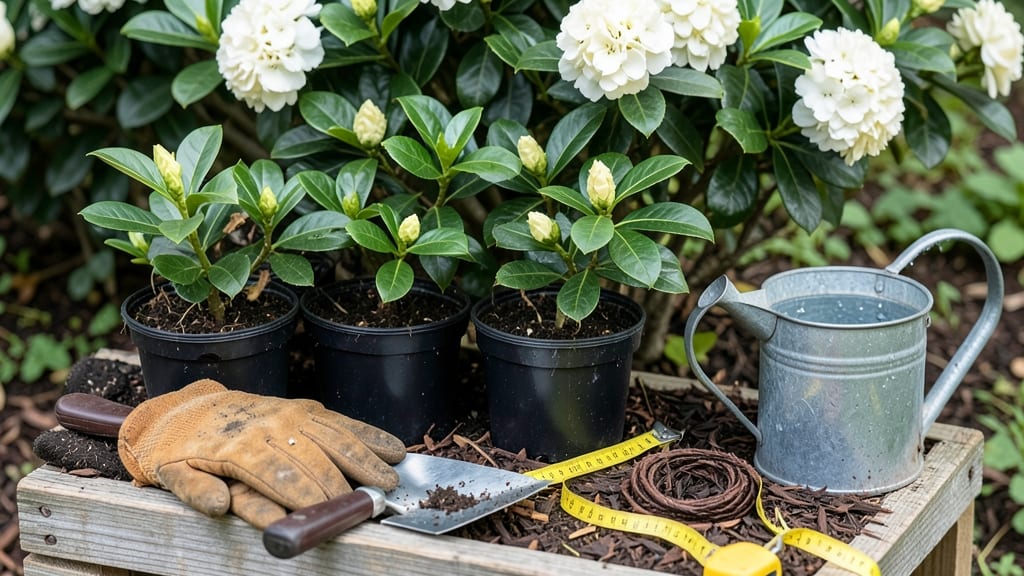
💥 Quick Answer To plant gardenias properly, space them 5 to 8 feet apart to ensure healthy airflow and sunlight exposure, which prevents fungal diseases and allows mature bushes to spread to 6 feet wide. Smaller dwarf…
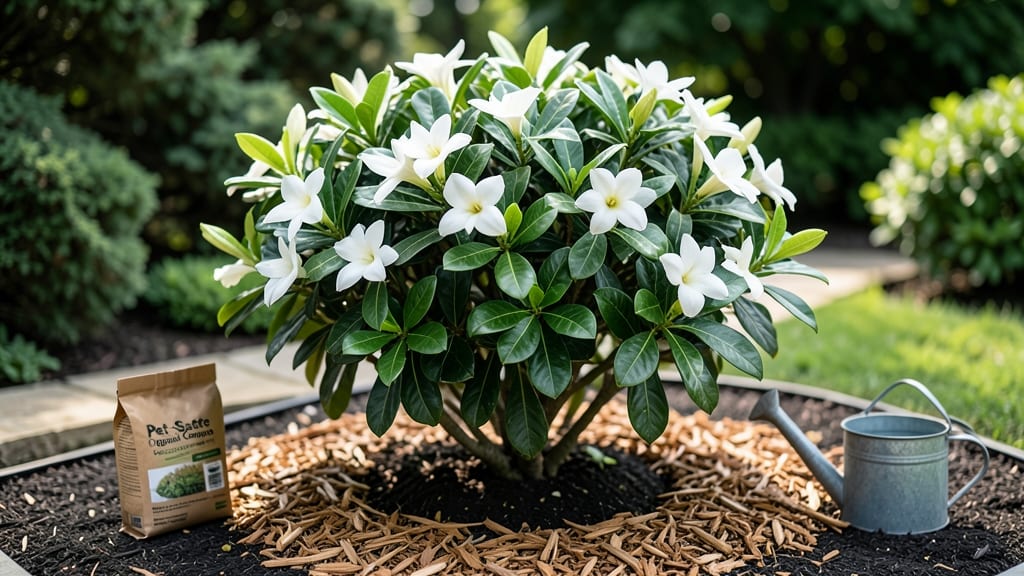
💥 Quick Answer Gardenia plants are not pet-safe —their leaves, flowers, and stems contain toxic compounds like saponins and cyanogenic glycosides, which can cause vomiting, drooling, or lethargy in pets. Avoid placing…
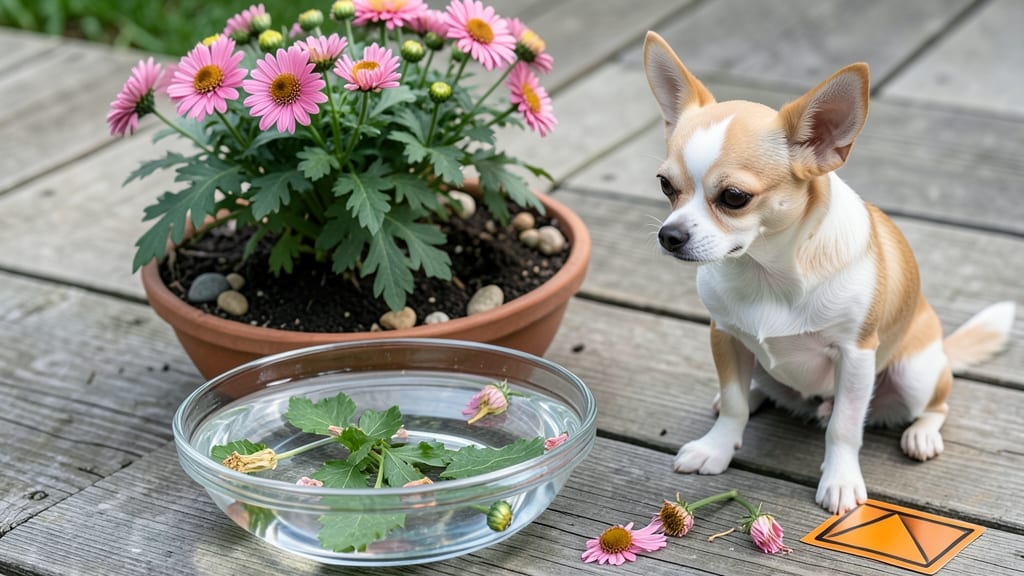
💥 Quick Answer Garden mums (chrysanthemums) are toxic to dogs, containing pyrethrins that cause drooling, vomiting, and lethargy if ingested. Symptoms appear within hours, and severe cases may require veterinary care…
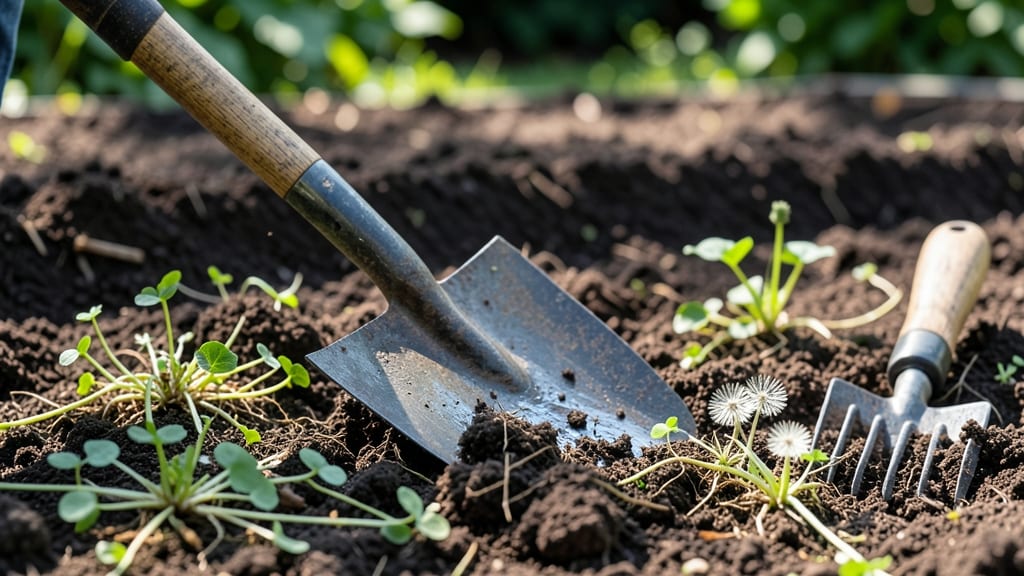
💥 Quick Answer Garden hoes have far more uses than weeding—they aerate soil, sever unwanted roots, harvest tubers like potatoes, level garden beds, and break through compacted hardpan for healthier plant growth. A…
💥 Quick Answer To fertilize garden beds at the best times, aim for early spring before planting or right after harvest, then apply light doses every 4-6 weeks during active growing seasons. Cool-season plants like…
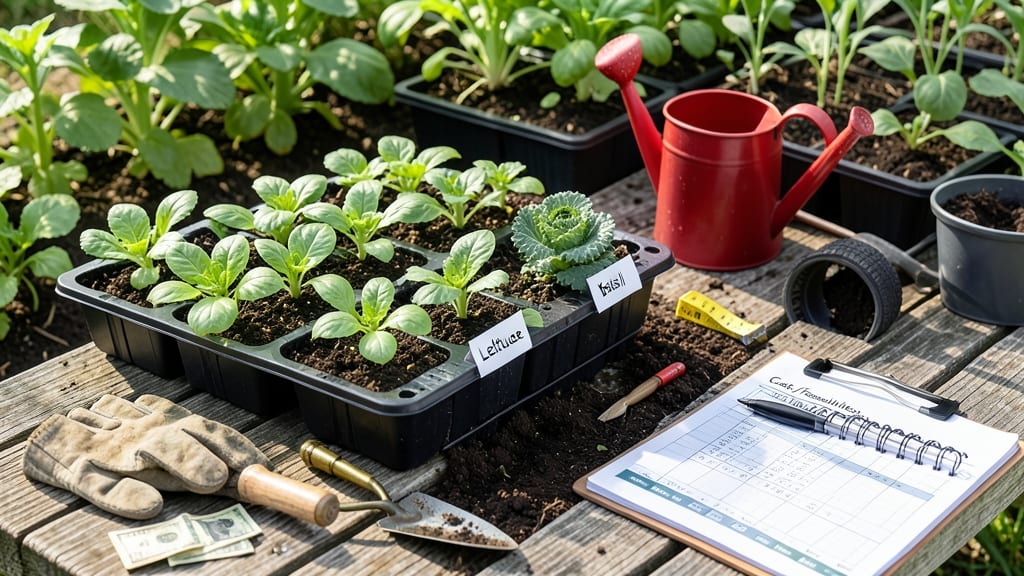
💥 Quick Answer A community garden startup budget and operating costs feasibility study reveals initial investments of $5,000 to $50,000+ for land, materials, and infrastructure, with annual operating expenses averaging…
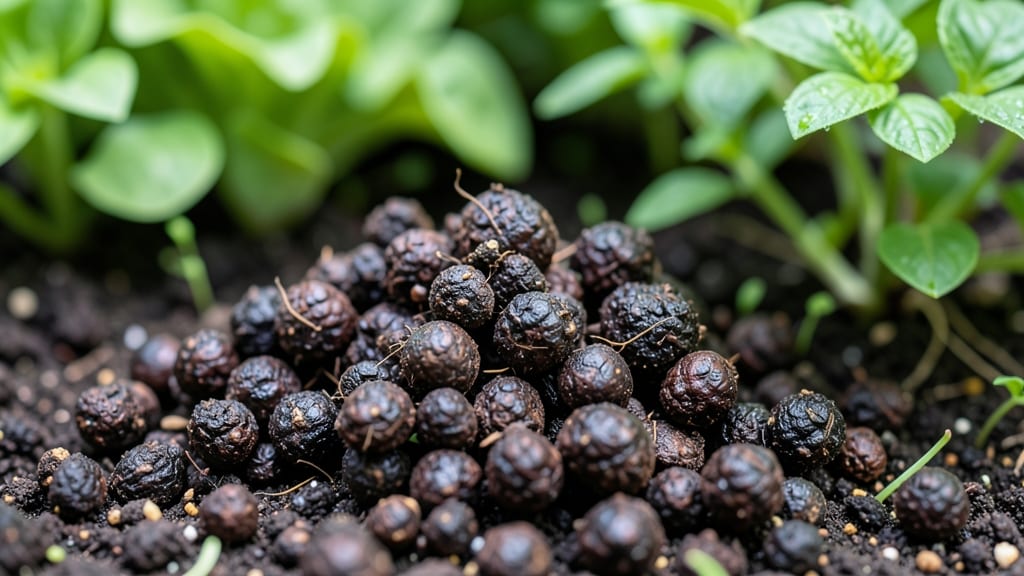
💥 Quick Answer To determine how much rabbit manure to use in your garden, start with a 1:4 ratio of aged compost (3-6 months old) to soil for most plants, while avoiding fresh manure to prevent ammonia burns. Leafy…
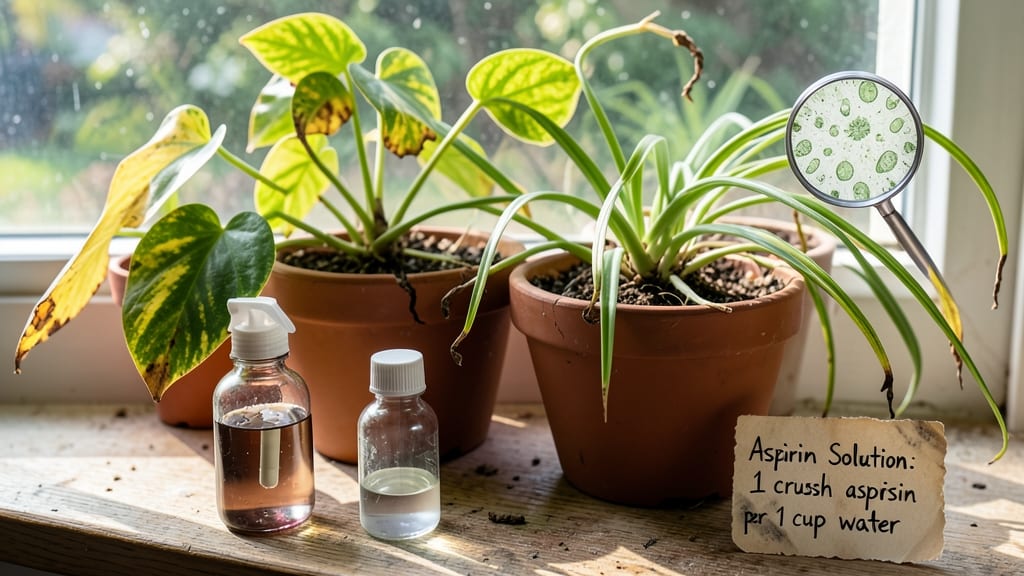
💥 Quick Answer Using aspirin in your garden helps deter pests like aphids and spider mites while promoting plant growth by acting as a natural fungicide and foliar fertilizer when diluted properly in water. This common…
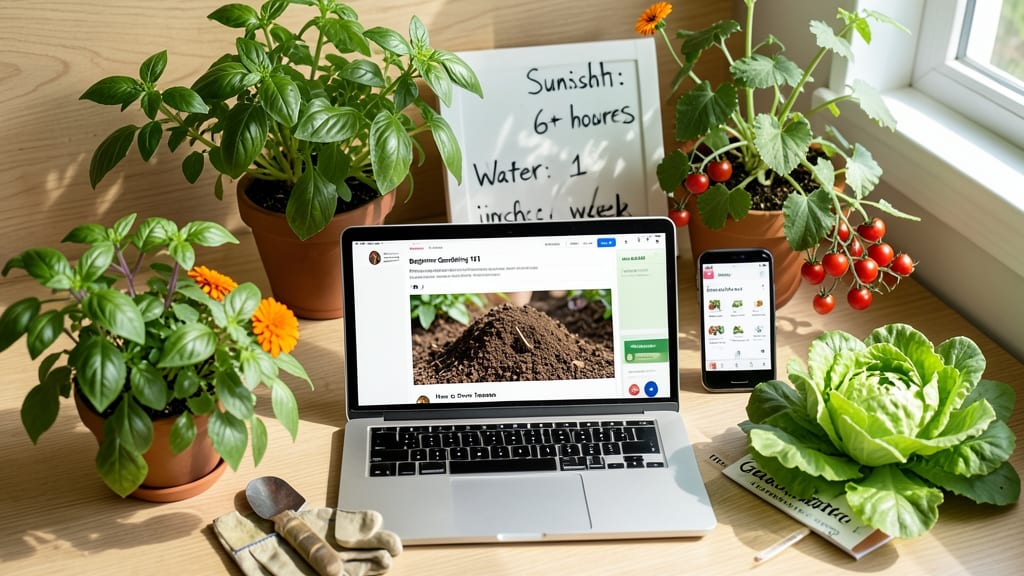
💥 Quick Answer To learn gardening online, explore expert-led courses covering everything from soil science basics to organic pest management. Platforms like Coursera, YouTube, and university extension programs provide…
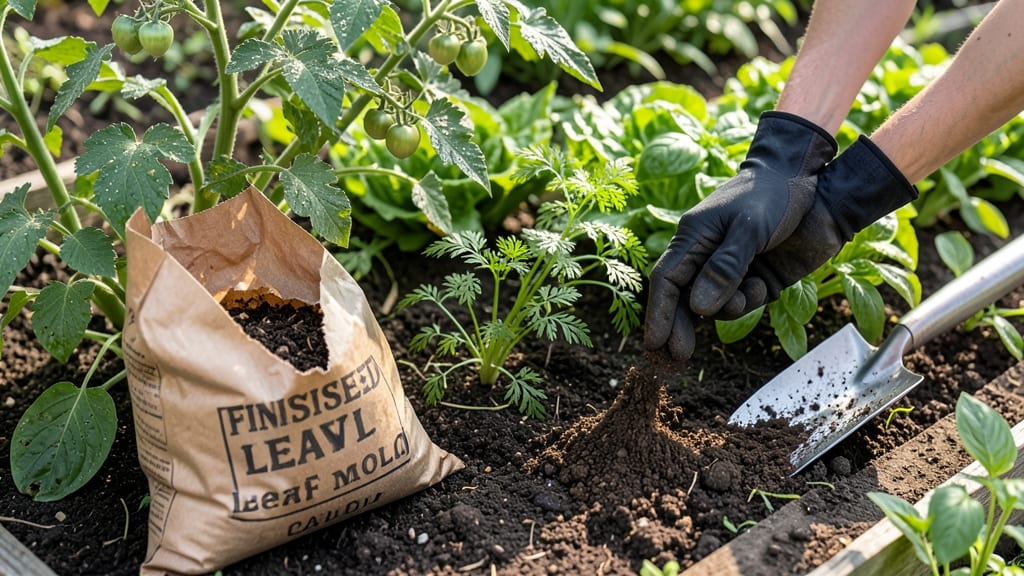
💥 Quick Answer Leaf compost is good for vegetable gardens once fully decomposed, as it boosts soil fertility with organic matter and improves water retention, but it may temporarily reduce nitrogen levels and introduce…