
Advice
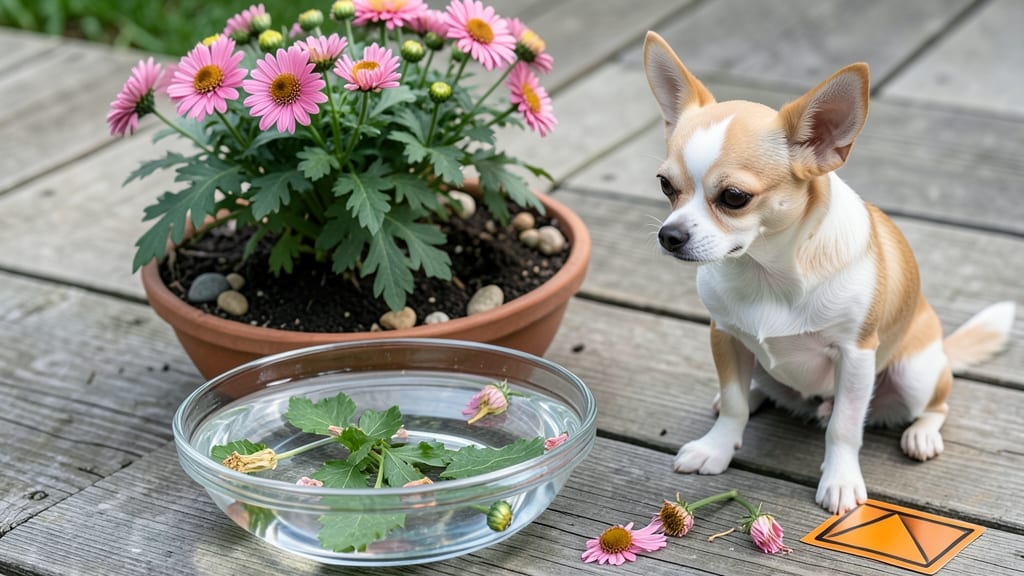
Garden mums (chrysanthemums) are toxic to dogs, containing pyrethrins that cause drooling, vomiting, and lethargy if ingested. Symptoms appear within hours, and severe cases may require veterinary care. Avoid planting them where pets can access them.
Garden mums contain natural compounds called pyrethrins, which act as insecticides and can disrupt a dog's nervous system. 🌼 Even small amounts may trigger symptoms like excessive drooling, stomach upset, or weakness, with reactions varying based on the dog's size and sensitivity.
I always recommend keeping these flowers out of reach—especially if your pup has a habit of nibbling on plants during walks or in the yard.
If you suspect your dog has ingested garden mums, monitor for signs like vomiting or diarrhea and contact your vet immediately. While most cases resolve with supportive care, severe reactions can occur, particularly in small breeds or pets with pre-existing health conditions.
For a safer garden, opt for pet-friendly alternatives like marigolds or sunflowers, which are non-toxic and add vibrant color without risk.
💡 In This Article
- Toxic Compounds in Chrysanthemums and Their Effects on Dogs
- Safe Flower Alternatives for Dog-Friendly Gardens
Toxic compounds in chrysanthemums and their effects on dogs
Chrysanthemums contain two primary toxic compounds: pyrethrins and sesquiterpene lactones. Pyrethrins act as natural insecticides, disrupting a dog's nervous system by overstimulating nerve endings, which leads to symptoms like excessive drooling and muscle tremors.
Even a single leaf or small stem can trigger these reactions, as the compounds are potent in concentrated form. 🔥 Sesquiterpene lactones, meanwhile, irritate the gastrointestinal tract, causing vomiting and diarrhea within 6-12 hours of ingestion.
The severity of symptoms depends on the dog's size and sensitivity. A 10-pound Chihuahua might experience more pronounced effects than a 50-pound Labrador after eating the same amount, because smaller dogs have less body mass to dilute the toxins.
Some dogs also metabolize these compounds more slowly, leading to prolonged symptoms. For example, a 1-ounce ingestion (about 3-4 leaves) could cause mild drooling in a large breed, while the same amount might trigger seizures in a tiny dog.
What most people don't realize is how these toxins affect the nervous system.
Pyrethrins bind to sodium channels in nerve cells, preventing them from resetting properly—this explains the twitching, incoordination, and weakness seen in affected dogs. 💫 The sesquiterpene lactones, on the other hand, create physical irritation in the mouth and stomach lining, leading to the immediate gagging and vomiting responses.
This dual mechanism makes chrysanthemums uniquely dangerous compared to other toxic plants, which often target just one system.
Dogs with pre-existing conditions—like liver disease or epilepsy—are at higher risk because their bodies may already struggle to process toxins. The liver plays a crucial role in breaking down pyrethrins, and if it's compromised, the compounds can circulate longer, worsening symptoms.
Even outdoor exposure isn't safe: walking a dog through a garden with chrysanthemums can leave residue on their paws, which they might later ingest while grooming.
Symptoms typically appear within 2-12 hours after ingestion, with vomiting and lethargy being the most common early signs. In severe cases, dogs may develop seizures or difficulty breathing, which requires immediate veterinary intervention.
The good news? Most cases resolve within 24-48 hours with supportive care, but monitoring is critical. 🌟 Always keep emergency vet contact information handy if you have chrysanthemums in your garden.
Interestingly, the toxicity varies by chrysanthemum type. Garden mums (Chrysanthemum × grandiflorum) contain higher concentrations of pyrethrins than some ornamental varieties, making them particularly risky.
This is why it's essential to research any new plants before adding them to your yard—what looks beautiful might be harmful to your furry family members.