
Advice
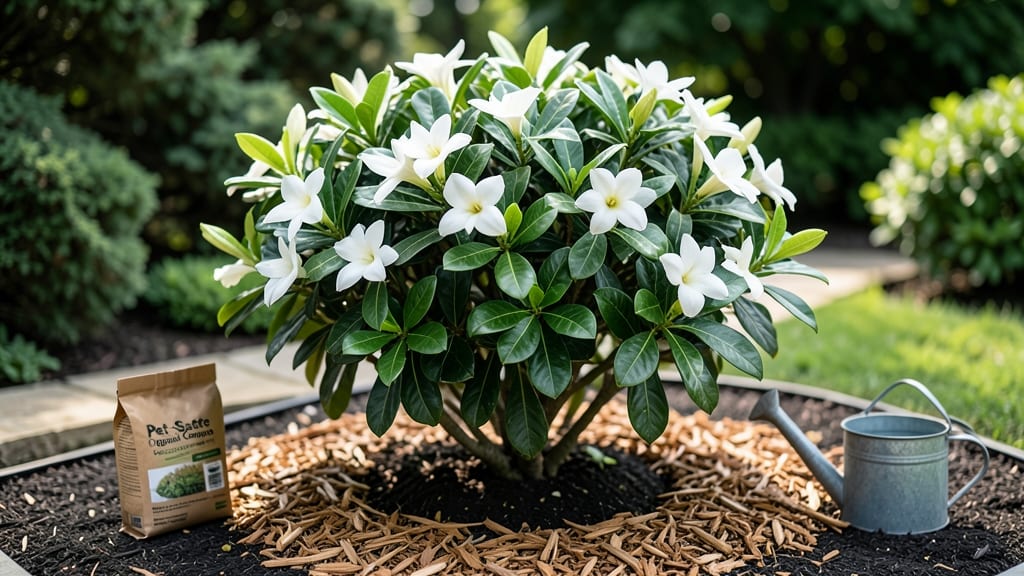
Gardenia plants are not pet-safe—their leaves, flowers, and stems contain toxic compounds like saponins and cyanogenic glycosides, which can cause vomiting, drooling, or lethargy in pets. Avoid placing gardenias where cats, dogs, or small animals can access them.
If you're a pet owner, gardenias should be kept out of reach—even a small nibble can trigger digestive upset in cats and dogs. 🐾 The toxic compounds in these fragrant plants can lead to more serious symptoms like weakness or difficulty breathing, especially in smaller pets.
I always recommend removing gardenias from homes with curious pets or opting for pet-safe alternatives like spider plants or sunflowers, which won't pose the same risks.
What's surprising is how quickly symptoms can appear—sometimes within minutes of ingestion. This makes it crucial to monitor pets around gardenias, even if they're placed in high areas. For extra safety, consider creating a designated "pet-free zone" in your home where toxic plants like gardenias are kept.
💡 In This Article
- Toxic Compounds in Gardenia and Pet Health Risks
- Pet-Friendly Flower Alternatives to Gardenia
Toxic compounds in gardenia and pet health risks
Gardenia plants contain two primary toxic compounds: saponins and cyanogenic glycosides, both of which disrupt your pet's digestive and nervous systems.
Saponins create a soapy foam when mixed with saliva, irritating the mouth and throat—imagine the burning sensation of biting into a bar of soap. 🌿 Cyanogenic glycosides, on the other hand, release cyanide when metabolized, which interferes with oxygen transport in the bloodstream.
Even small amounts can trigger symptoms within 15-60 minutes of ingestion.
The severity of poisoning depends on your pet's size and breed. A 10-pound cat might experience mild symptoms like drooling or vomiting after eating just one leaf, while a 50-pound dog could show more severe signs like weakness or tremors after consuming larger quantities.
The glossy, waxy texture of gardenia leaves makes them particularly appealing to pets, increasing the risk of accidental ingestion. Even fallen petals or stems can pose a threat, as pets often investigate unfamiliar objects with their mouths.
Symptoms of gardenia poisoning typically start with oral irritation, followed by gastrointestinal upset like vomiting or diarrhea.
In more severe cases, pets may exhibit neurological effects such as lethargy, tremors, or difficulty breathing. 🐶 The strong fragrance of gardenia flowers can also attract pets, making them more likely to chew or lick the plant.
If you suspect your pet has ingested gardenia, contact your veterinarian or the ASPCA Animal Poison Control Center immediately—early intervention can prevent long-term damage.
Not all parts of the gardenia plant are equally toxic, but none should be considered safe. The stems contain the highest concentration of saponins, while the flowers have more cyanogenic glycosides. This means even a small bite of any part can be harmful.
The risk isn't just limited to indoor plants—outdoor gardenias can also pose a threat if pets wander into gardens or yards where they're planted. Always supervise pets in areas where gardenias grow, and consider creating a pet-proof barrier to keep them away from these toxic plants.
What makes gardenia toxicity particularly insidious is how quickly symptoms can escalate.
Unlike some plants that cause delayed reactions, gardenia's compounds act rapidly, giving pet owners a narrow window to respond. 🚨 For example, a curious kitten might nibble on a leaf while you're out of the room, and by the time you return, they could already be showing signs of distress.
This is why prevention—like placing gardenias in hanging baskets or high shelves—is the best strategy for pet owners.
If you're unsure whether your pet has been exposed, look for these warning signs: excessive drooling, pawing at the mouth, vomiting, or unusual lethargy. These symptoms often appear within 30-90 minutes after ingestion.
While some pets may recover with supportive care (like fluids or anti-nausea medication), others may require more intensive treatment, especially if they've consumed large amounts. Always err on the side of caution and consult a professional if you suspect poisoning.