
Tools
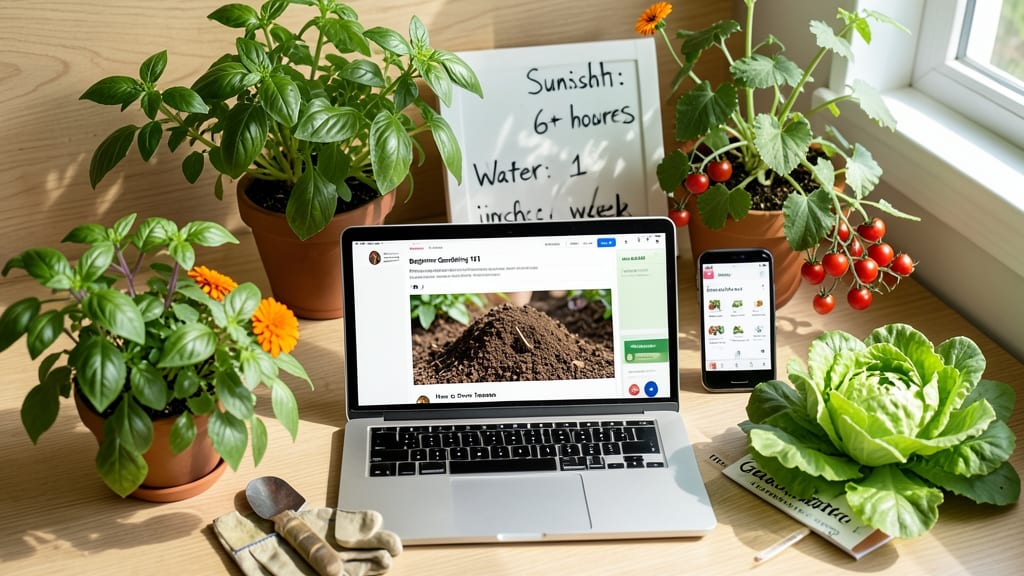
To learn gardening online, explore expert-led courses covering everything from soil science basics to organic pest management. Platforms like Coursera, YouTube, and university extension programs provide free, structured lessons with practical projects for all experience levels.
Online gardening education has never been more accessible, with platforms offering everything from soil science fundamentals to advanced permaculture techniques. 🌱 I’ve found that university extension programs often provide the most detailed hands-on guidance, while YouTube channels like "Epic Gardening" deliver bite-sized lessons perfect for visual learners.
The best part? Many courses include virtual plant swaps or community forums where you can troubleshoot real-time with fellow gardeners.
For those just starting, beginner courses often focus on container gardening or urban gardening hacks—ideal for small spaces. Intermediate learners might dive into hydroponics or composting systems, while advanced courses explore crop rotation or rare plant propagation.
The key is matching your current skill level with the right platform’s project-based approach.
💡 In This Article
- Top Free Online Gardening Courses by Skill Level
- Choosing the Best Free Gardening Platforms for Hands-On Learning
Top free online gardening courses by skill level
Beginner courses focus on foundational skills like soil composition, where you’ll learn how to test pH levels using simple kits (typically 6.0-7.0 for most vegetables).
For example, platforms like Coursera’s "Introduction to Gardening" breaks down composting ratios—1 part nitrogen (grass clippings) to 3 parts carbon (dry leaves)—while demonstrating how to build a basic compost bin with everyday materials. These courses often include 30-day plant growth challenges to track progress visually.
Intermediate learners dive into specialized techniques like hydroponics, where courses explain how nutrient solutions (like 16-4-8 NPK ratios) replace traditional soil. Platforms like YouTube’s "Growing Vegetables" channel by Epic Gardening shows step-by-step how to set up a 5-gallon bucket system with LED grow lights, complete with wiring diagrams.
The science behind water circulation—maintaining 18-22°C for optimal root growth—is explained with real-time temperature graphs.
Advanced courses tackle complex systems like permaculture design, where you’ll analyze microclimates using tools like windbreak calculations (e.g., 30% wind reduction at 5 feet height).
The University of California’s Online Gardening Program offers case studies of food forests, where layers of plants (trees, shrubs, ground covers) create 70%+ biodiversity in just 2 years. These programs often require submitting photos of your own garden layouts for peer review.
What sets these courses apart is their hands-on focus. Beginner courses might assign weekly plant journaling (tracking soil moisture with a tachometer), while advanced learners design full-scale garden plans using free software like Garden Planner 3D.
The key is selecting a course that matches your current skill level—beginners should start with soil basics, while intermediate gardeners can experiment with hydroponics before tackling permaculture.
For those with limited space, urban gardening courses teach vertical farming techniques using 2-inch pots stacked on walls, where herbs like basil thrive in 6-8 hours of sunlight daily.
The MIT OpenCourseWare platform even offers a free module on urban agriculture policy, explaining how city zoning laws affect community gardens. 🌿
Most courses provide certificates upon completion, but the real value lies in the community forums. For example, Coursera’s discussions often include before-and-after photos from students’ gardens, while YouTube channels host live Q&As with expert horticulturists. These interactions turn theory into practical, shareable knowledge.