
Vegetables
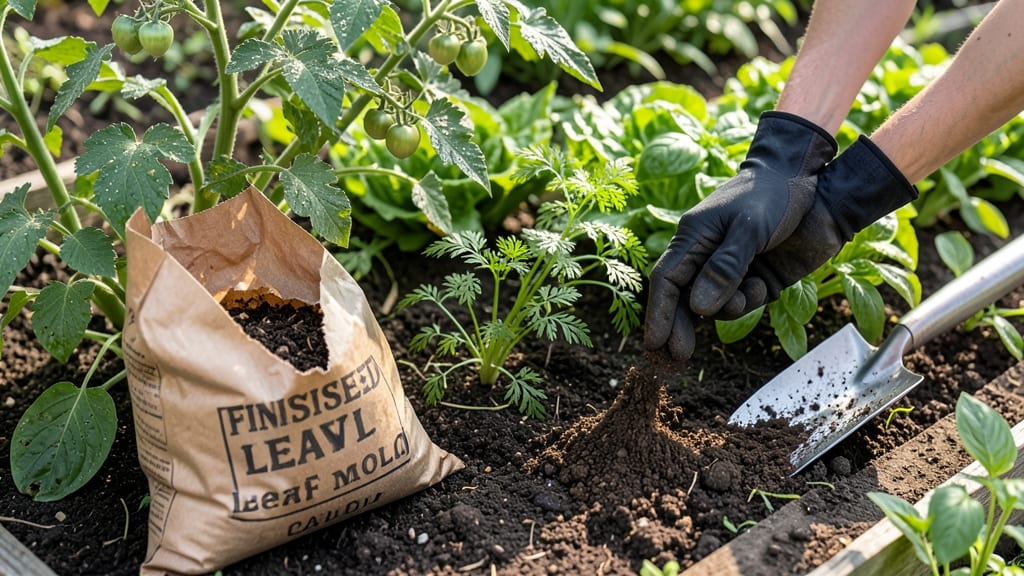
Leaf compost is good for vegetable gardens once fully decomposed, as it boosts soil fertility with organic matter and improves water retention, but it may temporarily reduce nitrogen levels and introduce weed seeds if not properly aged.
Leaf compost is good for vegetable gardens when properly aged because its high carbon content initially slows microbial activity, creating a "cold" compost that can tie up nitrogen in the soil. 🌱 Once fully decomposed—usually after 6-12 months—it transforms into a nutrient-rich amendment that supports root development and microbial life essential for vegetable growth.
The key is balancing it with nitrogen sources like grass clippings or manure during the composting process to prevent nutrient competition with your plants.
For vegetable gardens, I recommend mixing leaf compost with existing soil rather than using it as a top dressing. This helps integrate its benefits while minimizing weed seed germination risks.
Root vegetables like carrots and potatoes particularly thrive with leaf compost's improved soil structure, while leafy greens benefit from its gradual nutrient release.
💡 In This Article
- How Leaf Compost Affects Soil Fertility in Vegetable Gardens
- Safe Leaf Composting Practices for Vegetable Garden Success
How leaf compost affects soil fertility in vegetable gardens
Leaf compost works wonders for vegetable gardens because of its unique carbon-to-nitrogen ratio, which typically ranges from 40:1 to 80:1. This high carbon content means the decomposition process initially consumes more nitrogen than it releases, creating what gardeners call a "nitrogen sink."
During this phase, beneficial microbes break down the cellulose and lignin in leaves, but they need extra nitrogen to do so efficiently. 🌿 Without proper nitrogen sources mixed in (like grass clippings or manure), your vegetable plants might show signs of stress like yellowing leaves during this transition period.
The magic happens once leaf compost reaches maturity—usually after 6-12 months of proper composting. At this stage, the carbon-to-nitrogen ratio drops to a more balanced 20:1 to 30:1, making it an excellent soil amendment.
The decomposed material improves soil structure by increasing porosity, which enhances root penetration and water infiltration. Studies show that gardens amended with leaf compost can retain 30-50% more moisture than untreated soil, reducing irrigation needs by up to 25%.
This moisture retention is particularly valuable for drought-sensitive vegetables like tomatoes and peppers.
What makes leaf compost especially beneficial for vegetables is its ability to slowly release nutrients over time. Unlike synthetic fertilizers that provide immediate but short-lived boosts, leaf compost feeds soil microbes that continuously break down organic matter, creating a sustainable nutrient cycle.
The humus formed during decomposition contains essential trace minerals like potassium and phosphorus that vegetables need for strong stems and fruit development.
For example, adding 2-3 inches of aged leaf compost to your garden beds before planting can improve carrot yields by 20% due to better soil aeration and nutrient availability.
However, there's a catch: fresh leaf compost can harbor weed seeds and pathogens that may harm your vegetable plants. The decomposition process kills most weed seeds, but some hardy varieties like dandelions can survive.
To minimize risks, always use leaf compost that has reached 140-160°F during the composting process—a temperature that effectively sterilizes most contaminants. You can test readiness by checking if the compost feels dark, crumbly, and smells earthy rather than sour or musty.
For vegetable gardens, the ideal application rate is 1-2 inches mixed into the top 6 inches of soil before planting. This integration helps prevent nutrient competition between your vegetables and the composting microbes.
Leafy greens like spinach and kale benefit particularly well from leaf compost's gradual nutrient release, while root vegetables such as beets and radishes thrive in its improved soil structure.
The key is patience—rushing the composting process can lead to poor results, but with proper aging, leaf compost becomes one of the most valuable amendments for vegetable garden success. 🌱
Consider this comparison: while fresh leaves have a carbon-to-nitrogen ratio of 80:1, fully decomposed leaf compost drops to 20:1, making it much more plant-friendly.
This transformation explains why aged leaf compost is often called "black gold" in gardening circles—it's a testament to how proper decomposition turns garden waste into a premium soil enhancer.