I’ve always found solace in the dirt—whether it was sneaking tomatoes from my neighbor’s garden as a kid or helping my grandpa coax life out of stubborn seeds. This site is where I share the lessons I’ve learned from both successes and spectacular failures. My goal? To make gardening feel less like a chore and more like a conversation with the earth.
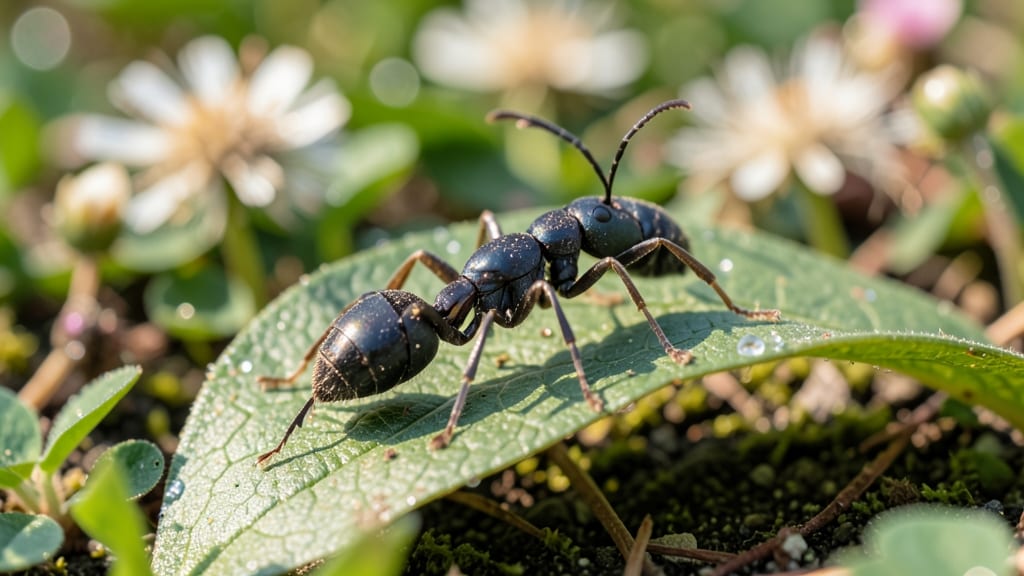
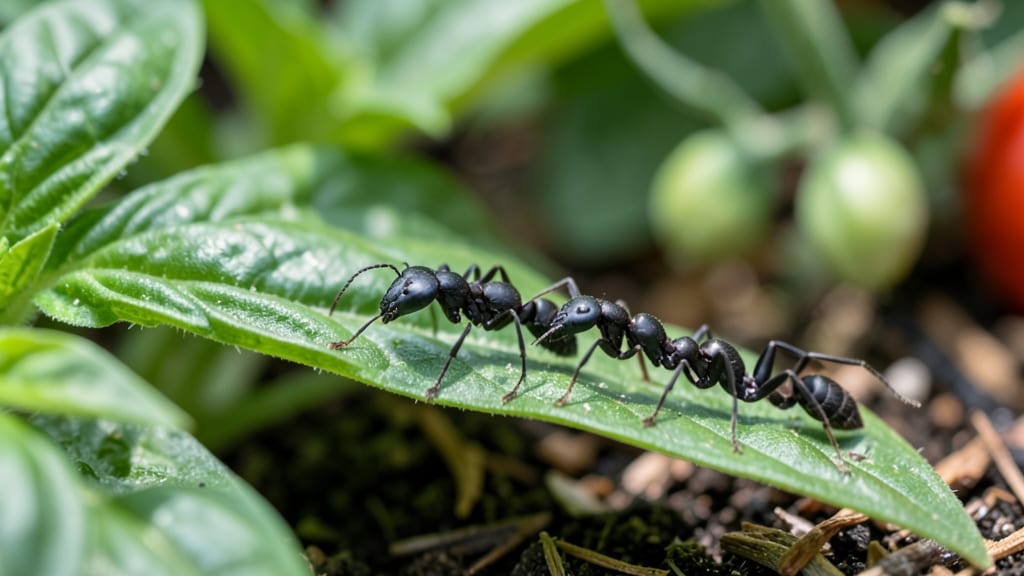
💥 Quick Answer Are ants okay in the garden? Most ants are harmless or even helpful, as they improve soil aeration, prey on garden pests like aphids, and break down organic matter—but some species can damage plants or…
💥 Quick Answer Ants in the garden are generally okay and often beneficial, as they aerate soil, control pests like aphids, and disperse seeds. However, certain species may damage plants or create unsightly mounds…
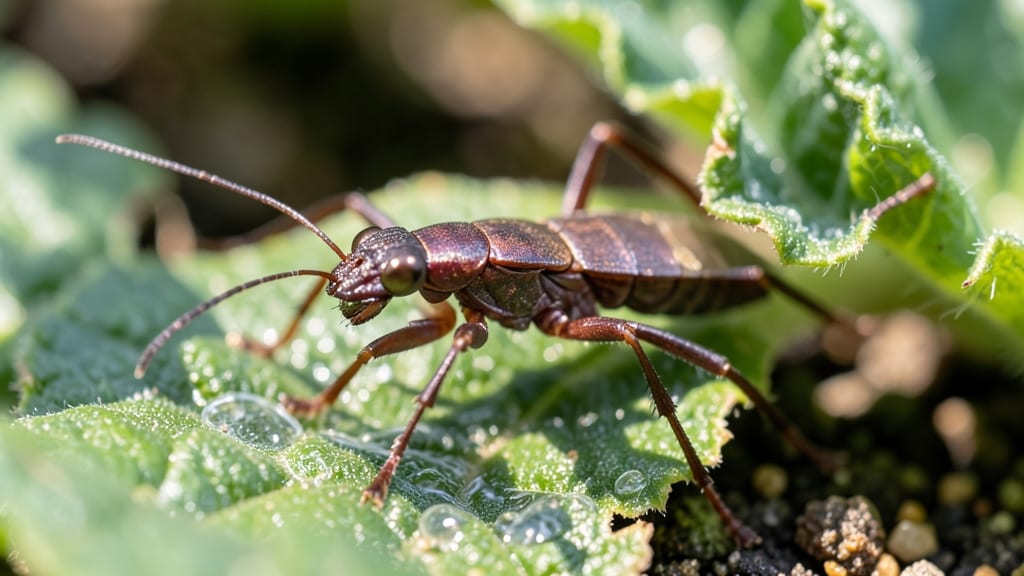
💥 Quick Answer Earwigs aren't inherently bad for the garden—they mostly munch on decaying leaves, fungi, and aphids, but can nibble young plant growth if their numbers spiral out of control. Most gardeners only need to…
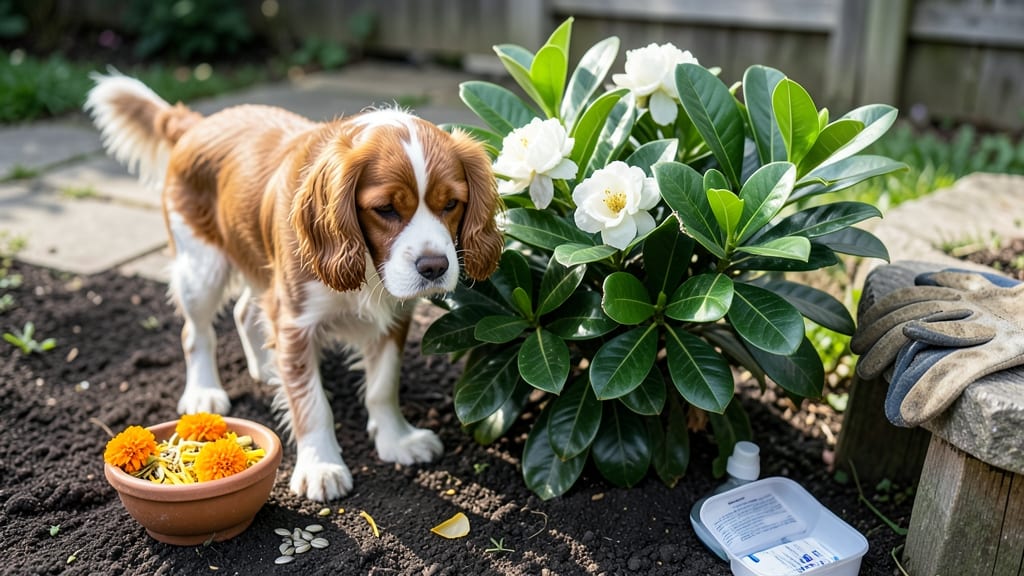
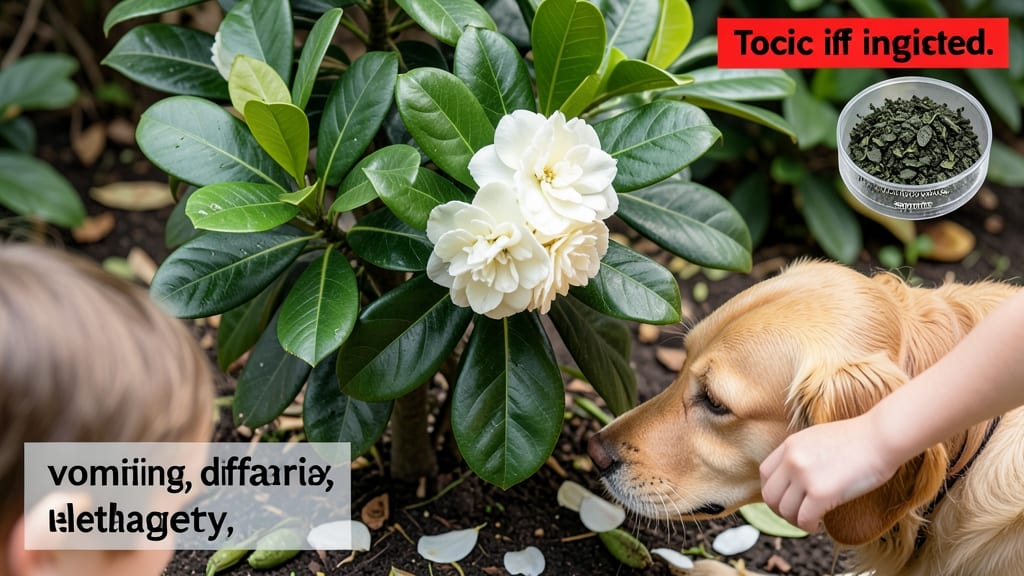
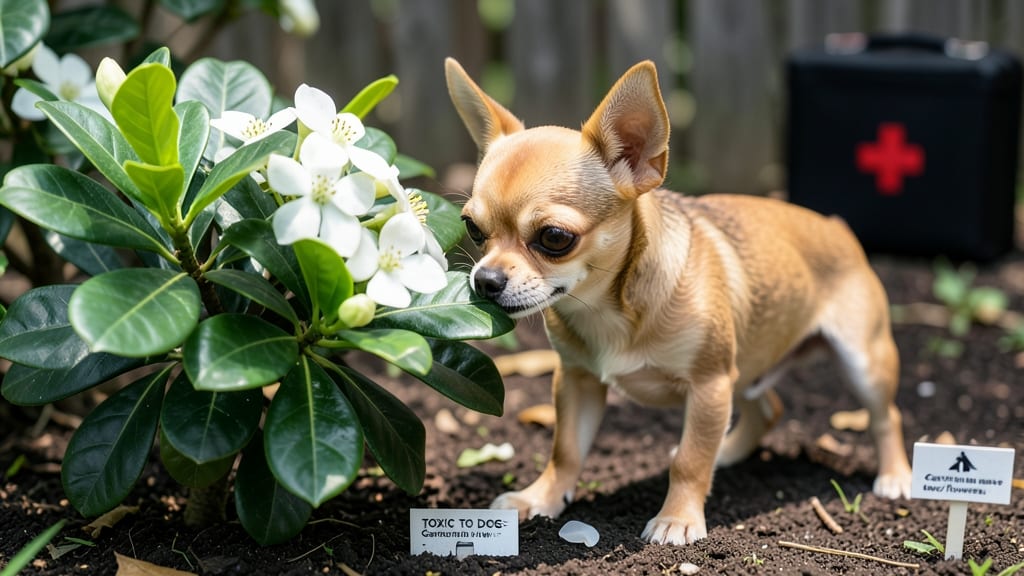
💥 Quick Answer Gardenia plants are poisonous to dogs, containing toxic compounds like saponins and glycosides that can cause vomiting, diarrhea, and excessive drooling if ingested. Immediate veterinary care is…
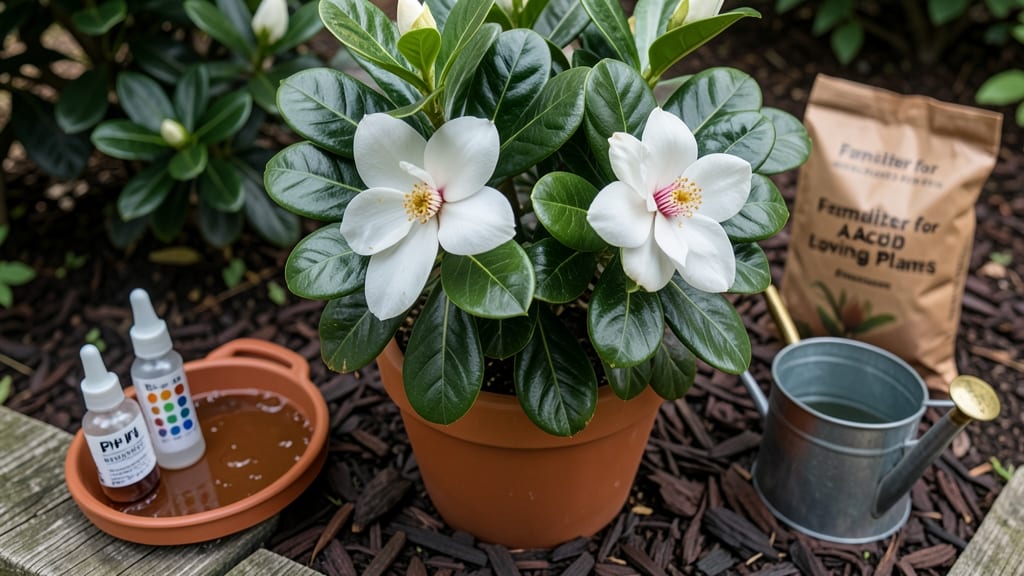
💥 Quick Answer Gardenias are hard to grow because they need precise conditions: acidic soil (pH 5.0-6.5), partial shade, and careful moisture control, plus protection from frost and pests while waiting for blooms…
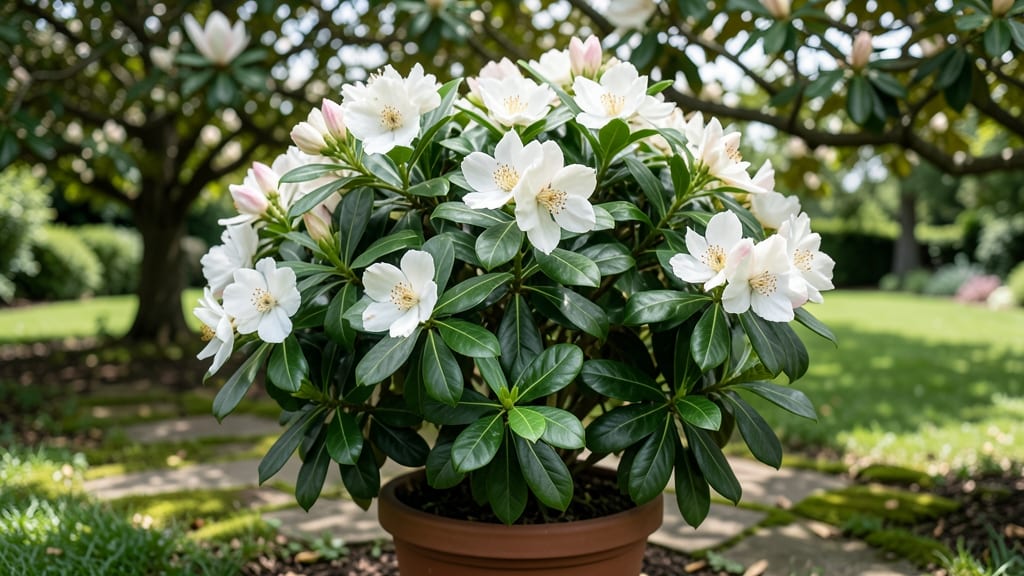
💥 Quick Answer Whether gardenias are perennials or annuals depends on your climate: they thrive as perennials in frost-free zones (USDA Zones 8-11) but die back completely in colder regions, where they’re often grown as…
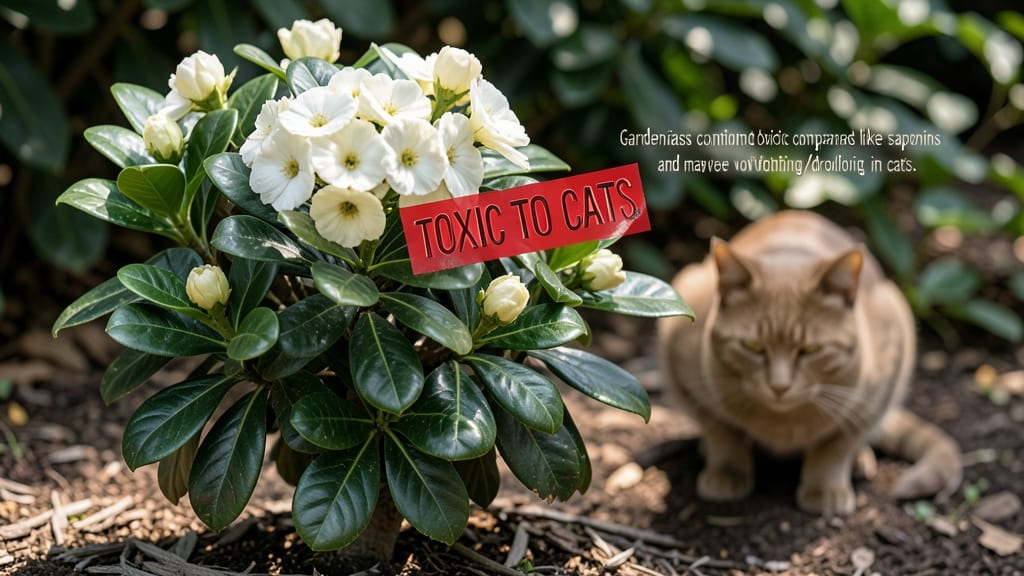
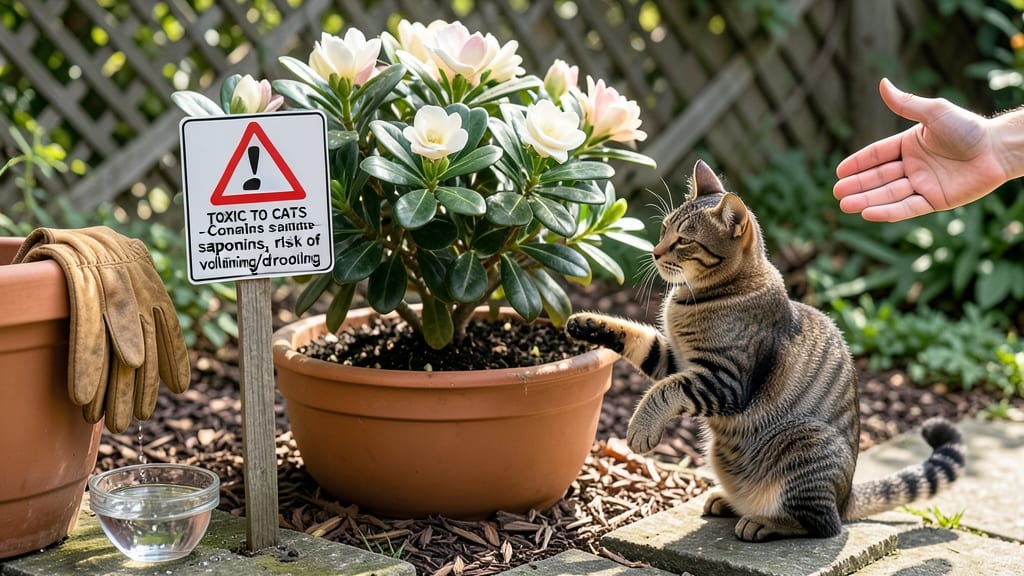
💥 Quick Answer Gardenias are poisonous to cats because their flowers and leaves contain harmful glycosides and saponins that trigger vomiting, drooling, and lethargy when ingested. Exposure to these compounds requires…
💥 Quick Answer Gardenias are poisonous to pets and humans, containing toxic compounds like gardenin and amygdalin in leaves, flowers, and stems. Ingestion can cause vomiting, diarrhea, and skin irritation, while severe…
💥 Quick Answer Gardenias are toxic to cats because their leaves, flowers, and stems contain saponins and other irritating compounds that trigger vomiting, excessive drooling, and weakness when chewed or swallowed…
💥 Quick Answer Gardenias are toxic to dogs because their leaves, flowers, and stems contain saponins and other irritants that can trigger vomiting, diarrhea, and excessive drooling if ingested. If your dog shows signs…