
Pests
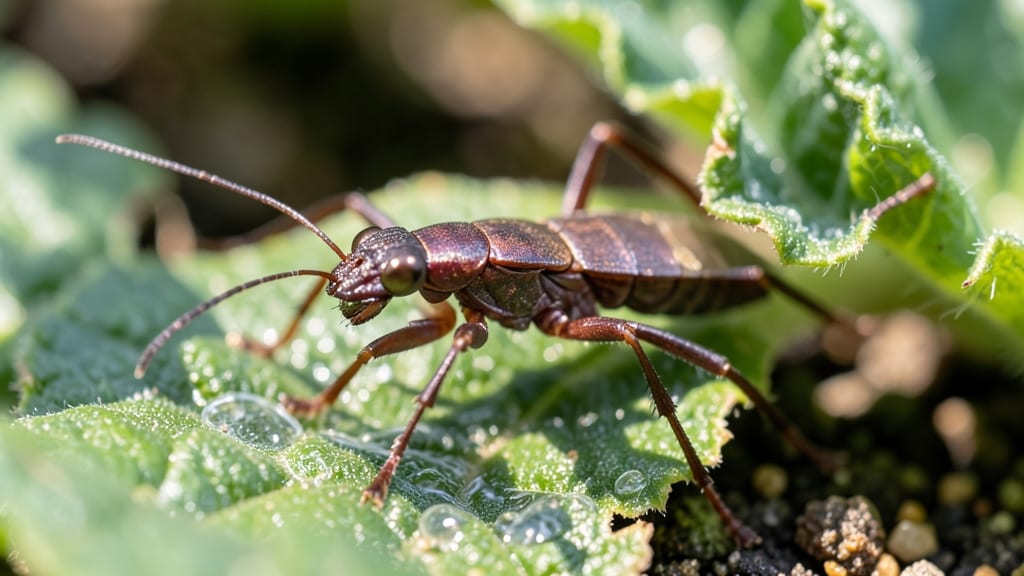
Earwigs aren't inherently bad for the garden—they mostly munch on decaying leaves, fungi, and aphids, but can nibble young plant growth if their numbers spiral out of control. Most gardeners only need to act when infestations become visible, using gentle methods like diatomaceous earth or habitat adjustments.
These nocturnal critters actually play a helpful role in breaking down organic matter, which enriches your soil naturally. 🌱 The real issue arises when they cluster in large groups, often drawn to moist, shaded areas where they may chew tender leaves or flowers.
I've found that most gardeners only notice them when they start appearing in indoor spaces during warm evenings—a sign their outdoor habitat is overcrowded.
Unlike aggressive pests, earwigs rarely cause lasting damage, but their presence can be annoying. The key is monitoring their activity rather than assuming they're always destructive. For example, while they might nibble a few petals, they won't devastate a mature plant like squash bugs would.
Their true value comes in controlling soft-bodied pests like aphids and mites, making them a double-edged situation in garden ecosystems.
💡 In This Article
- What Earwigs Eat and Their Actual Impact on Plants
- Natural Ways to Deter Earwigs Without Harming Your Garden
What earwigs eat and their actual impact on plants
Earwigs are primarily detritivores, meaning they thrive on decaying organic matter like fallen leaves, dead plant tissue, and compost. Their diet includes fungi, algae, and even small insects like aphids, which makes them beneficial for natural pest control.
Studies show they consume up to 20-30% of their body weight daily in organic debris, helping break it down into nutrient-rich soil. This process mimics the work of earthworms but on a smaller scale, contributing to a healthier garden ecosystem.
The real concern arises when earwig populations explode, often due to excessive moisture or dense mulch layers. In these cases, they may turn to living plant material, particularly young leaves, flowers, and tender stems.
Their pincers aren't strong enough to damage mature plants, but they can create noticeable holes in delicate petals (like roses or dahlias) or chew the edges of broadleaf vegetables such as lettuce or spinach. The damage typically appears as irregular, jagged notches rather than clean cuts from chewing insects.
What most gardeners don't realize is earwigs' predatory side—they actively hunt soft-bodied pests like aphids, mites, and even small caterpillars. A single earwig can consume 5-10 aphids per night, making them valuable allies in integrated pest management.
Their nocturnal habits mean they're rarely seen during the day, but their presence is often detected by the chewed leaves or silk trails they leave behind, especially in shaded, humid areas.
Overpopulation becomes problematic when earwigs invade homes or greenhouses, seeking shelter during the day. This usually happens in late summer when they're searching for cooler, moist environments. While they don't bite humans, their droppings can stain surfaces, and their collective presence can be unsettling.
The key threshold is typically 10-15 earwigs per square foot—below this number, they're generally beneficial; above it, they may require intervention.
Interestingly, earwigs play a unique role in seed dispersal. Some species consume fruit and vegetable seeds, then excrete them in different locations, potentially aiding plant propagation. This behavior is more common in wild ecosystems but can occasionally occur in home gardens with abundant fruit-bearing plants.
Their contribution to soil aeration through tunneling also improves water penetration and root growth in compacted soil.
To determine if earwigs are causing actual harm, examine plants for specific patterns of damage—earwigs rarely create extensive holes or skeletonize leaves like caterpillars do. Instead, look for superficial notches or chewed petals, which are their signature.
If you find these signs, it's time to assess moisture levels and consider gentle deterrents rather than assuming they're destructive pests.