
Orchid Care
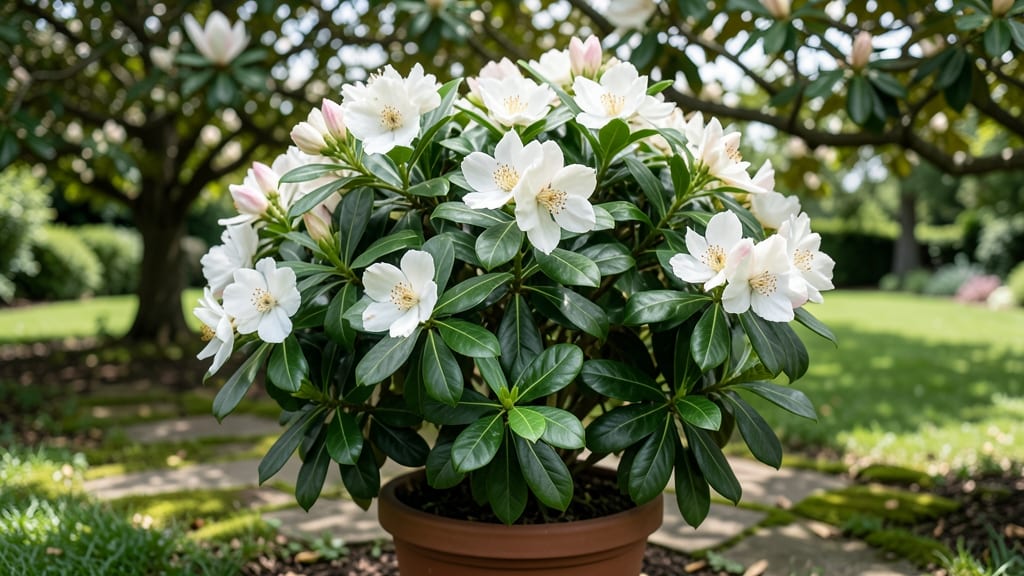
Whether gardenias are perennials or annuals depends on your climate: they thrive as perennials in frost-free zones (USDA Zones 8-11) but die back completely in colder regions, where they’re often grown as annuals. With proper care, their roots survive underground even in colder areas, allowing regrowth from cuttings or dormant roots when conditions improve.
Gardenias naturally behave as perennials because their root systems are surprisingly hardy—even when above-ground growth freezes in USDA Zones 7 and below. 🌿 The key difference lies in how they handle winter: in warm climates, they maintain their lush, evergreen foliage year-round, while in colder areas, gardeners often prune them back to the ground and treat them as seasonal plants.
Interestingly, many gardeners in marginal zones successfully revive their gardenias by taking cuttings in early spring or using thick mulch to protect the roots through winter. This adaptability makes them a favorite for both southern landscapes and container gardening in cooler regions.
What sets gardenias apart from true annuals is their ability to regenerate from roots or cuttings, even after frost damage. This means that while they may not survive winter outdoors in colder climates, they can often be propagated and replanted the following season.
For gardeners in Zones 7-8, this becomes a strategic decision—whether to risk overwintering with protection or treat them as temporary summer bloomers.
💡 In This Article
- How Climate Zones Determine Gardenia Longevity
- Reviving Gardenias After Frost: Pruning and Overwintering Tips
How climate Zones determine gardenia longevity
Gardenias thrive as perennials in USDA Zones 8-11 because their root systems can withstand temperatures down to 10°F, while their tender foliage needs protection above 20°F.
The critical threshold lies in how frost affects different plant parts: roots remain dormant but viable, while above-ground growth succumbs to 28°F or lower. This creates a paradox—gardenias can survive winter underground but die back above, making them behave like perennials in warm climates and annuals in colder ones.
The science behind this involves their tropical origins. Gardenias evolved in frost-free regions where consistent warmth allows year-round growth.
However, their root systems developed a surprising resilience—capable of storing energy in rhizomes (underground stems) to fuel regrowth when conditions improve. 🌱 In Zones 7-8, gardeners often see this firsthand: plants may appear dead after winter, but new shoots emerge from the roots by late spring.
What changes between zones is the balance of risk versus reward. In Zones 8-11, gardenias maintain their lush, glossy leaves and fragrant blooms continuously, while in Zones 7 and below, gardeners must choose between protecting plants (with mulch or containers) or accepting they'll need replanting annually.
The 30°F line acts as a natural divider—below this, even protected gardenias often suffer irreversible damage to their root crowns.
Consider this comparison: A gardenia in Florida (Zone 10) grows as a 6-foot evergreen shrub year-round, while one in Ohio (Zone 6) might only reach 3 feet if overwintered in containers.
The difference isn't just size—it's survival strategy. Southern gardenias rely on natural hardiness, while northern ones depend entirely on human intervention to persist through winter.
Here's what most gardeners miss: The plant's ability to regenerate isn't just about roots—it's about timing. Gardenias in marginal zones need 6-8 weeks of consistent warmth above 50°F to break dormancy. This explains why late frosts in spring can still kill back new growth, even after roots survived winter.
The 10°F root hardiness rating becomes meaningless if the plant can't complete its growth cycle before autumn chills return.
For those in Zones 7-8, the decision often comes down to practicality. A potted gardenia moved to an unheated garage might survive winter but produce fewer blooms the following season.
Meanwhile, a gardenia left in the ground with 4-6 inches of mulch might regrow but take 3-4 weeks longer to flower. The trade-offs between effort and results create the annual-perennial spectrum we observe.