
Pests
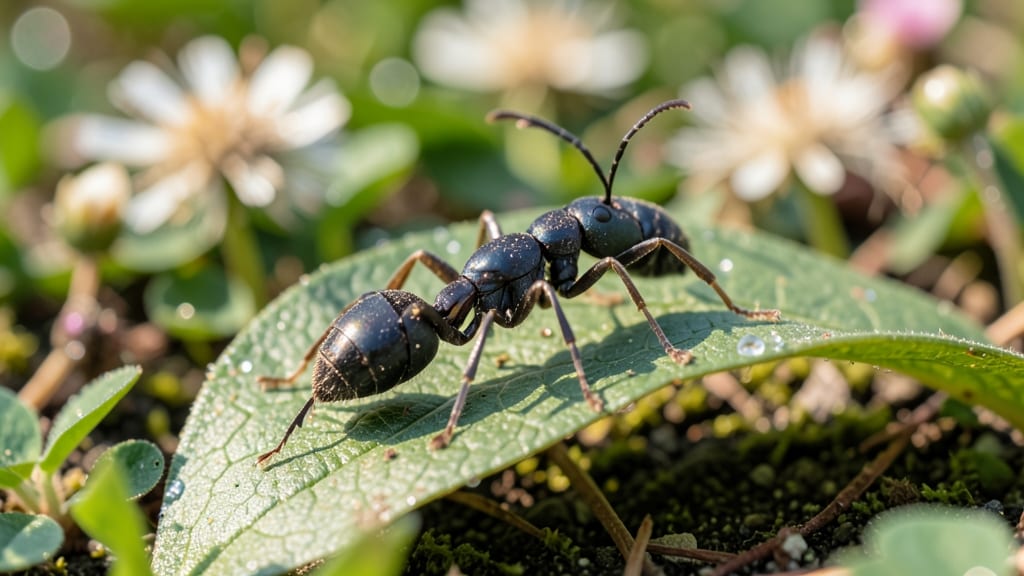
Are ants okay in the garden? Most ants are harmless or even helpful, as they improve soil aeration, prey on garden pests like aphids, and break down organic matter—but some species can damage plants or attract more aggressive pests. Knowing which types you have determines whether to leave them alone or intervene.
Most garden ants are actually beneficial little workers. 🌱 They till the soil as they dig tunnels, which improves drainage and nutrient distribution for your plants. Plus, they act as natural pest control by hunting soft-bodied insects like aphids and mites.
The key is identifying the species—harvester ants, for example, are great for breaking down tough plant debris, while pavement ants rarely cause issues. However, species like fire ants or Argentine ants can harm roots or create mounds that disrupt plant growth, so it's worth learning to spot the difference.
If you decide ants are becoming a nuisance, there are plenty of natural ways to manage them without chemicals. Simple solutions like sprinkling diatomaceous earth around entry points or using vinegar sprays can disrupt trails and populations.
I've found that cinnamon or citrus peels work well as barriers too—just place them near ant highways. The best time to act is during dry spells when ants are more active, but always check which plants might be affected first.
💡 In This Article
- Beneficial vs Harmful Ant Species in Gardens
- Natural Ways to Manage Problematic Ants Without Chemicals
Beneficial vs harmful ant species in gardens
Ants play a dual role in gardens, acting as both tiny ecosystem engineers and occasional troublemakers. The most helpful species are those that improve soil structure and suppress pests.
For instance, harvester ants (like Pogonomyrmex spp.) dig extensive tunnel systems that aerate compacted soil, allowing water and roots to penetrate more easily. Their foraging habits also break down organic matter, enriching the soil with nutrients.
Meanwhile, carpenter ants (Camponotus spp.) primarily target dead wood, but their presence can sometimes indicate moisture issues in garden structures like wooden planters.
On the flip side, fire ants (Solenopsis spp.) are notorious for their aggressive behavior and painful stings, but their real damage comes from mounding behavior that disrupts plant roots and creates unsightly, barren patches. Argentine ants (Linepithema humile) form supercolonies that can overwhelm plants by tending to sap-sucking pests like mealybugs while protecting them from natural predators.
Even seemingly harmless pavement ants (Tetramorium spp.) can become nuisances when they invade homes or create trails that deter beneficial insects like pollinators.
The key difference lies in their ecological roles: beneficial ants like field ants (Formica spp.) actively hunt garden pests, while problematic species often disrupt the balance. For example, harvester ants consume up to 10,000 aphids per day—a natural service worth preserving.
In contrast, fire ants can reduce plant growth by 30-50% in severely infested areas through their mound-building and chemical warfare with other species. 🔥 Understanding these behaviors helps gardeners decide whether to welcome ants or implement targeted controls.
Visual identification is your best tool. Beneficial ants typically have segmented bodies with clear waist constrictions and are most active during daylight hours. Harmful species often exhibit aggressive defense postures, like fire ants forming a "ball" when threatened, or Argentine ants moving in dense, fast-moving trails.
A simple magnifying glass can reveal these differences—look for head shape, antenna structure, and body color patterns to make accurate distinctions.
Seasonal patterns also provide clues. Most beneficial ants are active during warm months when they're controlling pests, while nuisance species may persist year-round in mild climates.
For example, harvester ants peak in summer when they're most effective at aphid control, while Argentine ants thrive in temperatures above 75°F and can become problematic during heatwaves. This timing helps explain why some ants are welcome guests during certain seasons but unwelcome intruders at others.
Consider the plant perspective too. Root-feeding ants like cornfield ants (Lasius neoniger) can damage young seedlings, while trail-blazing species may disrupt beneficial mycorrhizal fungi that help plants absorb nutrients.
The solution often lies in creating a garden that supports the good guys while naturally discouraging the bad—like planting native ground covers that attract beneficial ants while making the environment less hospitable to aggressive species.