
How To
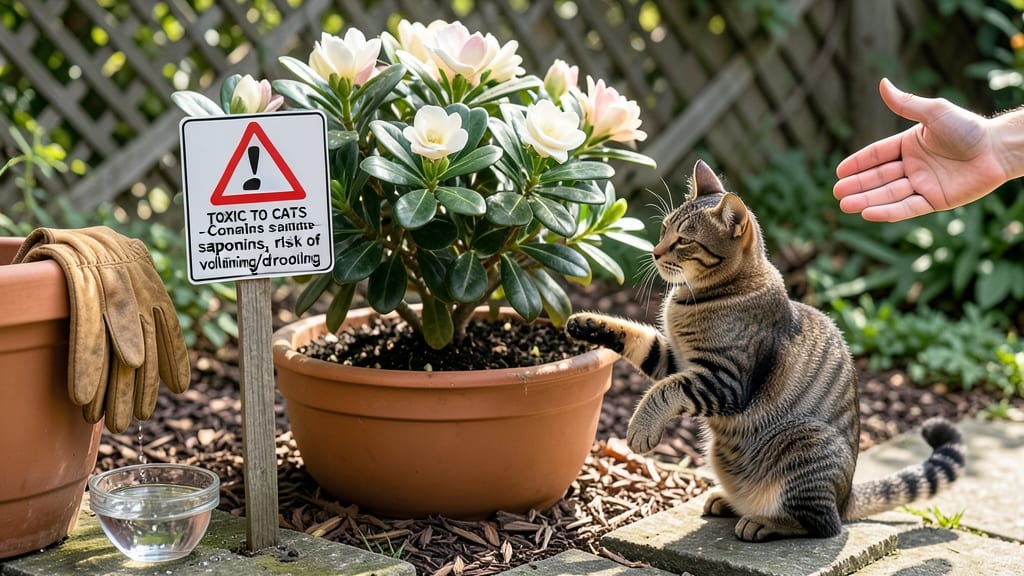
Gardenias are toxic to cats because their leaves, flowers, and stems contain saponins and other irritating compounds that trigger vomiting, excessive drooling, and weakness when chewed or swallowed. Remove these plants from your home immediately and contact your vet if you suspect ingestion.
Gardenias contain natural compounds called saponins, which act like mild detergents in your cat's digestive system, causing irritation and gastrointestinal upset. 🐱 Even small nibbles can lead to symptoms like diarrhea or lethargy, though severe reactions are rare.
The fragrant blooms might tempt curious cats, so I always recommend replacing them with safer options like spider plants or Boston ferns, which offer similar visual appeal without the health risks.
If you notice your cat showing signs of distress after potential exposure, don't wait—veterinary care can make all the difference. Many pet owners keep pet-safe alternatives in their gardens specifically to avoid these kinds of emergencies.
The key is acting fast and having a backup plan for your feline friends' safety.
💡 In This Article
- Toxic Compounds in Gardenias and Their Effects on Feline Health
- Cat-Safe Garden Alternatives with Similar Beauty and Fragrance
Toxic compounds in gardenias and their effects on feline health
Gardenias contain multiple toxic compounds that specifically target a cat's delicate systems. The primary culprit is saponins, which make up about 1-3% of the plant's dry weight in leaves and flowers.
These compounds act like natural soaps, creating foam when mixed with bodily fluids and causing severe irritation to the mouth, throat, and digestive tract. When ingested, saponins trigger an immediate immune response, leading to inflammation and the classic symptoms of vomiting and diarrhea.
The plant also contains glycosides, particularly amygdalin, which breaks down into cyanide—a compound that disrupts cellular respiration. While gardenias contain lower levels of cyanide than some other plants (like cherry pits), even small amounts can be dangerous for cats due to their smaller body size.
For example, a 10-pound cat might experience noticeable symptoms after consuming just 0.5 ounces of gardenia leaves, while a 15-pound cat could show effects from 0.75 ounces. The severity depends on the plant part ingested—flowers are less toxic than leaves or stems, but all parts pose risks.
Beyond digestive issues, gardenias can affect a cat's nervous system. The plant's essential oils contain limonene and linalool, which act as mild neurotoxins when concentrated in a cat's system. These compounds can cause lethargy, weakness, or even tremors in severe cases.
The fragrant aroma that makes gardenias appealing to humans can actually be overwhelming for cats, whose sense of smell is 14 times more sensitive than ours. This heightened sensitivity means even the scent of gardenias can trigger respiratory irritation or stress.
What makes gardenias particularly insidious is how their toxicity compounds escalate. The initial vomiting can lead to dehydration, while the digestive irritation may cause secondary issues like loss of appetite.
In rare cases, prolonged exposure or large ingestions can result in kidney damage due to the combined effects of saponins and glycosides. This is why even seemingly minor exposure warrants veterinary attention—what starts as a small stomach upset can quickly escalate into a serious medical situation.
To put this into perspective, consider how gardenias compare to other common toxic plants. While lilies are far more deadly (often fatal in cats), gardenias fall into the "moderate toxicity" category—similar to poinsettias or aloe vera.
The key difference is that gardenias' effects are more immediate and gastrointestinal-focused, making them particularly dangerous for cats that might graze on them while exploring. The plant's glossy leaves and sweet scent make them especially tempting to curious felines, increasing the likelihood of ingestion.
If you're wondering how to recognize the signs of gardenia toxicity in your cat, watch for these red flags: excessive drooling (often with foam), repeated vomiting, hiding behavior, or sudden loss of coordination. These symptoms typically appear within 6-12 hours of ingestion, giving you a narrow window to act.
The good news is that with prompt veterinary care, most cats recover fully—proving that prevention through pet-safe alternatives is always the best strategy.