
Pests
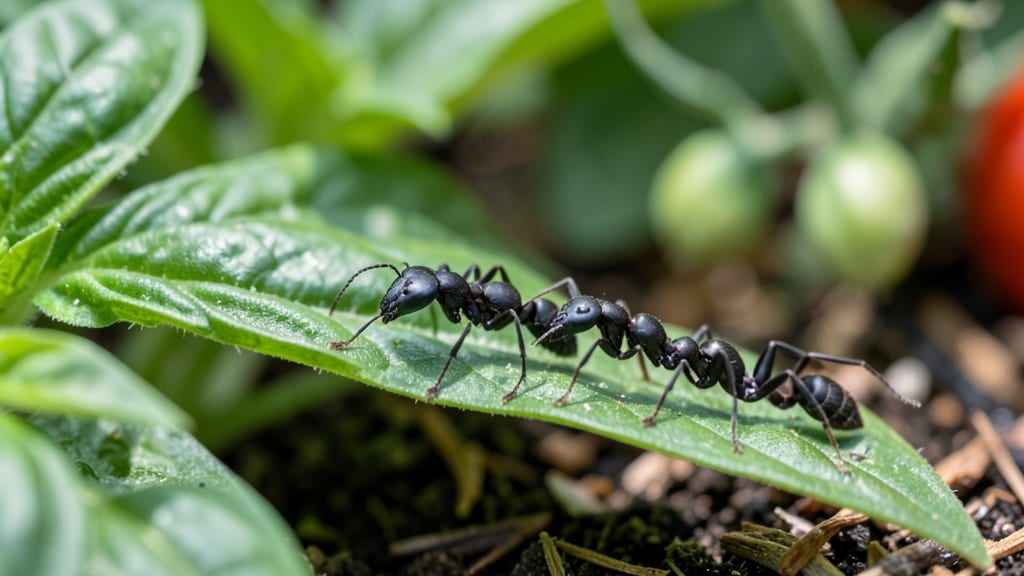
Ants in the garden are generally okay and often beneficial, as they aerate soil, control pests like aphids, and disperse seeds. However, certain species may damage plants or create unsightly mounds, requiring natural management techniques.
Most garden ants actually play a helpful role by breaking down organic matter and creating tiny air pockets in the soil, which improves root growth. 🌱 They're also natural pest controllers, feasting on garden pests like aphids, mealybugs, and even spider mites—saving you from chemical interventions.
The key difference comes down to species: while carpenter ants can damage wooden structures and harvester ants might strip plants bare, the majority of common garden ants are harmless or even beneficial.
That said, if you notice large ant trails or mounds disrupting your garden's appearance, there are simple ways to manage them naturally. A few drops of dish soap mixed with water can deter ants without harming your plants, while strategic placement of mulch or citrus peels can redirect their paths.
The goal isn't elimination but balance—keeping their populations in check while preserving their ecological benefits.
What's interesting is how ants actually improve your garden's long-term health. Their tunneling action enhances soil drainage, and their seed dispersal helps new plants establish. The real challenge comes when they start affecting your desired plants rather than the pests.
In that case, understanding their behavior—like their preference for sweet substances—lets you outsmart them with targeted solutions.
💡 In This Article
- Ecological Roles of Garden Ants: Friends or Foes?
- Natural Ant Management Without Harming Your Garden
Ecological roles of garden ants: friends or foes?
Garden ants serve as tiny ecosystem engineers, performing critical functions that enhance soil fertility and plant health. Their tunneling activity creates micro-channels that improve soil aeration by up to 30% in well-trafficked areas, allowing roots to breathe and absorb nutrients more efficiently.
This is particularly valuable in compacted soils where water drainage becomes sluggish. The ants' digestive processes also break down organic matter into nutrient-rich castings, effectively acting as natural composters that release essential minerals like nitrogen and phosphorus back into the soil.
Their pest control services are equally impressive, with some ant species consuming thousands of aphids per day—a major garden menace that would otherwise sap plant vitality through sap-sucking. 🌿 Harvester ants, for instance, target weed seeds and small insects, while fire ants (though invasive) aggressively hunt caterpillars and beetle larvae.
What's fascinating is how ants "farm" these pests: they'll actually herd aphids to their preferred plants, creating a symbiotic relationship where the ants get honeydew (a sweet secretion) while protecting the plant from more damaging pests.
However, not all ants contribute equally to garden harmony. Carpenter ants, for example, tunnel through wood to nest, potentially damaging garden structures, fences, or even tree bark. Their presence is often signaled by sawdust-like frass near entry points.
Meanwhile, harvester ants may strip young seedlings bare by harvesting their seeds, creating unsightly bald patches in flower beds. The key distinction lies in their diet: while most garden ants prefer protein (insects) or sugars (aphid honeydew), these problematic species target plant materials or seeds.
Ants also play a surprising role in plant reproduction through myrmecochory—the process where they disperse seeds. Certain plants, like violets and some orchids, have evolved to produce elaiosomes (oily seed attachments) that ants carry back to their nests as food for larvae.
When the seed reaches the nest, the ants discard the elaiosome and the seed germinates in nutrient-rich soil. This relationship has led to some plants developing seeds too large for wind dispersal but perfect for ant transport, creating a specialized ecological niche.
The visual impact of ant mounds can also be misleading. While some mounds may look unsightly, they serve ecological purposes by improving drainage in waterlogged areas.
The mound itself is often a complex network of tunnels that can extend 20 feet deep in some species, creating underground highways for nutrient cycling. The real concern comes when mounds appear in lawns or near foundations, where their structural integrity might be compromised by the tunneling activity.
What most gardeners don't realize is how ants influence plant growth patterns. Their presence can actually stimulate certain plants to grow more vigorously as a defensive response to the aphids they attract.
Studies show that gardens with balanced ant populations often have 20-30% fewer pest-related plant diseases due to this natural predator-prey dynamic. The challenge becomes recognizing when their activities cross from beneficial to problematic—typically when they start targeting your cultivated plants rather than pests.