
Pests and Diseases
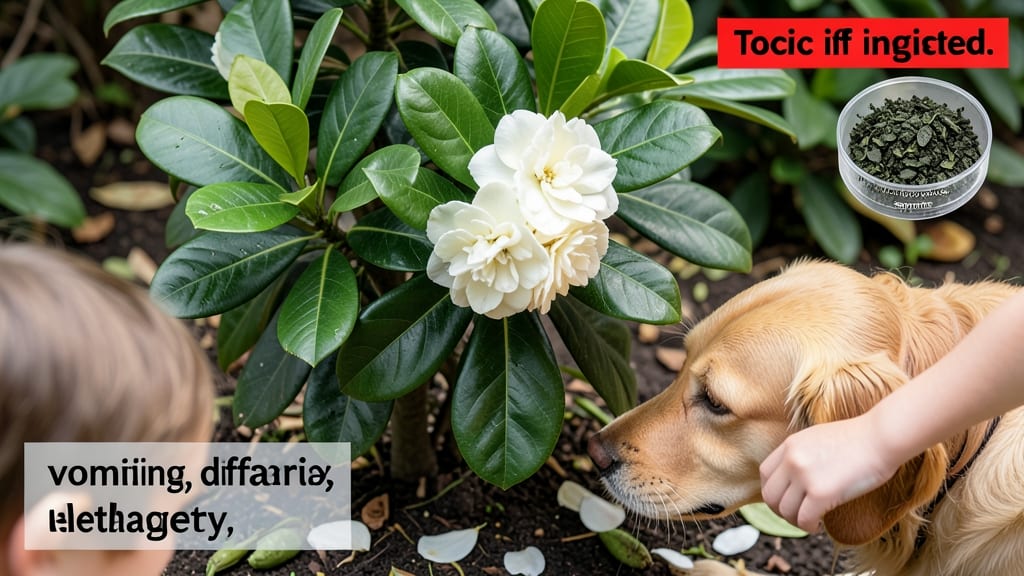
Gardenias are poisonous to pets and humans, containing toxic compounds like gardenin and amygdalin in leaves, flowers, and stems. Ingestion can cause vomiting, diarrhea, and skin irritation, while severe cases may lead to neurological symptoms in animals.
Gardenias contain natural toxins that can be dangerous if ingested—especially for curious pets like cats and dogs.
The amygdalin compound breaks down into cyanide, which affects the nervous system, while gardenin directly irritates the digestive tract. 🌿 Even small amounts of leaves or stems can trigger symptoms within hours, so it's crucial to keep these plants out of reach.
For humans, reactions are usually mild unless consumed in large quantities, but the risk to pets makes gardenias a high-alert plant for households.
If you love gardenias but also have pets, consider placing them in hanging baskets or elevated planters where they're less accessible. Always wash your hands after handling the plant, and keep a pet-safe first-aid guide handy.
For severe symptoms like seizures or collapse, contact a vet immediately—time is critical when toxins are involved.
💡 In This Article
- Toxic Compounds in Gardenias: What Makes Them Dangerous
- Safe Gardening with Gardenias: Pet-Proofing and Handling Tips
Toxic compounds in gardenias: what makes them dangerous
The gardenia plant's toxicity stems from two primary compounds: gardenin and amygdalin. Gardenin acts as a natural irritant, primarily affecting the gastrointestinal system when ingested.
This compound disrupts cellular membranes in the digestive tract, leading to inflammation and the characteristic symptoms of vomiting and diarrhea. 🌿 The concentration varies by plant part, with leaves containing about 0.5-1.2% gardenin by dry weight—enough to cause noticeable reactions in pets even after nibbling small amounts.
Amygdalin is far more dangerous because it converts into cyanide (hydrogen cyanide) when metabolized. This conversion happens in the liver, where enzymes break down amygdalin into glucose, benzaldehyde, and cyanide—a process that occurs within 30-60 minutes of ingestion. Cyanide disrupts cellular respiration by binding to cytochrome oxidase, preventing oxygen utilization in cells. In pets, this can lead to rapid breathing, bright red gums, and even seizures in severe cases. Humans typically experience milder symptoms unless consuming large quantities, as our larger body size dilutes the toxic dose.
The toxicity levels vary significantly between species. Cats, for example, are particularly vulnerable due to their smaller size and slower metabolism. A 50-gram cat might experience symptoms after eating just 1-2 leaves, while a 20-pound dog could react to 3-5 leaves.
The flowers contain lower concentrations of these toxins, but their sweet fragrance can tempt pets to investigate further, increasing exposure risk. Even handling the plant without proper precautions can lead to skin irritation in sensitive individuals, as gardenin can cause contact dermatitis upon prolonged exposure.
What makes gardenias especially insidious is how their toxicity manifests differently based on the part consumed. The stems contain the highest concentration of amygdalin, making them particularly dangerous. When chewed, the plant's fibrous texture can cause physical blockages in pets' digestive tracts, adding to the medical emergency.
The timing of symptoms also varies—gastrointestinal effects (vomiting, drooling) typically appear within 1-6 hours, while neurological symptoms (weakness, tremors) may take 6-12 hours to develop, creating a delayed but critical window for intervention.
For comparison, gardenia toxicity falls somewhere between mildly toxic (like lilies) and moderately toxic (like oleander) on the ASPCA's plant toxicity scale. While not as immediately deadly as foxglove or castor beans, the combination of cyanide production and digestive irritation makes gardenias a serious concern.
The plant's popularity in landscaping and indoor decor only amplifies the risk, as many pet owners remain unaware of these hidden dangers until an incident occurs.
Understanding these mechanisms helps explain why vets often recommend immediate intervention—even if symptoms seem mild at first. The cyanide conversion process means toxins continue working in the body long after initial ingestion, making early treatment with activated charcoal or IV fluids critical to preventing systemic poisoning.
This chemical dual-threat (digestive irritation + cyanide) is what sets gardenias apart from many other ornamental plants.