
Advice
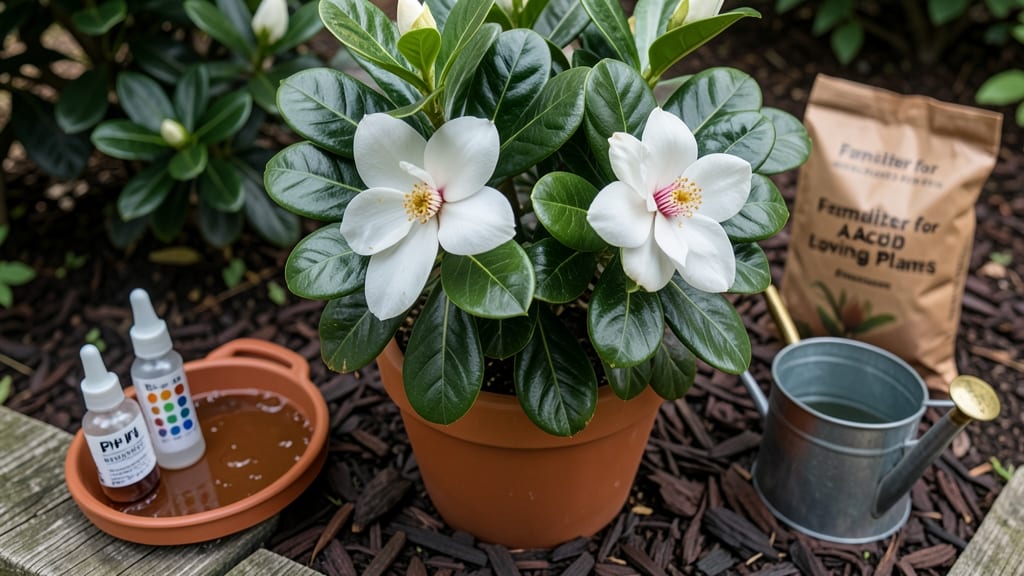
Gardenias are hard to grow because they need precise conditions: acidic soil (pH 5.0-6.5), partial shade, and careful moisture control, plus protection from frost and pests while waiting for blooms.
Gardenias are hard to grow because they thrive only when their exact needs are met—think of them as divas of the plant world. 🌸 The acidic soil requirement isn't just a preference; gardenias literally can't absorb nutrients in alkaline soil, leading to yellow leaves and stunted growth.
And while they love sunlight, too much direct afternoon sun scorches their delicate leaves. Most beginners fail because they treat gardenias like regular houseplants, but these beauties demand daily attention to humidity levels (they hate dry air) and precise watering (damp, not soggy).
Even with perfect care, blooms take 2-3 years to appear, which is why so many gardeners give up too soon.
Here's the kicker: gardenias also repel pests naturally when healthy, but stressed plants become magnets for spider mites and scale insects. The solution? A balanced approach—test your soil, mimic their tropical habitat with shade cloth in summer, and never let them sit in cold drafts.
Once you crack the code, though, the fragrant white blooms make every effort worthwhile.
💡 In This Article
- Key Growing Conditions for Thriving Gardenias
- 3 Beginner Mistakes That Kill Gardenias (And How to Fix Them)
Key growing conditions for thriving gardenias
The soil chemistry behind gardenias is what makes them so particular. These tropical plants originate from acidic, well-draining soils in Southeast Asia, where the pH naturally ranges between 5.0-6.5.
When soil pH rises above 7.0, gardenias can't absorb essential nutrients like iron and manganese, causing chlorosis (yellowing leaves with green veins). The solution? Mix 1 part peat moss or pine bark fines with 2 parts regular potting soil to replicate their native environment.
Think of it like baking—too much alkaline soil is like using baking soda instead of baking powder: the recipe just won't rise.
Sunlight requirements create another challenge. Gardenias need morning sun exposure (3-4 hours) to fuel photosynthesis, but their delicate leaves burn under hot afternoon rays (especially in zones 8+). This is why partial shade is critical—they thrive under 50-60% shade cloth during peak summer hours.
The ideal spot mimics their natural understory habitat, where dappled light filters through taller trees. Without this balance, leaves develop crispy brown edges, a classic sign of sun stress that's often mistaken for underwatering.
Humidity levels play a surprising role in their growth cycle. Gardenias hail from tropical climates where relative humidity stays above 50%, but most homes maintain 30-40% humidity. This dryness causes buds to drop before opening—a heartbreaking sight for gardeners. The fix?
Place plants on a pebble tray with water or use a humidifier nearby. In outdoor settings, group plants together to create microclimates that retain moisture. Even a weekly misting can prevent bud drop, though it's no substitute for proper air circulation to prevent fungal issues.
Temperature sensitivity is the final piece of the puzzle. Gardenias refuse to bloom when exposed to temperatures below 50°F (10°C), which is why they struggle in northern climates. The solution?
Grow them in containers that can be moved indoors during winter, or plant them near south-facing walls that absorb heat. Cold drafts from windows or AC vents create another common problem—buds form but fail to open.
This is why gardeners in cooler zones often use greenhouse frames or heated planters to maintain consistent warmth.
What most beginners overlook is the connection between these factors. For example, acidic soil improves nutrient uptake, which directly affects flower production. Similarly, proper humidity prevents stress that would otherwise make plants vulnerable to pests.
The key is creating a consistent environment where all these conditions work together—like tuning an instrument where each note must be perfect for the symphony to play.