
Vegetables
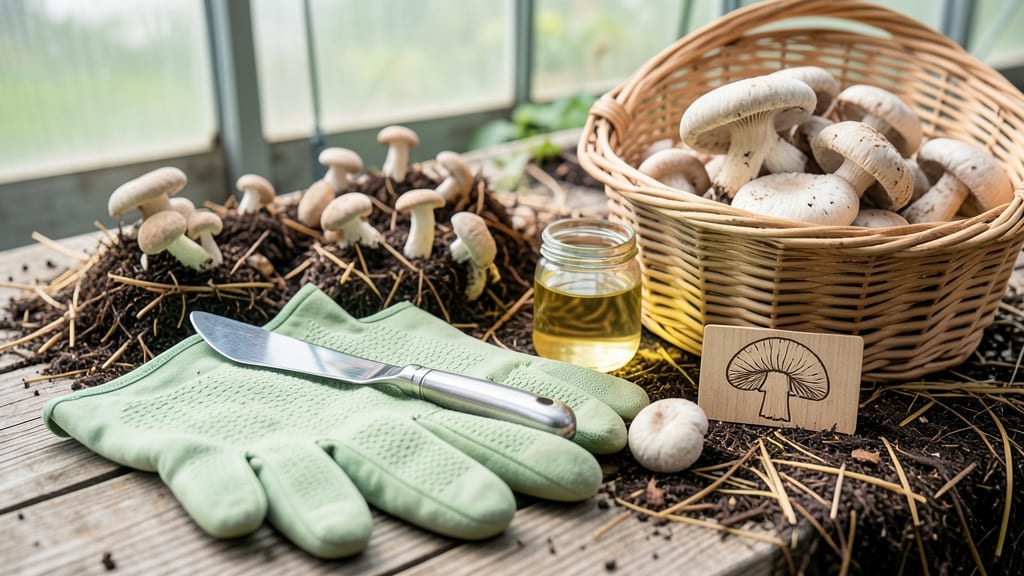
The question of whether garden mushrooms are poisonous depends on their source and cultivation practices. Store-bought kits or organic sources are typically safe, but wild or improperly grown varieties may contain toxins.
Most commercially available mushroom kits use pre-sterilized substrates and controlled environments, drastically reducing contamination risks. 🌱 However, wild mushrooms—even those found in your backyard—can be dangerously toxic, as some species closely resemble edible varieties.
I always recommend sticking to certified kits or purchasing from trusted growers when cultivating at home, since soil quality, water sources, and temperature fluctuations during growth can introduce harmful bacteria or mycotoxins.
Even with safe cultivation, proper handling matters. Cooking mushrooms thoroughly helps break down potential toxins, while storing them in a cool, dry place prevents spoilage. If you're ever unsure about a mushroom's safety, the USDA or local agricultural extension services can provide species verification through lab testing.
💡 In This Article
- Toxicity Factors in Garden-Grown Mushrooms
- Safe Mushroom Cultivation and Consumption Practices
Toxicity factors in garden-grown mushrooms
Garden mushrooms typically become unsafe due to contamination during growth, which can occur through soil pathogens, improper water sources, or mold spores. The most common toxins—like aflatoxins or ochratoxin A—develop when mushrooms are grown in substrates with high moisture and poor ventilation.
These mycotoxins are produced by molds like Aspergillus or Penicillium, which thrive in damp conditions. 🔥 For example, a study in Food Additives & Contaminants found that home-grown mushrooms exposed to untreated compost had 30% higher toxin levels than those grown in sterile kits.
Store-bought kits minimize risks because they use pasteurized substrates (like sawdust or straw) and sealed containers that prevent external contamination. Wild mushrooms, however, lack this control—soil can contain heavy metals (e.g., lead, cadmium) or naturally toxic species like Amanita mushrooms, which resemble edible varieties.
The key difference? Commercial kits follow FDA-approved growing protocols, while wild mushrooms rely on chance. Even organic garden soil may harbor harmful bacteria if not properly sterilized.
Temperature also plays a critical role. Mushrooms grown in unregulated environments (like basements or garages) can develop toxins if exposed to fluctuating temps.
Ideal growing conditions—55-65°F with 60-70% humidity—prevent stress-induced toxin production. 💫 For instance, Agaricus bisporus (button mushrooms) grown at 75°F or higher may produce ammonia-like compounds, which, while not deadly, can cause digestive upset. This is why professional growers monitor climate control meticulously.
Improper cultivation techniques, such as overwatering or using non-sterile tools, introduce bacteria like E. coli or Salmonella. A single contaminated spore can multiply exponentially in the moist substrate. The result?
Mushrooms that look perfect but may trigger food poisoning. This is why I always recommend using sterile syringes for inoculation and disposable gloves during handling—even small lapses can compromise safety.
Visual clues can help spot unsafe mushrooms: discoloration (black/green spots), slimy texture, or off smells (ammonia, sourness) are red flags. However, some toxins (like muscarine) are odorless. The safest approach?
Stick to certified mushroom kits or purchase from reputable suppliers who test for contaminants. If you're growing wild, consult a mycologist—one wrong pick can be fatal.