
Pests
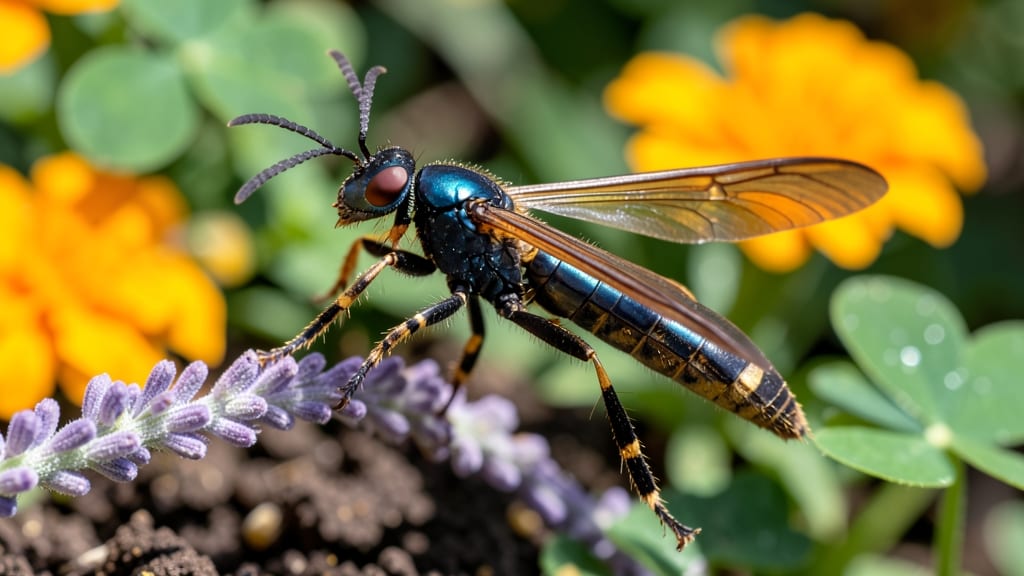
What eats ants in the garden includes natural predators like birds such as chickadees and robins, beneficial insects like ground beetles and lacewings, and small mammals like toads and shrews. These creatures help control ant populations organically.
Nature's pest control team thrives on ants, and these predators play a vital role in keeping your garden balanced. 🌿 Chickadees and robins aren't just pretty—they're efficient hunters that target ant trails, while ground beetles patrol the soil at night, devouring larvae and eggs.
Toads and shrews complete the ecosystem by munching on both adult ants and their colonies underground. The key to their success? A healthy garden ecosystem with plenty of hiding spots and food sources.
Creating a predator-friendly garden goes beyond just hoping they'll show up. Planting native shrubs provides shelter, while shallow water sources attract thirsty beetles and birds.
Avoiding chemical pesticides is crucial—these predators need ants to survive, so eliminating their food supply defeats the purpose. 🌱 Even simple changes like leaving leaf litter or installing log piles can transform your garden into a thriving ant buffet for these helpful creatures.
💡 In This Article
- Top Ant Predators in Gardens and Their Hunting Habits
- How to Attract Ant-Eating Wildlife to Your Garden
Top ant predators in gardens and their hunting habits
Birds like chickadees and robins are among the most effective ant hunters in gardens. These feathered predators use a technique called "gleaning," where they systematically scan the ground for ant trails, often following the scent of formic acid—ants' chemical alarm pheromone.
A single robin can consume 500-1,000 ants per hour, while chickadees target smaller species like pavement ants by pecking at their slow-moving columns. Their success rate peaks during spring and summer when ant populations surge, but they adapt by switching to other insects in winter.
Ground beetles and lacewings are nocturnal insect predators that specialize in ant larvae and eggs. These beneficial bugs rely on their keen senses of smell and touch to locate hidden ant colonies beneath mulch or bark.
A single ground beetle can devour 20-50 ant larvae per night, while lacewing larvae (called "aphid lions") use sticky, curved jaws to snatch ants mid-movement. Their activity slows in dry conditions, which is why maintaining garden moisture helps them thrive.
Unlike birds, these insects don't follow trails—they hunt by ambush, waiting near ant highways or nesting sites.
Small mammals like toads and shrews play a unique role by targeting both surface ants and underground colonies. Toads use their long, sticky tongues to catch ants on the move, while shrews dig into soil to uncover ant nests, consuming 50-100 ants per day.
Their effectiveness depends on habitat: toads prefer damp, shady areas with leaf litter, while shrews thrive in loose, well-drained soil. Both species are most active at dawn and dusk, avoiding the heat of midday when ants become more aggressive and harder to catch.
Seasonal variations dramatically affect predator behavior. During spring, birds and mammals focus on protein-rich ant larvae to feed their young, while summer brings peak activity from all predators as ant populations explode.
In fall, many predators switch to seeds or stored food, but some—like ground beetles—remain active until the first frost.
Regional differences also matter: in drier climates, predators rely more on water sources, while tropical gardens may host additional species like centipedes or ant-eating spiders that aren't found in temperate zones.
What makes these predators so efficient is their specialized hunting strategies. Birds use visual cues and chemical tracking, insects rely on ambush tactics, and mammals combine digging with opportunistic feeding. Together, they create a multi-layered defense system that keeps ant populations in check without human intervention.
The key to their success? A garden that provides both food (ants) and shelter (plants, water, hiding spots) for these natural pest controllers.
One fascinating detail is how predators adapt to ant species. For example, robins prefer larger ants like carpenter ants because they're easier to spot, while lacewings target smaller, slower ants like sugar ants that other predators overlook. This specialization ensures no ant species escapes predation entirely. 🌿