
Pests
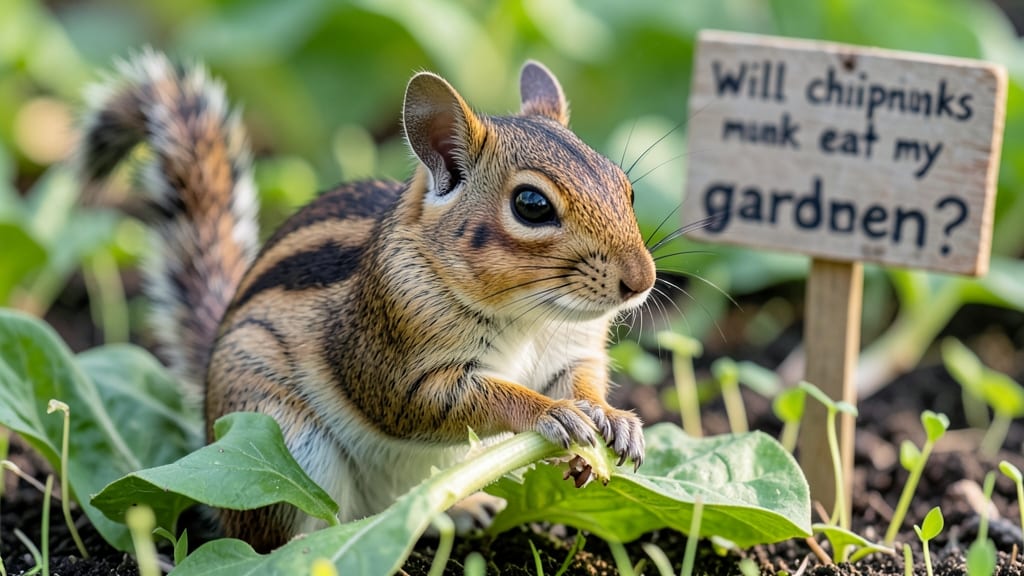
Yes, chipmunks will eat your garden, especially fruits, vegetables, seeds, and tender greens like lettuce, beans, and corn. Their relentless foraging can quickly destroy young plants, bulbs, and even tree bark, so proactive protection is essential to safeguard your landscaping.
These tiny but mighty rodents are drawn to soft, nutrient-rich plants that require minimal effort to dig up or nibble. 🌱 The problem isn't just their appetite—it's their efficiency. A single chipmunk can strip a garden of newly planted seeds or chew through delicate stems in a matter of hours.
What makes them particularly troublesome is their ability to cache food, which means they'll keep returning to your garden long after the initial damage is done. Understanding their preferences is the first step in creating an effective defense plan.
While they'll happily munch on most edible plants, there are a few they tend to avoid—like daffodils, lavender, and marigolds—which can serve as natural deterrents when planted strategically. The key is combining these plant-based defenses with physical barriers and habitat modifications to create an environment chipmunks find less appealing.
💡 In This Article
- Chipmunk Diet: What Plants They Love (and Hate) Most
- Natural and Humane Chipmunk Deterrents for Gardens
Chipmunk diet: what plants they love (and hate) most
Chipmunks are opportunistic foragers with a preference for high-carbohydrate, easy-to-access foods.
Their diet primarily consists of seeds, nuts, fruits, and tender vegetation because these provide the quick energy they need for their active lifestyle. 🌱 The soft texture of plants like lettuce, beans, and corn makes them especially vulnerable—chipmunks can strip entire rows in minutes using their sharp front teeth.
Even bulbs and young seedlings become targets because they require minimal digging to uncover.
Their natural foraging behavior is driven by an instinct to cache food for winter. A single chipmunk can carry up to 100 seeds or nuts in its cheek pouches per trip, often burying them in multiple locations.
This habit explains why they keep returning to gardens long after the initial damage. 🐿️ Interestingly, chipmunks have poor color vision but an exceptional sense of smell, which is why they're drawn to aromatic plants like herbs and flowers.
However, certain plants—like daffodils, lavender, and marigolds—contain compounds that chipmunks find unappealing or even toxic.
Daffodils, for example, contain lycorine, a natural toxin that repels many small mammals. Lavender emits a strong fragrance that masks the scent of nearby plants, making the garden less attractive to foraging chipmunks. Marigolds release a chemical called alpha-terthienyl, which deters pests through their strong odor.
These plants aren't just random choices—they're strategically selected based on their botanical defenses. 🌼 The key is to incorporate these chipmunk-resistant plants into your garden layout, creating natural barriers that make your space less inviting for these tiny pests.
Another factor influencing their diet is seasonal availability. In spring and summer, chipmunks focus on fresh greens and soft fruits, while in fall, they shift to seeds and nuts.
This seasonal pattern means your deterrent strategies should adapt—using physical barriers in early spring when young plants are most vulnerable, then switching to repellents as they mature. Understanding these preferences allows you to time your protective measures effectively, minimizing damage while maintaining a healthy garden ecosystem.
Consider this comparison: chipmunks will happily devour tomatoes, peas, and carrots but typically avoid onions, garlic, and alliums due to their pungent sulfur compounds. Even plants like rosemary and thyme can act as natural deterrents when planted near vulnerable areas.
The secret lies in creating a garden that's less appealing than the surrounding wild spaces where chipmunks would naturally forage. 🌿 By combining their least favorite plants with smart landscaping techniques, you can significantly reduce their interest in your garden.
One often-overlooked aspect is how chipmunks use their environment. They prefer areas with loose soil and ample hiding spots, which is why mulch beds and ground covers can actually attract them. The solution? Opt for gravel or sharp-edged mulch that makes digging difficult.
This simple adjustment makes your garden less hospitable while maintaining its aesthetic appeal. The goal is to create an environment where chipmunks find it easier to forage elsewhere than in your carefully tended space.