
Light Requirements
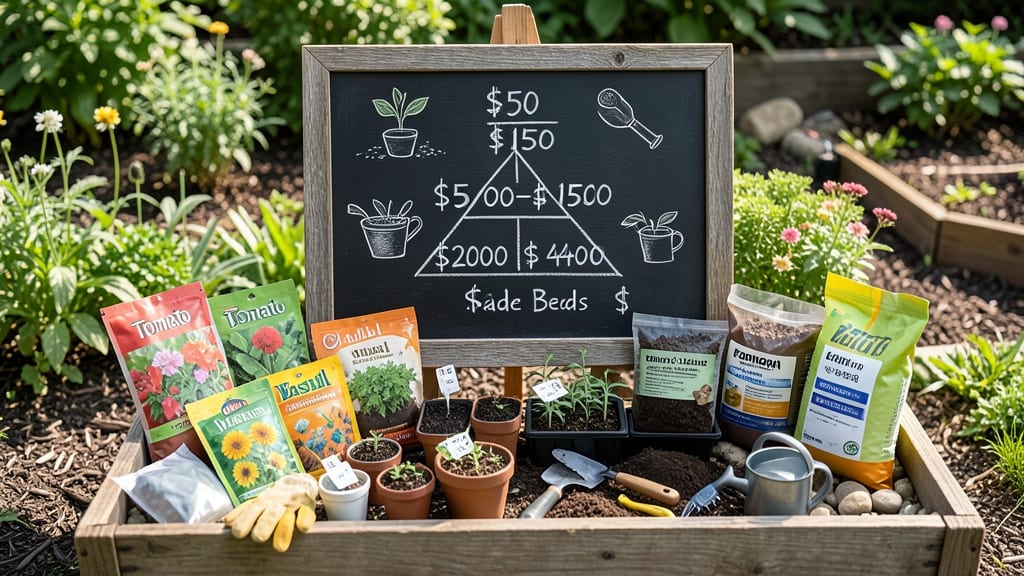
Starting a garden costs between $50 and $500+, depending on whether you use seeds ($20–$100) or seedlings ($50–$300+), soil quality, tools, and plant selection. Container gardens start cheaper, while large vegetable plots require higher upfront investments.
Your garden's initial budget really hinges on whether you're growing from seeds or seedlings. 🌱 Seeds are the budget-friendly route—packets of heirloom varieties often cost just $1–$3 each, while hybrid or organic seeds run $5–$10 per packet.
On the other hand, nursery seedlings can cost $3–$10 each, and rare or specialty plants may push that to $20+. The trade-off? Seedlings give you an immediate head start, while seeds offer long-term savings and more variety for future seasons.
Don't forget to account for soil prep and basic tools—compost, mulch, and a good shovel can add $30–$100 to your startup costs.
If you're planning a larger plot, you might also need to budget for irrigation systems or raised bed materials, which can quickly bump your total into the $500+ range. I always recommend starting small with a 10x10-foot plot or containers to test what works before scaling up.
💡 In This Article
- Seed vs Seedling Cost Breakdown for Garden Starters
- Hidden Costs to Budget for Your First Garden
Seed vs seedling cost breakdown for garden starters
Seeds offer the most budget-friendly entry point into gardening, with a single packet containing dozens of plants. Heirloom vegetable seeds cost just $1–$3 per packet, while hybrid varieties (like those from trusted brands) typically range from $3–$8. Organic seeds run $5–$10 per packet due to stricter growing conditions.
For example, a packet of 100 tomato seeds costs about $2.50, while a single nursery-bought tomato seedling averages $4–$6 each. 🌱 The savings multiply when you consider that one seed packet can yield 20–50 plants, compared to buying individual seedlings.
Seedlings provide convenience but come at a premium price. A basic 6-pack of lettuce seedlings costs $3–$5, while specialty plants like blueberry bushes or artichoke starts can run $15–$30 each. Organic or heirloom seedlings push costs even higher, often 2–3x the price of conventional ones.
The trade-off is immediate harvests—seedlings skip the 4–8 weeks germination and early growth phase, which is ideal for short-season climates. However, buying seedlings means you're limited to what the nursery stocks, while seeds let you experiment with rare or heirloom varieties unavailable locally.
Here's where long-term savings kick in: A single packet of carrot seeds yields 50–100 plants for $2, while buying that many seedlings would cost $50–$100. Over three growing seasons, seeds can save you $100–$300+ compared to buying seedlings annually.
That said, seedlings make sense for gardeners with limited space or time, as they eliminate the thinning process (removing weaker seedlings) and reduce early pests like cutworms that target young plants.
Consider this cost comparison for a 10x10-foot vegetable garden:
- Seeds-only approach: $20–$50 for seeds + $30–$60 for soil amendments = $50–$110
- Seedlings-only approach: $80–$200 for plants + $30–$60 for soil = $110–$260
- Mixed approach: $40–$100 for seeds + $50–$150 for seedlings = $90–$250
The seed route also gives you control over plant genetics—you can save seeds from your best performers year after year, adapting varieties to your local climate.
Seedlings, meanwhile, offer instant gratification for beginners who want to see results within 60–90 days. 🌿 For example, starting basil from seed takes 6–8 weeks to reach harvest size, while a nursery seedling is ready in 4–6 weeks.
Pro tip: If you choose seeds, prioritize high-yield, easy-to-grow varieties like bush beans ($2 per packet), lettuce ($1.50), or zucchini ($3). These plants produce 10–20 harvests per plant, maximizing your $1–$3 investment.
For seedlings, focus on transplant-friendly crops like tomatoes, peppers, and herbs that handle root disturbance better than seeds.