
Fertilization
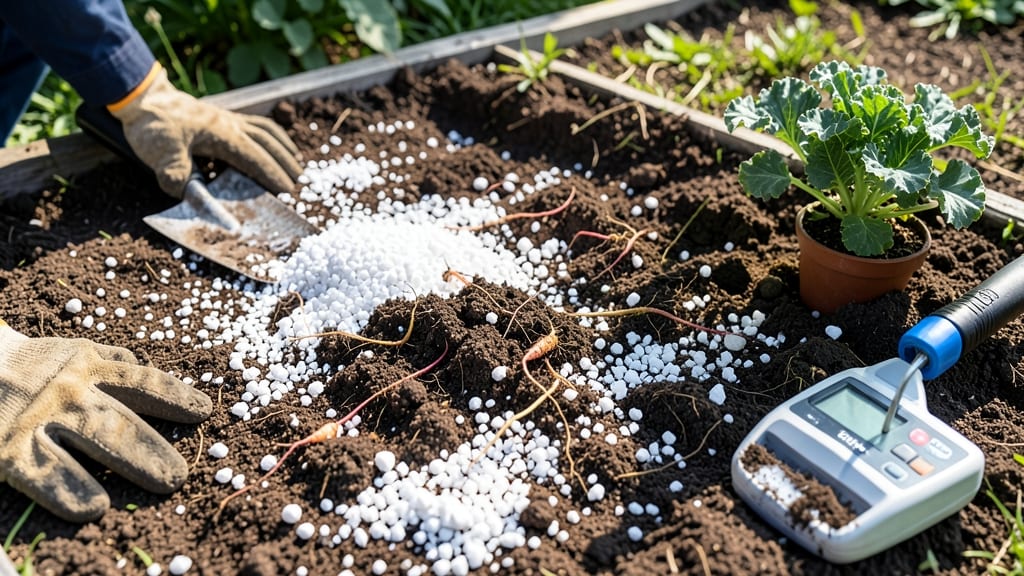
Using calcium carbonate in gardening effectively raises soil pH to neutralize acidity, creating optimal conditions for acid-sensitive plants like blueberries or azaleas. For best results, apply 1-2 pounds per 100 square feet, mix it into the top 6 inches of soil, and retest pH levels after 2-4 weeks.
Calcium carbonate acts like a natural buffer, gradually neutralizing soil acidity by reacting with hydrogen ions.
This slow-release process prevents sudden pH spikes that could harm plant roots. 🌱 For example, blueberries need a pH between 4.5-5.5, but adding calcium carbonate helps shift the balance toward the higher end when other amendments fail.
The key is patience—overapplying can lock out essential nutrients like iron or manganese, so always test before and after treatment.
When applying, I recommend working it into the soil during dry weather to avoid clumping. A broadcast spreader makes even distribution easier, and watering lightly afterward helps settle the powder. For container gardens, mix it directly into the potting soil at a rate of about 1/4 pound per cubic foot.
Always wear gloves and a mask, as the fine powder can irritate skin and lungs.
💡 In This Article
- How Calcium Carbonate Adjusts Soil pH Chemistry
- Best Practices for Applying Calcium Carbonate in Gardens
How calcium carbonate adjusts soil pH chemistry
Calcium carbonate (CaCO₃) works as a soil amendment through a straightforward chemical reaction called neutralization.
When you add it to acidic soil, it reacts with hydrogen ions (H⁺), which are the primary contributors to low pH. The reaction produces water and carbon dioxide while releasing calcium ions (Ca²⁺) that replace the H⁺ ions on soil particles.
This process gradually raises the soil's pH toward neutrality, typically from acidic (pH 4.5-6.5) to slightly alkaline (pH 7.0-7.5). 🌱
The reaction happens slowly because calcium carbonate is only slightly soluble in water. This slow release is actually beneficial—it prevents sudden pH spikes that could shock plant roots.
For example, in a sandy soil with a starting pH of 5.5, applying 1 pound of calcium carbonate per 100 square feet might raise the pH by 0.5-1.0 points over 4-6 weeks.
The buffering effect also means the pH won't swing dramatically with rain or irrigation, providing more stable growing conditions. Most gardeners see the most significant changes within 2-4 weeks of application.
Understanding the soil pH scale is crucial for effective use. Most vegetables and flowers prefer a neutral pH (6.0-7.0), while acid-loving plants like blueberries and azaleas thrive at pH 4.5-5.5.
Calcium carbonate is particularly useful for plants that need slightly alkaline conditions, such as lavender or thyme, which often struggle in naturally acidic soils. The key is testing your soil before application—most home test kits measure pH and can guide your dosage decisions.
Overapplication can push the pH too high, locking out essential nutrients like iron or manganese.
Another important factor is the soil's buffering capacity, which varies by texture. Clay soils hold onto pH changes better than sandy soils, meaning they require less frequent applications. For instance, a clay loam might only need calcium carbonate every 2-3 years, while a sandy soil could benefit from annual top-ups.
The particle size of the calcium carbonate also matters—finer powders dissolve faster and work more quickly than coarse granules. 🔥
What most gardeners don't realize is that calcium carbonate doesn't just adjust pH—it also provides essential calcium for plant cell walls. This dual benefit makes it a more effective soil amendment than pure lime products.
However, the calcium release happens gradually, so it won't provide an immediate nutrient boost like a quick-release fertilizer. For best results, combine calcium carbonate with organic matter like compost, which improves soil structure and helps maintain the pH balance over time.
Consider this practical example: If your garden soil tests at pH 5.0 and you want to grow roses (which prefer pH 6.0-6.5), you'd need to raise the pH by 1.0-1.5 points.
Starting with 1 pound of calcium carbonate per 100 square feet and retesting in 4 weeks will give you a clear picture of how much more to apply. The goal is incremental change—think of it like turning up the heat on a stove rather than blasting it to high immediately.