
Planting
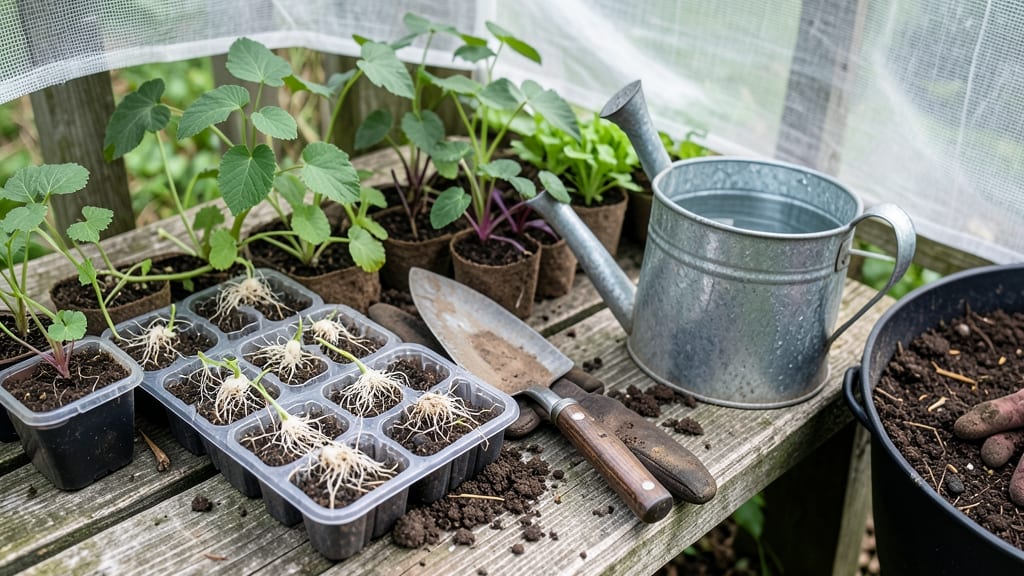
June isn't too late to plant a garden if you choose quick-maturing, heat-resistant varieties like beans, cucumbers, or leafy greens. Select late-season cultivars and prioritize consistent moisture to extend your harvest potential.
June gardening thrives on speed and smart choices. 🌱 The key is focusing on crops that mature in 45-60 days, like bush beans or radishes, which can still thrive with afternoon shade.
I've had great success with zucchini and green onions planted in late June—they reward you with harvests just as summer winds down. Even herbs like basil and cilantro can make a comeback if given afternoon shade and regular watering.
Timing matters most with late-season planting. 💧 Start seeds indoors for a head start, or choose transplants from nurseries that specialize in heat-tolerant varieties. The secret weapon? Mulch—it keeps roots cool while retaining moisture.
I always test soil moisture by squeezing a handful: if it crumbles easily, it's time to water. Just remember, June heat demands deep watering (1-2 inches per week) rather than frequent light sprinkles.
💡 In This Article
- Fast-Growing Crops Perfect for June Planting
- June Gardening Success: Watering, Soil, and Timing Tips
Fast-growing crops perfect for June planting
June planting succeeds with crops that mature in 45-60 days—their secret lies in heat tolerance and rapid growth cycles. Take bush beans, for example: they thrive in temperatures up to 90°F and produce edible pods just 50-60 days after planting.
Their shallow root systems also make them ideal for containers or small spaces. Zucchini, another June favorite, grows aggressively in heat and delivers harvests in 45-55 days, though it demands consistent moisture to prevent bitter fruit.
The magic happens in their leaf structure and root development.
Many late-summer crops like radishes and green onions develop waxy leaf coatings that reduce water loss, while their fibrous roots spread quickly to access moisture deep in the soil. 🌱 These adaptations let them outcompete weeds and recover faster from heat stress.
For instance, 'Cherry Belle' radishes mature in just 25 days and handle 85°F temperatures better than spring varieties, which bolt in heat.
What really sets these crops apart is their ability to handle June's intense sunlight. Leafy greens like Swiss chard and kale develop thicker stems and deeper green leaves in heat, while their roots grow downward to escape surface temperatures that can exceed 120°F.
This vertical growth pattern creates a natural cooling system for the plant. I've noticed that even in 95°F afternoons, these crops continue growing if given 1-2 inches of water weekly—their deep roots access moisture that shallow-rooted spring crops can't reach.
Don't overlook the power of succession planting. By staggering your plantings every 2-3 weeks, you create a continuous harvest window. For example, planting a new batch of green beans every 10 days ensures you always have fresh pods while the first batch matures.
This strategy works especially well with crops that handle heat but struggle with below 50°F night temperatures—common by late August in many regions.
Here's what to watch for with your June crops:
- Beans: Watch for powdery mildew in humid conditions—space plants 4-6 inches apart for airflow
- Zucchini: Use black plastic mulch to keep roots cool and prevent blossom end rot
- Leafy greens: Provide afternoon shade with 30% shade cloth if temperatures exceed 85°F
The real reward comes when you see these crops thriving in conditions that would kill spring plantings. That first zucchini at 90°F or radish harvest in 30 days proves June can be one of your most productive planting months—if you play by the heat's rules. 💫