
Advice
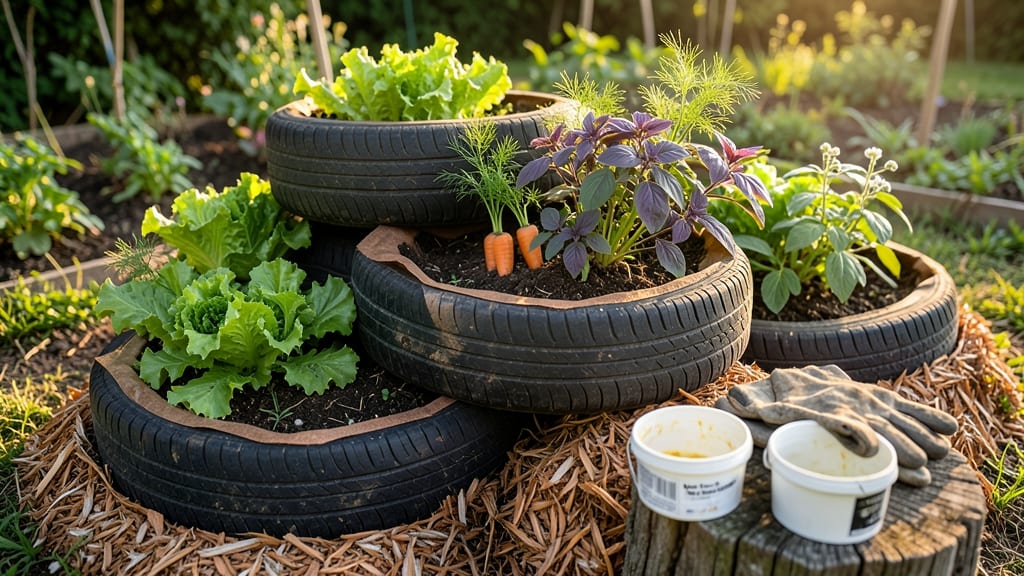
Gardening with tires can be harmful because they release toxic chemicals like zinc, sulfur, and rubber additives that disrupt soil health, weaken plant roots, and accumulate in raised beds over time.
These hazards come from the breakdown of rubber compounds, which not only alter soil pH but also introduce heavy metals that inhibit microbial activity. 🔥 Over months or years, the leaching process can create a hostile environment for roots, stunting growth or even killing plants.
Even if tires seem sturdy, their chemical composition makes them a risky choice for edible gardens or long-term planting.
For safer alternatives, consider untreated cedar, recycled plastic lumber, or cinder blocks—all of which avoid the chemical risks while providing similar structural benefits. Many gardeners also opt for certified non-toxic materials like composite wood, which mimics the durability of tires without the toxicity.
💡 In This Article
- Chemical Risks in Tires for Plant Growth
- Safe Tire Alternatives for Raised Garden Beds
Chemical risks in tires for plant growth
Tires contain a cocktail of chemicals designed for durability, and these same compounds become toxic when exposed to soil and moisture. The rubber itself is loaded with zinc oxide (up to 5% by weight) as a vulcanizing agent, which lowers soil pH over time—creating acidic conditions that stress plant roots.
Sulfur compounds from the vulcanization process further disrupt microbial communities, which are essential for breaking down organic matter and cycling nutrients.
Even more concerning are the accelerants and additives used to speed up rubber curing, like benzothiazole derivatives and aromatic amines. These chemicals can leach into soil at concentrations high enough to inhibit seed germination and root elongation.
Studies show that tire-derived zinc levels can exceed 100 ppm in surrounding soil after just 1-2 years, far beyond the 5 ppm safe threshold for edible plants. The rubber's carbon-black filler also introduces persistent organic pollutants that accumulate in plant tissues.
For raised beds, the risks compound because tires create a confined system where leachates have nowhere to drain.
The confined space traps moisture, accelerating chemical release and creating a "toxic brew" that can stunt growth or kill plants entirely. 🌱 Tomatoes and leafy greens are particularly vulnerable due to their shallow root systems, which absorb these contaminants directly.
Even decorative plants may show signs like chlorosis (yellowing leaves) or stunted growth when grown in tire beds.
What makes this especially insidious is how gradual the damage becomes. Initial exposure might show no visible effects, but over 3-5 years, the cumulative impact becomes irreversible. The rubber's porous structure also creates ideal conditions for fungal growth, introducing another layer of microbial imbalance.
Unlike organic mulches that decompose harmlessly, tires remain a long-term threat to both soil health and plant productivity.
Consider this: a single tire can leach enough zinc to create a 10-foot radius of contaminated soil where edible crops shouldn't be grown. The problem isn't just immediate toxicity—it's the creation of a soil environment where beneficial microbes can't thrive, breaking the entire nutrient cycle that healthy plants depend on.
This is why professional gardeners universally recommend against using tires, even for non-edible landscaping.
The visual evidence is often subtle at first—plants may appear healthy but produce smaller yields or show signs of nutrient deficiency despite proper fertilization.
This is your first warning that the soil's microbial balance has been compromised. 🚨 Over time, the physical structure of the soil itself degrades, becoming more compacted and less able to retain moisture or support root growth.