I’ve always found solace in the dirt—whether it was sneaking tomatoes from my neighbor’s garden as a kid or helping my grandpa coax life out of stubborn seeds. This site is where I share the lessons I’ve learned from both successes and spectacular failures. My goal?
To make gardening feel less like a chore and more like a conversation with the earth.
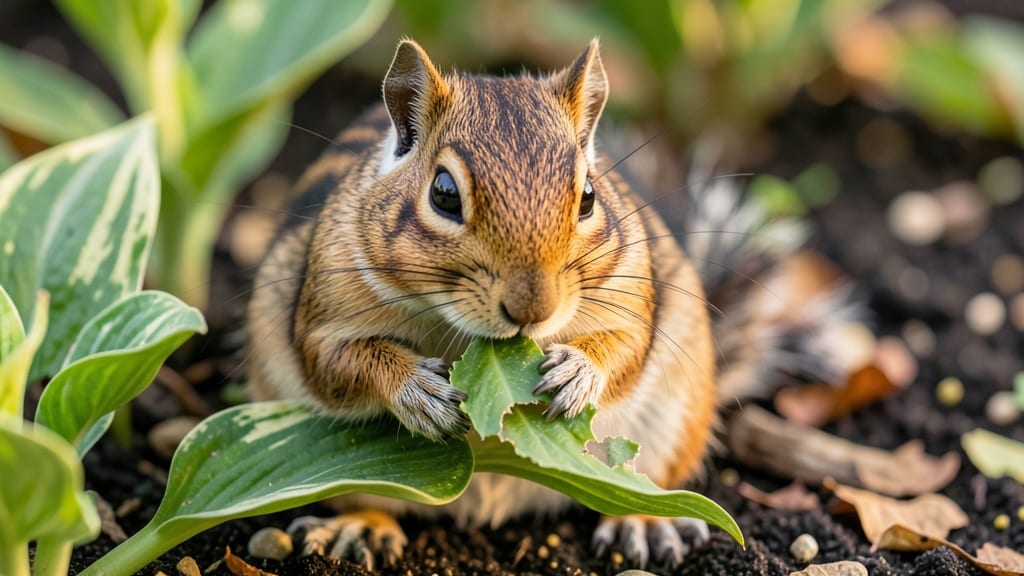
💥 Quick Answer Chipmunks eat garden plants, especially seeds, bulbs, fruits, vegetables, and tender young shoots like lettuce, beans, and corn. These small rodents can quickly damage seedlings and stored harvests, often…
💥 Quick Answer Filoli Gardens in San Francisco’s hidden vegetable patches specialize in cultivating seasonal produce like heirloom tomatoes, leafy greens, and aromatic herbs, offering expert-led planting guidance that…
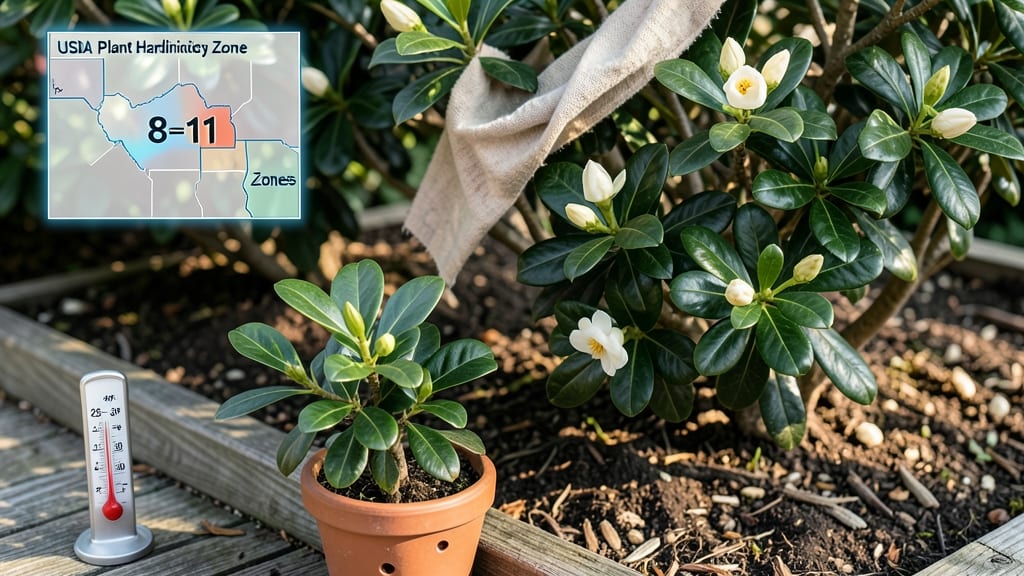
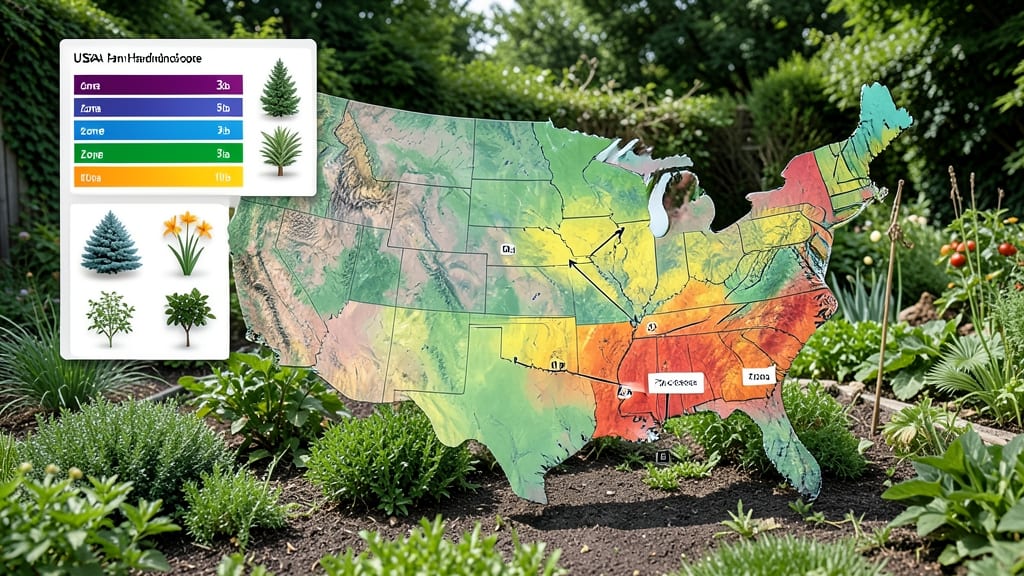
💥 Quick Answer To determine your gardening zones by zip, use the USDA Plant Hardiness Zone Map to find your base zone, then account for local factors like shade, elevation, or urban heat that can shift your effective…
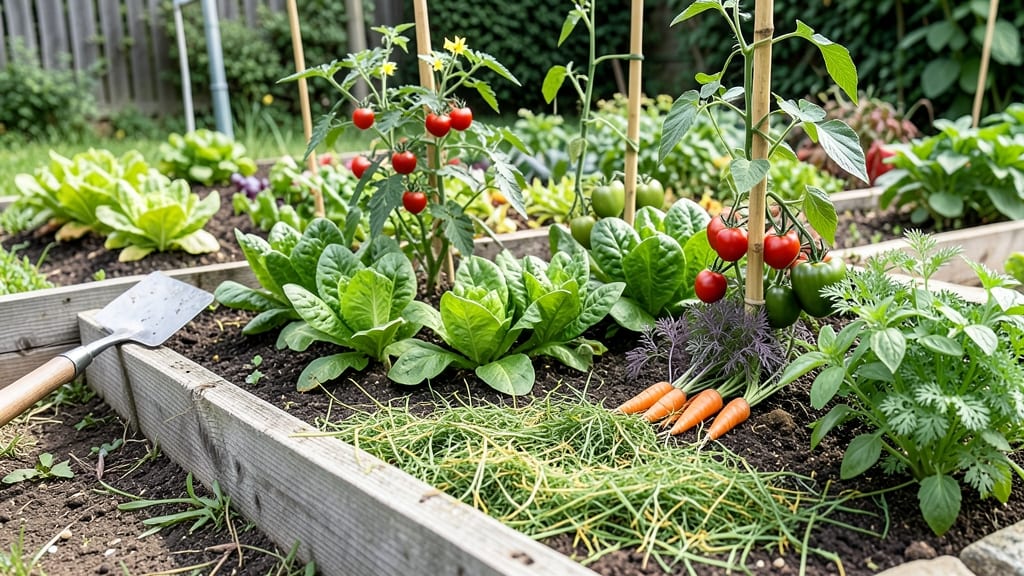
💥 Quick Answer Incorporating grass clippings into vegetable gardens boosts soil health by providing natural nitrogen and organic material, but they should always be dried or composted beforehand to avoid compacting soil…
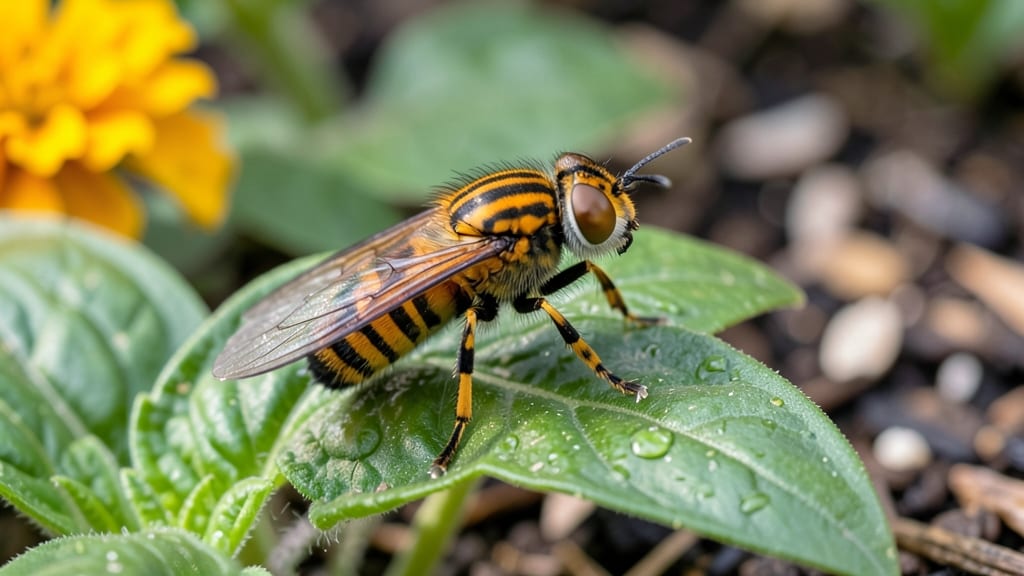
Keeping insects away from your garden is all about disrupting their life cycle with smart, fast-acting solutions that work in 24 hours or less. Picture this: you’ve spent weeks nurturing your plants, only for aphids or…
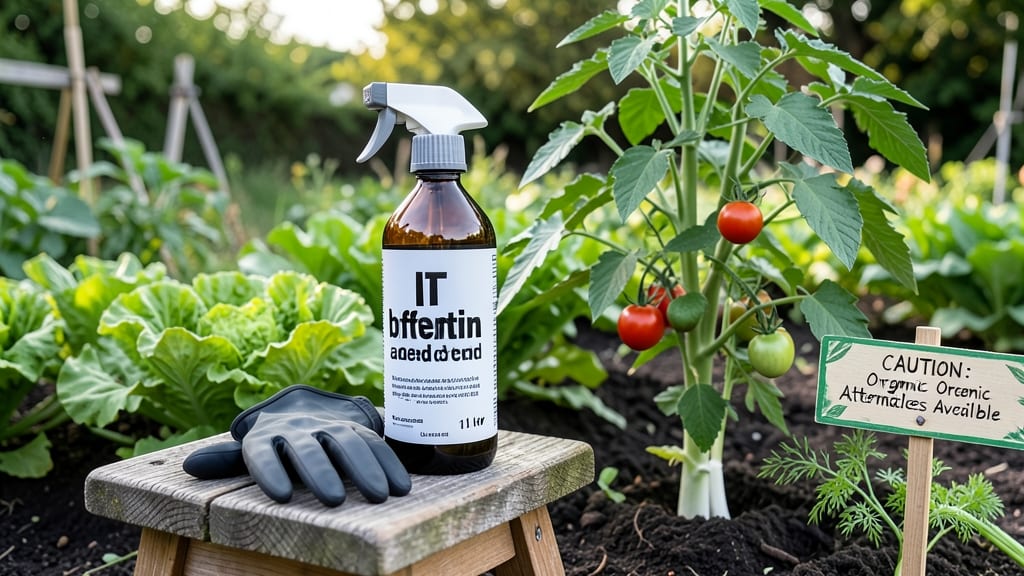
💥 Quick Answer Bifen (bifenthrin) is not safe for vegetable gardens because it harms pollinators, disrupts soil microbes, and poses risks to edible crops through residue buildup. Most organic gardeners avoid it…
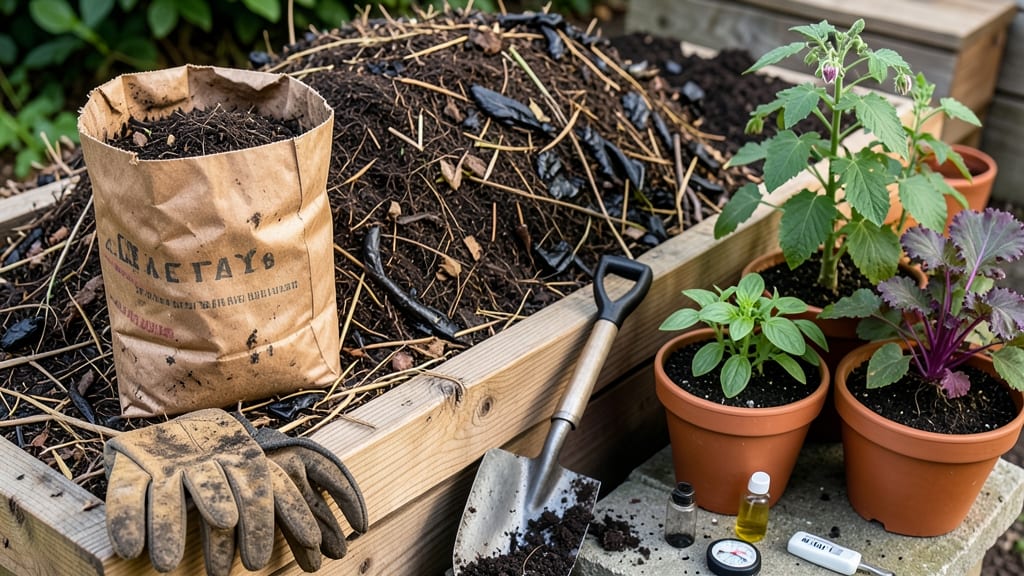
💥 Quick Answer Chicken poop is good for gardens when properly composted, as it provides essential nitrogen for plant growth while avoiding plant burns and pathogen risks like salmonella. Always compost it for at least…
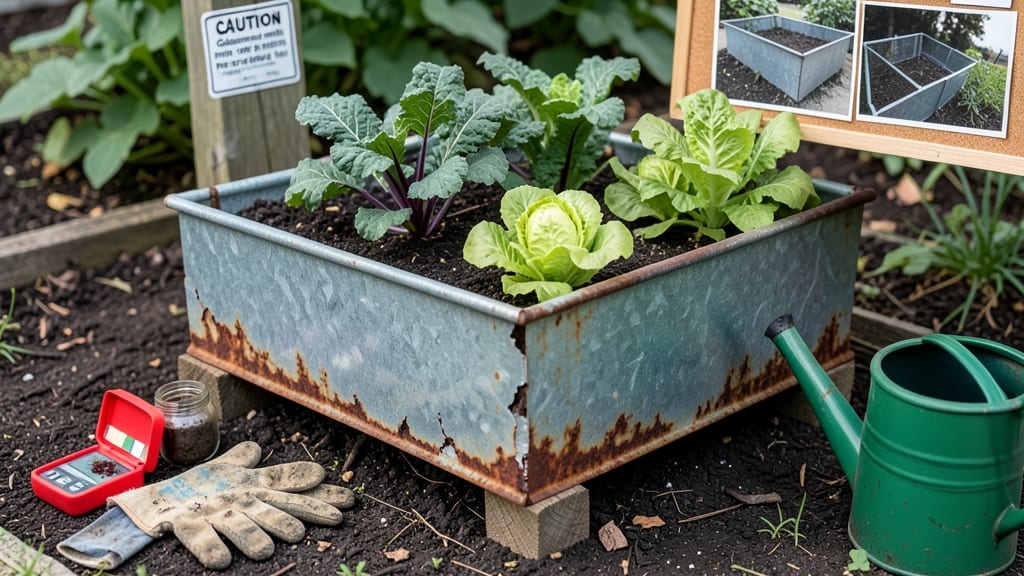
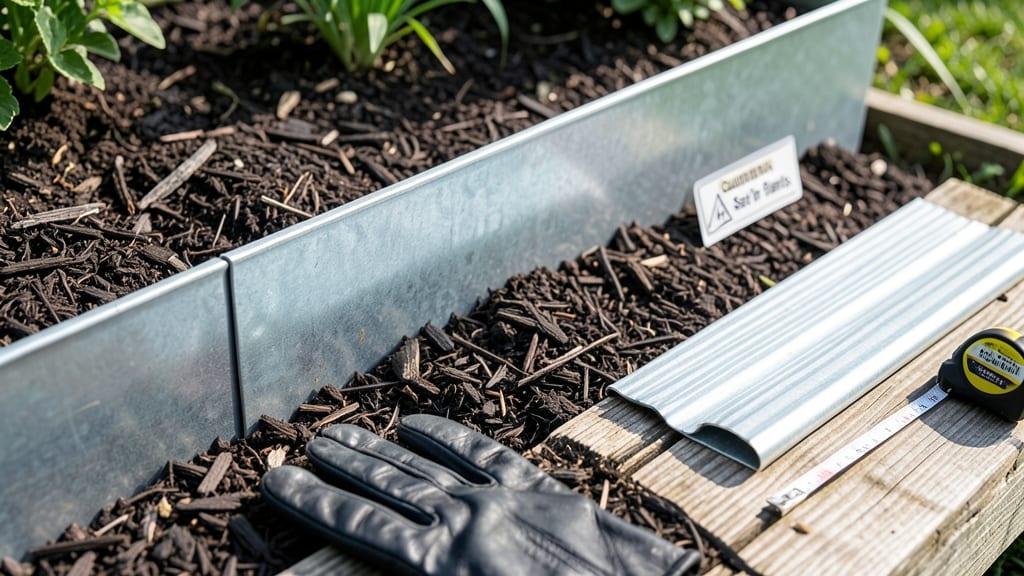
💥 Quick Answer Galvanized steel is not safe for garden beds because the zinc coating can leach into soil over time, causing zinc toxicity in plants and harming beneficial microbes. Opt for uncoated steel, stainless…
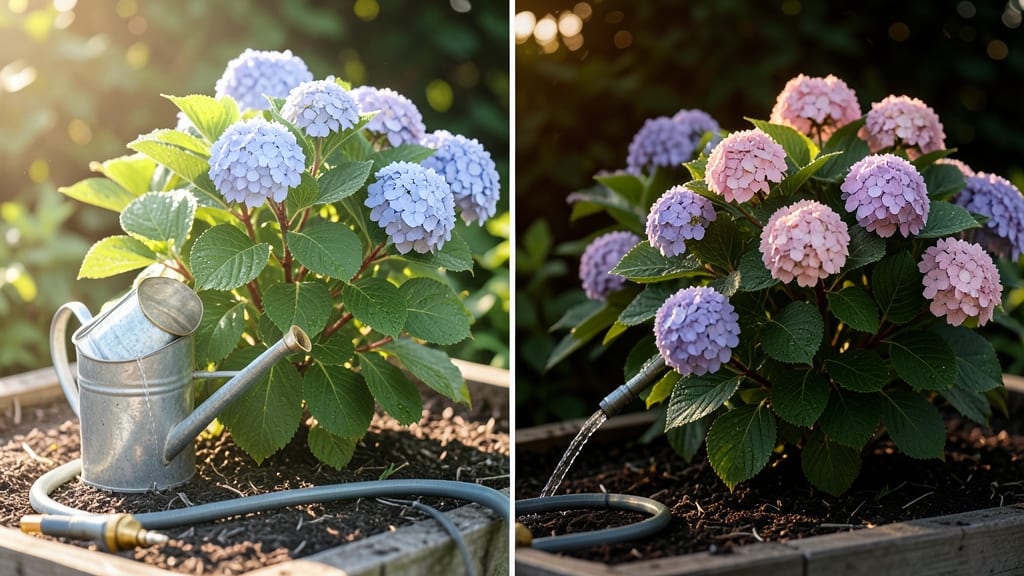
💥 Quick Answer Watering gardens in the morning is generally better than evening because it reduces evaporation, allows foliage to dry before nightfall, and minimizes fungal risks. Early watering also helps plants absorb…
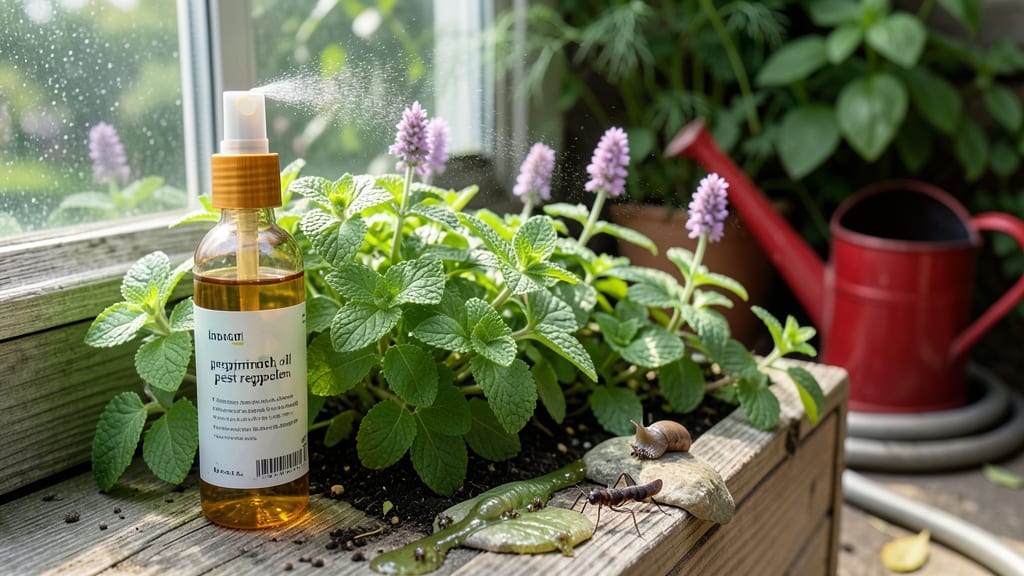
💥 Quick Answer For natural ant repellent in gardens, I rely on plant-based solutions like peppermint oil, citrus peels, or crushed mint leaves. These create diluted sprays that disrupt ant trails and entry points while…