
Plants
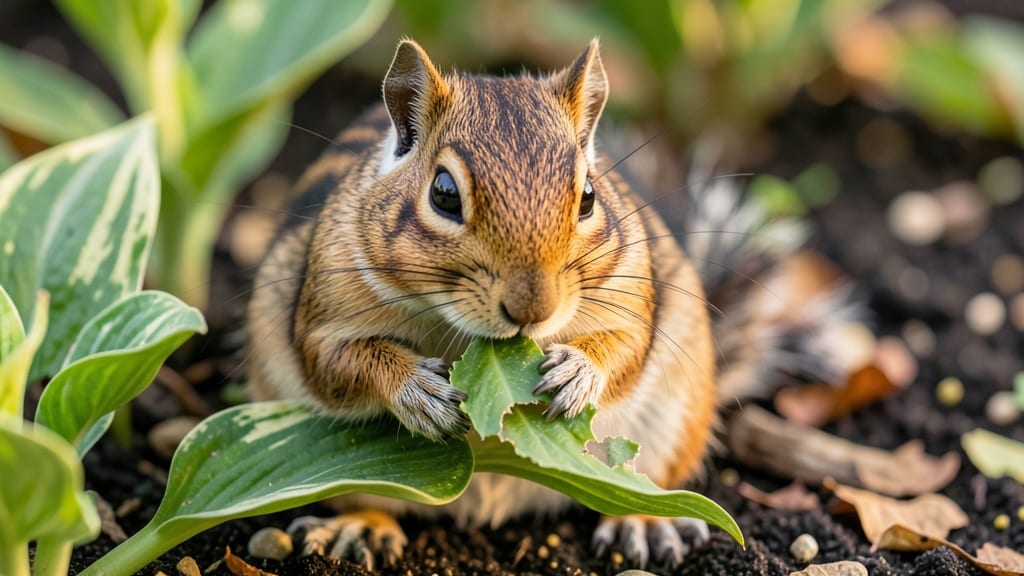
Chipmunks eat garden plants, especially seeds, bulbs, fruits, vegetables, and tender young shoots like lettuce, beans, and corn. These small rodents can quickly damage seedlings and stored harvests, often turning gardens into their personal buffet.
These little critters are basically garden thieves with tiny paws. 🌱 Chipmunks have an insatiable appetite for anything edible, from fresh produce to stored vegetables, and their digging habits can uproot delicate plants or expose bulbs to rot.
They're most active during dawn and dusk, which is when you'll notice the most damage—half-eaten tomatoes, chewed lettuce leaves, and vanished seed packets. The worst part? They often return to the same spots, turning your hard work into a chipmunk snack bar.
What makes them particularly troublesome is their nesting behavior. Chipmunks often stash food in underground burrows, meaning they'll keep coming back to "supply" their pantry. This habit explains why they're so destructive to both above-ground crops and root vegetables.
If you've ever found your carefully planted seeds mysteriously vanished, blame the chipmunks—they're the culprits behind many a gardener's frustration.
💡 In This Article
- Chipmunk Diet: What Garden Plants They Prefer
- Effective Chipmunk Deterrents for Gardens
Chipmunk diet: what garden plants they prefer
Chipmunks are opportunistic foragers with a diet that heavily overlaps with common garden crops. Their natural preference leans toward high-energy foods like seeds (especially sunflower, corn, and bean seeds), bulbs (tulips, daffodils, and onions), and soft fruits such as strawberries, raspberries, and tomatoes.
Their cheeks can stretch to hold up to 50 seeds at once, which they stash in underground caches—explaining why your newly planted seeds might vanish overnight. 🌱
Their foraging behavior peaks in spring and early summer when young shoots and tender leaves are most vulnerable. Chipmunks particularly target leafy greens (lettuce, spinach, and kale), legumes (beans and peas), and corn kernels—often biting off the tips of seedlings to access the nutritious growing points.
Studies show they can consume up to 10% of their body weight daily, which translates to rapid devastation in small gardens. Their digging also exposes roots, making plants more susceptible to disease or uprooting.
What makes chipmunks so effective garden raiders is their nocturnal and crepuscular activity patterns. They forage most aggressively at dawn and dusk, when temperatures are cooler and predators are less active. This timing aligns perfectly with when gardeners are least likely to notice the damage—until it's too late.
Their sharp incisors can slice through thin stems and soft skins, leaving behind jagged bite marks that distinguish their work from other pests like rabbits or deer.
Seasonal variations play a role too. In fall, chipmunks focus on harvesting and storing nuts, acorns, and seeds for winter. But if your garden offers easier pickings—like unharvested tomatoes or squash—they’ll gladly supplement their diet.
Their burrowing habits also mean they’ll dig up potatoes, carrots, and other root vegetables, leaving behind scattered soil and half-eaten tubers. The key to protecting your garden lies in understanding these patterns and acting before they become a full-blown infestation.
Interestingly, chipmunks have a strong preference for protein-rich foods when available. While they’ll happily munch on fruits and veggies, they’ll prioritize insects, worms, and even small vertebrates if given the chance. This explains why they’re often found near compost piles or under mulch—both prime hunting grounds.
However, in most home gardens, their diet remains heavily plant-based, making them a persistent nuisance for gardeners.
To visualize their target list, think of chipmunks as miniature garden bandits with a shopping list that includes:
- Seeds: Sunflower, corn, bean, and flower seeds (especially newly planted ones)
- Bulbs: Tulips, daffodils, onions, and garlic (they’ll dig them up)
- Fruits: Tomatoes, strawberries, raspberries, and grapes (soft-skinned varieties are easiest to access)
- Vegetables: Lettuce, spinach, peas, beans, and corn (they go for both leaves and kernels)
- Root Crops: Potatoes, carrots, and beets (they’ll dig them up and eat them)
Understanding these preferences is the first step in outsmarting them—because once you know what’s on their menu, you can start protecting your garden’s most vulnerable items. 💫