
Vegetables
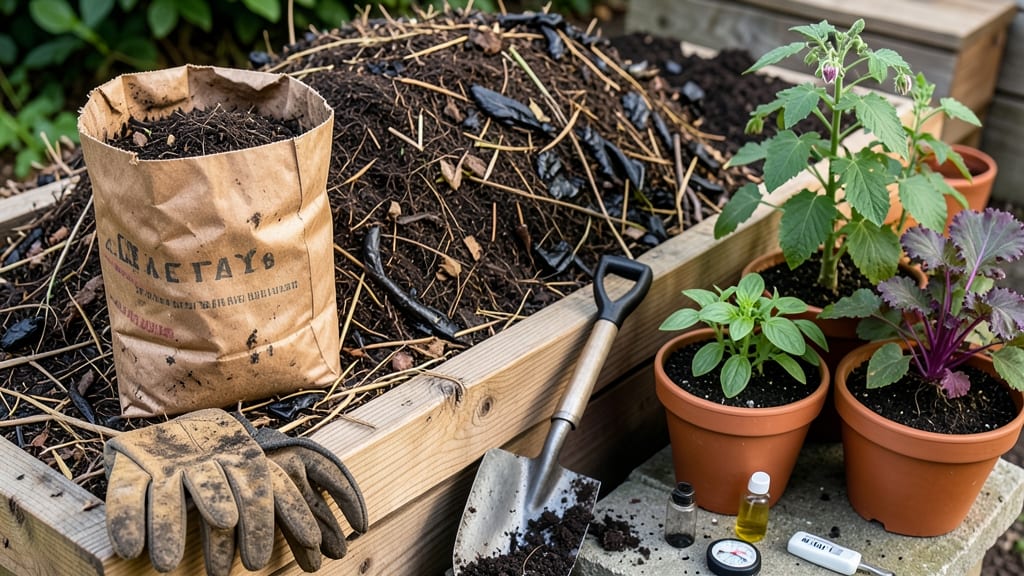
Chicken poop is good for gardens when properly composted, as it provides essential nitrogen for plant growth while avoiding plant burns and pathogen risks like salmonella. Always compost it for at least six months before use.
Using chicken manure as fertilizer is a game-changer for gardeners, thanks to its high nitrogen content—about 4-5% by dry weight.
This nutrient boost promotes lush foliage and robust plant growth, but fresh manure can scorch plants due to its high ammonia levels. 🌱 The key is patience: composting transforms raw waste into a safe, nutrient-rich soil amendment that also improves microbial activity and soil structure.
I’ve seen firsthand how properly aged chicken manure transforms struggling gardens into thriving ecosystems.
For best results, mix chicken manure with carbon-rich materials like straw or wood chips to balance the nitrogen levels. This creates a stable compost pile that heats up efficiently, killing pathogens and breaking down harmful compounds.
Once fully decomposed—typically after 6 months—you can safely spread it around plants, especially nitrogen-loving vegetables like leafy greens and corn.
💡 In This Article
- Nutritional Value of Chicken Manure for Soil Fertility
- Safe Composting Methods for Chicken Manure in Gardens
Nutritional value of chicken manure for soil fertility
Chicken manure stands out as a powerhouse fertilizer because of its exceptional nutrient profile. Fresh chicken droppings contain roughly 4-5% nitrogen by dry weight, which is significantly higher than cow manure (1-2%) or horse manure (2-3%).
This nitrogen content is crucial for leafy greens and fast-growing plants, as it directly fuels chlorophyll production and vigorous foliage growth. The phosphorus and potassium levels also make it valuable for root development and flowering plants, though these nutrients are typically lower than nitrogen.
The magic happens below the soil surface too. When properly composted, chicken manure introduces beneficial microbes that break down organic matter, creating a thriving ecosystem in your garden soil. These microbes help aerate compacted soil and improve water retention, which is especially valuable in sandy soils that drain too quickly.
The organic matter from decomposed manure also enhances soil structure, creating a crumbly texture that plant roots can easily penetrate. 🌱 For example, a 1-inch layer of well-composted chicken manure spread over garden beds can provide enough nitrogen to support tomatoes or peppers for an entire growing season.
What makes chicken manure particularly effective is its balanced nutrient release. Unlike synthetic fertilizers that provide an immediate but short-lived nutrient spike, composted chicken manure releases nutrients gradually over weeks or months. This slow-release mechanism prevents nutrient runoff while maintaining consistent plant growth.
The high microbial activity also helps suppress harmful pathogens, creating a more resilient garden environment. However, this benefit only occurs when the manure is fully composted—raw chicken poop contains ammonia levels high enough to burn plant roots and foliage.
The nitrogen in chicken manure comes primarily from undigested protein and uric acid, which break down into ammonia during composting. This process is why proper composting is essential: raw ammonia can reach concentrations of 500-1,000 ppm, while composted manure typically contains 100-200 ppm—a safe level for plants.
The transformation from raw waste to nutrient-rich compost also eliminates harmful bacteria like salmonella and e. coli, making it safe for edible gardens. This microbial conversion is what turns chicken waste from a potential hazard into one of the most effective organic fertilizers available.
For gardeners working with vegetable crops, the benefits become even more apparent. Leafy greens like spinach and lettuce thrive with the nitrogen boost, while fruiting plants benefit from the improved soil structure. I've observed that composted chicken manure can increase yield by 20-30% in home gardens when applied correctly.
The key is understanding that this powerhouse fertilizer requires proper preparation—skipping the composting step means risking plant damage rather than reaping the rewards. ✨
One common misconception is that all animal manures are equally beneficial. While cow or horse manure also enriches soil, chicken manure's higher nitrogen content and finer particle size make it more potent. The rapid decomposition rate means it needs to be composted longer than other manures to avoid burning plants.
This is why many organic gardeners maintain dedicated compost piles for chicken waste, treating it as a premium soil amendment rather than a generic fertilizer.