
Pests
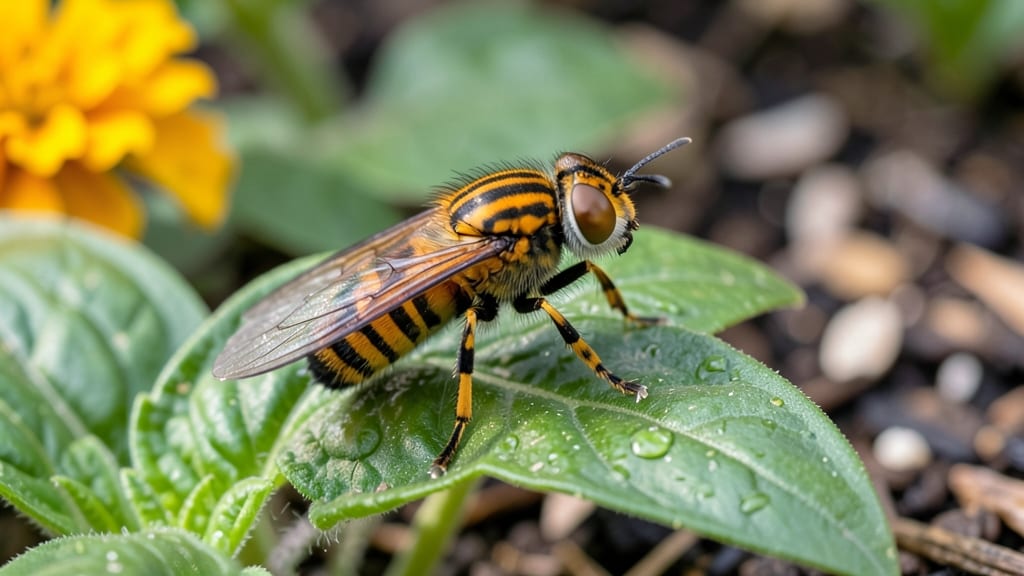
Keeping insects away from your garden is all about disrupting their life cycle with smart, fast-acting solutions that work in 24 hours or less.
Picture this: you’ve spent weeks nurturing your plants, only for aphids or beetles to turn your hard work into a buffet. The good news? You don’t need harsh chemicals to win this battle—just the right natural sprays and strategies to protect your garden without harming the ecosystem.
In this guide, I’ll walk you through five science-backed natural repellents—like neem oil, garlic spray, and peppermint oil—that deter pests while keeping your soil and pollinators safe. Plus, I’ll share pro tips on when and how to apply them for maximum effectiveness.
Whether you’re dealing with a spring infestation or summer pests, these methods will help you reclaim your garden—without the guesswork.
5 Fast-acting natural sprays to repel insects in 24 hours
When aphids, beetles, or caterpillars attack your garden, chemical sprays often feel like the only solution—but they harm beneficial insects and soil health. The good news? Science-backed natural sprays can repel pests in just 24 hours while keeping your garden safe.
These DIY formulas use ingredients like neem oil, garlic, and peppermint to disrupt insect life cycles without toxicity.
Why wait days for results when these sprays work overnight? The key lies in their active compounds: azadirachtin in neem oil confuses pests' mating signals, while allicin in garlic repels with its sharp odor.
For best results, apply in the evening when pests are most active and reapply every 3-5 days or after rain. These recipes are pet-safe when used correctly, making them ideal for families with dogs or cats.
My go-to spray is the neem oil blend—it’s the most versatile for soft-bodied insects like aphids and works on foliage and stems alike. To make it, mix 1 tablespoon of cold-pressed neem oil with 1 teaspoon of raw honey (the honey helps the oil stick to plants).
Add this to 1 quart of water and shake well before spraying. The honey also attracts beneficial wasps, which prey on garden pests naturally.
For chewing insects like Japanese beetles or cabbage worms, the garlic-pepper spray is unbeatable. Blend 4 fresh garlic cloves with 1 teaspoon of cayenne pepper and let it steep in 1 quart of water for 24 hours before straining.
The allicin in garlic repels pests, while the capsaicin in cayenne burns their mouthparts. This spray also deters slugs—just apply it along garden edges where they travel at night.
If you’re dealing with ants or spiders near your tomato plants or pepper beds, peppermint oil is your secret weapon. Mix 10 drops of pure peppermint oil with 1 teaspoon of mild dish soap (to help it adhere) in 1 quart of water.
The menthol in peppermint disrupts insects’ scent trails, making it nearly impossible for them to find your plants. Plus, the scent lingers for days, so you’ll see results within 24 hours.
One critical tip: Always apply these sprays in the late afternoon or evening to avoid harming bees and other pollinators. Early morning applications can leave residues that attract pests or repel beneficial insects.
After spraying, avoid watering your plants for at least 6 hours to let the solution fully absorb. For container gardens, reduce the water ratio by half to prevent over-saturation.
For large-scale gardens, consider using a sprayer attachment on your hose to cover more area efficiently. If you notice resistant pests after a week, rotate between neem oil and garlic pepper sprays—this prevents insects from building tolerance.
Store leftover spray in a glass bottle in the fridge for up to 5 days
How to apply insect repellent sprays for maximum effectiveness
Applying insect repellent sprays correctly is the difference between temporary relief and long-term pest control. Timing, coverage, and weather conditions all play critical roles in how well your spray works.
I’ve learned that early morning applications reduce evaporation and give active ingredients time to bond with plant surfaces before the heat of the day.
Before you even spray, check the weather forecast. Avoid applying when rain is expected within 24 hours—this dilutes the spray and washes it away. Humidity above 70% can also reduce effectiveness, so aim for mild, dry conditions between 6 AM and 9 AM for best results.
Now, let’s break it down into clear steps to ensure you’re applying your insect repellent sprays like a pro:
Select a spray based on the pest type. For soft-bodied insects like aphids, use neem oil or soapy water. For chewing insects like beetles, opt for garlic or peppermint sprays.
Shake the bottle vigorous for 30 seconds to mix ingredients. If diluting, follow the 1:1 ratio (e.g., 1 part spray to 1 part water) for most natural solutions. Never skip dilution—it can damage plants.
Most insects hide on the undersides of leaves. Use a spray bottle with a fine mist nozzle to reach these areas. Hold the bottle 6-12 inches away for even coverage.
Spray the top and bottom of leaves, stems, and flower buds. For broadleaf plants, use a back-and-forth motion to ensure full coverage. Delicate flowers may need hand-spraying to avoid damage.
Natural sprays break down quickly. Reapply every 7 days for heavy infestations or every 14 days for prevention. Rain or heavy dew means reapplying immediately.
Insects can build resistance to single sprays. Rotate between neem oil, garlic, and soapy water every 2-3 weeks to keep pests guessing and your garden protected.
One common mistake I see is skipping the undersides of leaves, where pests like aphids and spider mites love to hide.
Always take the extra 30 seconds per plant to flip leaves and spray thoroughly. Thin foliage (like basil or lettuce) may need a light touch to avoid over-saturating the leaves.
For large garden beds, consider using a hose-end sprayer for efficiency. Just remember to calibrate the nozzle to avoid runoff, which wastes product and can harm beneficial insects like ladybugs. Targeted application is key—focus on high-risk plants first, such as tomatoes, peppers, and roses, which attract more pests.
Finally, keep a garden spray log to track when you applied each treatment and the results. This helps you adjust your schedule based on pest activity. With consistent effort, you’ll see a noticeable reduction in pests within 2-3 weeks—and your plants will thank you with healthier growth! 🌿