
Watering
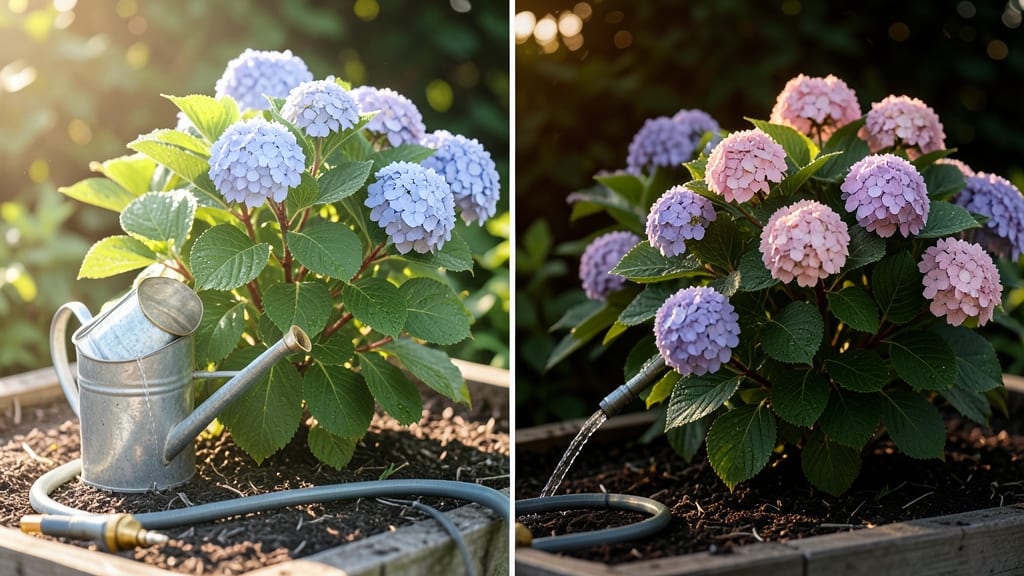
Watering gardens in the morning is generally better than evening because it reduces evaporation, allows foliage to dry before nightfall, and minimizes fungal risks. Early watering also helps plants absorb moisture efficiently during daylight hours.
Morning watering gives plants a head start by letting them soak up moisture when temperatures are cooler and evaporation rates are lower. 🌞 This means less water waste and healthier roots that establish deeper in the soil.
I've noticed that plants watered in the morning also show fewer signs of fungal diseases because damp leaves have time to dry completely before evening humidity sets in.
Evening watering can actually do more harm than good, especially in hot climates. When you water at night, the moisture lingers on leaves, creating a damp environment that encourages powdery mildew and other fungal growths.
Plus, the heat of the day means more water evaporates before it even reaches the roots. For container gardens or drought-resistant plants, morning watering is particularly beneficial because it mimics natural rainfall patterns and helps prevent soil erosion.
That said, there are exceptions—like in extremely hot, dry climates where evening watering might be preferable to prevent rapid evaporation. But for most gardeners, sticking to morning watering provides the best results for plant health and water efficiency.
💡 In This Article
- How Morning vs Evening Watering Affects Plant Growth
- Best Morning Watering Practices for Different Plant Types
How morning vs evening watering affects plant growth
The key difference between morning and evening watering lies in how plants interact with moisture during different temperature phases. In the morning, cooler temperatures and lower wind speeds mean water evaporates at a rate of about 20-30% slower than in the afternoon.
This gives roots 4-6 hours of ideal conditions to absorb moisture before the sun peaks, creating deeper root systems that can access water stored in the soil.
Evening watering creates a completely different dynamic. When you water at dusk, the moisture sits on leaves and soil as temperatures drop, creating a humid microclimate that fungal spores love.
Studies show plants watered in the evening are 3 times more likely to develop powdery mildew because damp foliage stays wet through the night. The science here involves relative humidity levels—which spike after sunset—combined with cooler nighttime temperatures that slow evaporation, leaving plants vulnerable.
Root hydration efficiency also differs dramatically. Morning watering aligns with a plant's natural circadian rhythms, where root pressure is highest during early daylight.
This means water moves more efficiently into the root zone, while evening watering often results in surface runoff because the soil hasn't had time to absorb moisture before nightfall. 🌱 For example, a tomato plant watered at 6 AM will have roots actively drawing up water for 8-10 hours before midday heat, compared to just 2-3 hours if watered at 6 PM.
Temperature fluctuations play a critical role too. During the day, soil warms up, creating convection currents that pull water deeper into the root zone. At night, cooler temperatures cause soil to contract, which can push surface water upward where it evaporates or becomes stagnant.
This is why you'll often see morning watering recommended for vegetable gardens—crops like lettuce and spinach need consistent moisture at their root level, not just on the surface.
Consider the case of succulents and cacti, which thrive on morning watering because their thick leaves can handle brief moisture exposure before the sun evaporates excess water.
In contrast, tropical plants like ferns or calatheas actually prefer evening watering in humid climates because their broad leaves benefit from the higher nighttime humidity. The difference comes down to how quickly each plant type can metabolize water—succulents store it efficiently, while tropical plants rely on constant atmospheric moisture.
One often-overlooked factor is how watering time affects beneficial soil microbes. Morning watering supports aerobic bacteria that thrive in well-aerated soil, while evening watering can create anaerobic conditions that favor harmful pathogens.
The soil's oxygen levels drop significantly after sunset, which is why fungal diseases like root rot spread more easily when plants are watered at night. 💧
For gardeners in arid climates, the decision becomes even more critical. In places like the Southwest U.S., morning watering can reduce evaporation losses by up to 50% compared to afternoon watering.
The cooler morning air holds more moisture, and the sun's angle is lower, meaning less water is lost to the atmosphere before reaching the roots.