I’ve always found solace in the dirt—whether it was sneaking tomatoes from my neighbor’s garden as a kid or helping my grandpa coax life out of stubborn seeds. This site is where I share the lessons I’ve learned from both successes and spectacular failures. My goal?
To make gardening feel less like a chore and more like a conversation with the earth.
💥 Quick Answer Turmeric for gardening boosts plant health by serving as a natural fungicide, insect deterrent, and growth enhancer. Its active compound, curcumin, fights fungal infections and pests while stimulating…
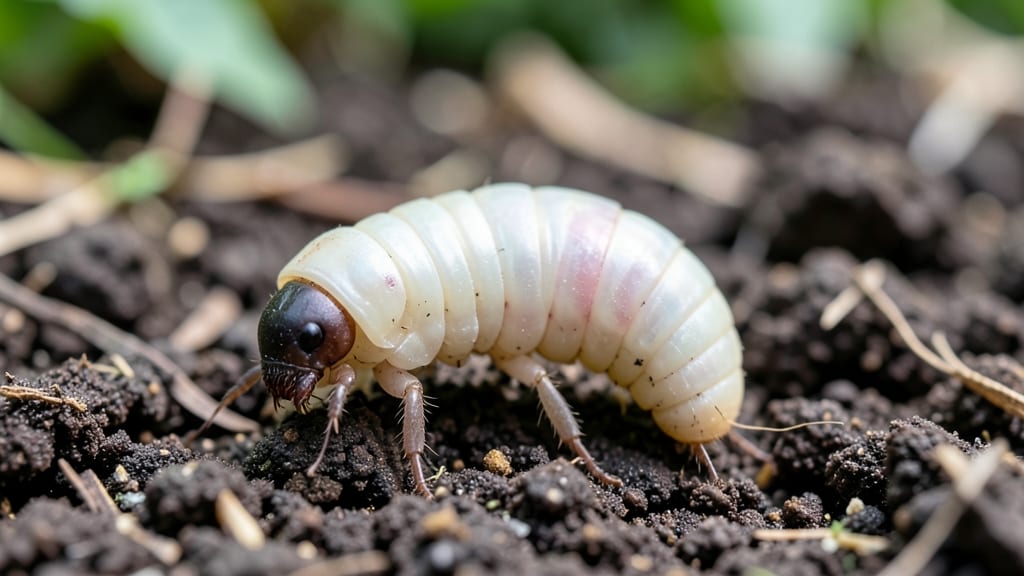
💥 Quick Answer Grub worms are bad for your garden because they devour grass roots and plant stems, leading to stunted growth, yellowing foliage, and dead patches. Japanese beetle grubs and European chafer grubs are…
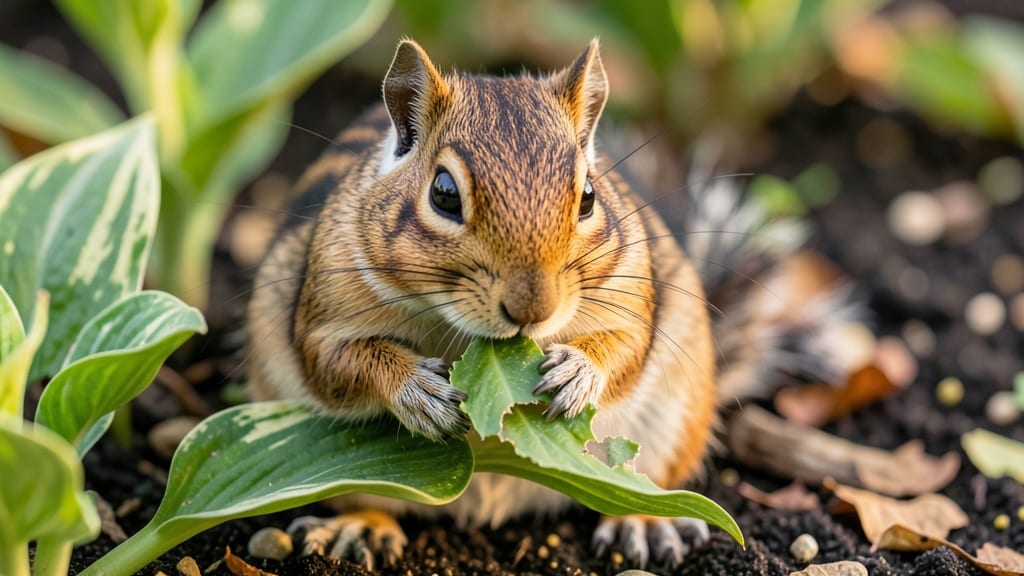
💥 Quick Answer Chipmunks eat garden plants, especially seeds, bulbs, fruits, vegetables, and tender young shoots like lettuce, beans, and corn. These small rodents can quickly damage seedlings and stored harvests, often…
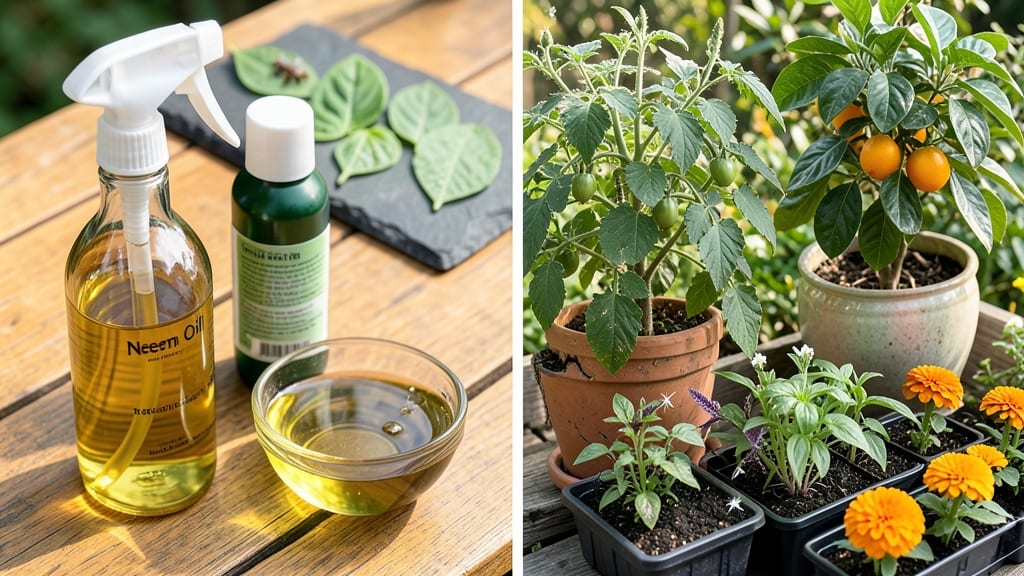
💥 Quick Answer Neem oil has many uses for neem oil in the garden , serving as a natural pesticide, fungicide, and insect repellent that targets aphids, mites, whiteflies, and fungal issues like powdery mildew while…
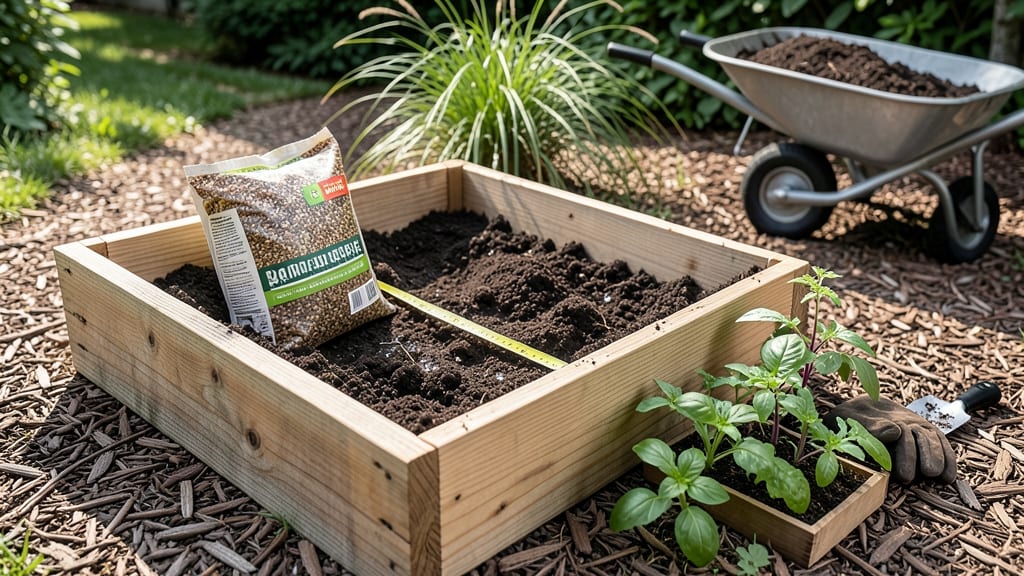
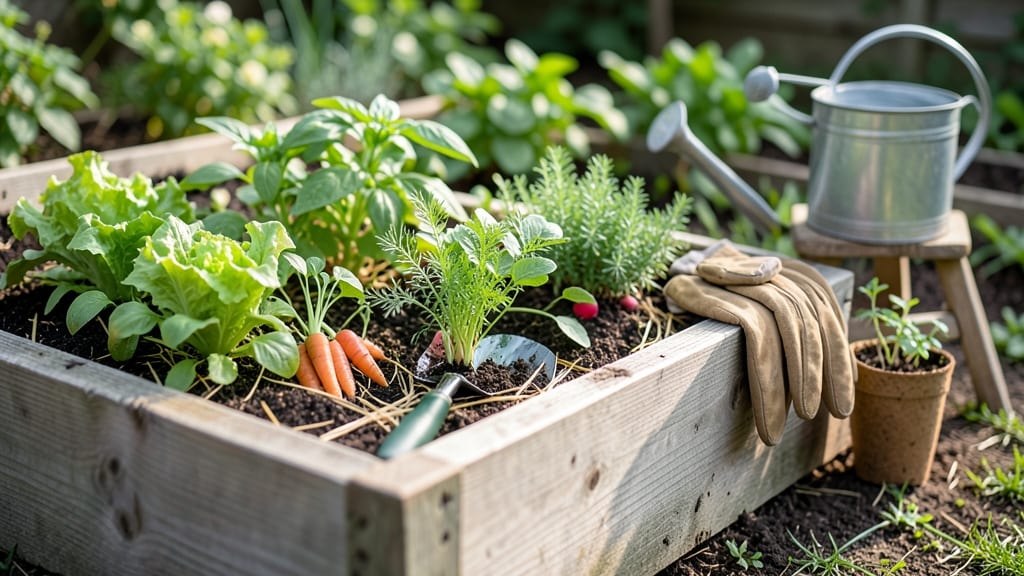
💥 Quick Answer The purpose of raised garden beds is to create controlled growing environments that enhance soil quality, reduce maintenance challenges, and increase crop productivity through improved drainage…
💥 Quick Answer The botanical gardens in Gainesville offer stunning plant collections like the Kanapaha Botanical Gardens and Butterfly Rainforest , blending native Florida species with seasonal displays and hands-on…
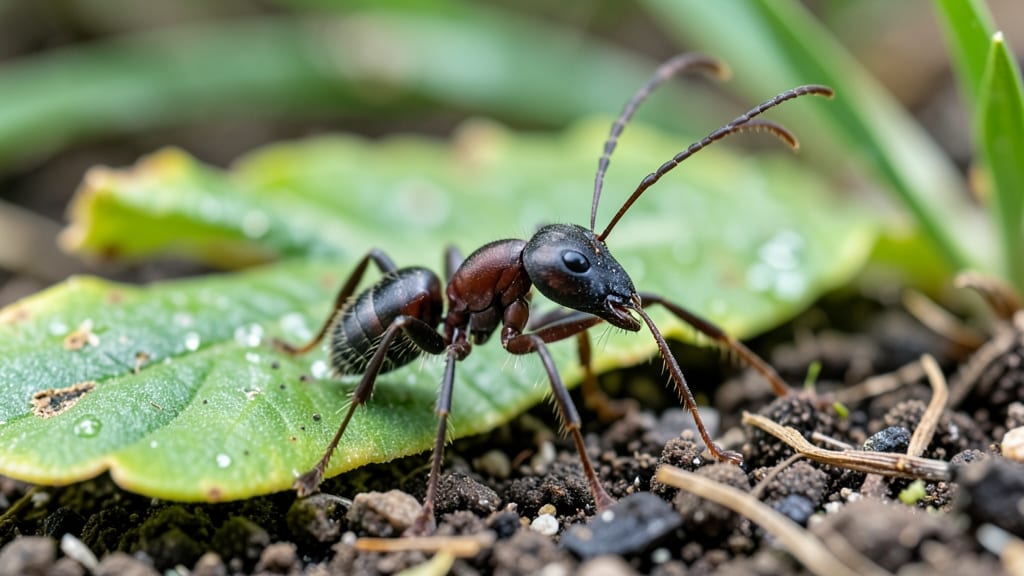
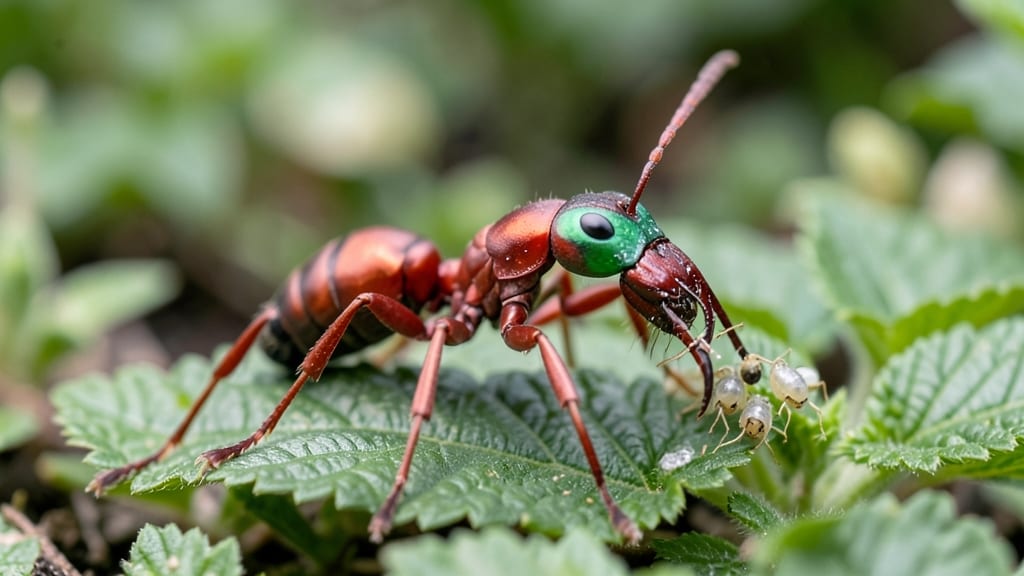
💥 Quick Answer Growing red giant ants in your garden naturally aerates soil through their tunneling, decomposes organic matter to enrich nutrients, and preys on pests like caterpillars while enhancing drainage and root…
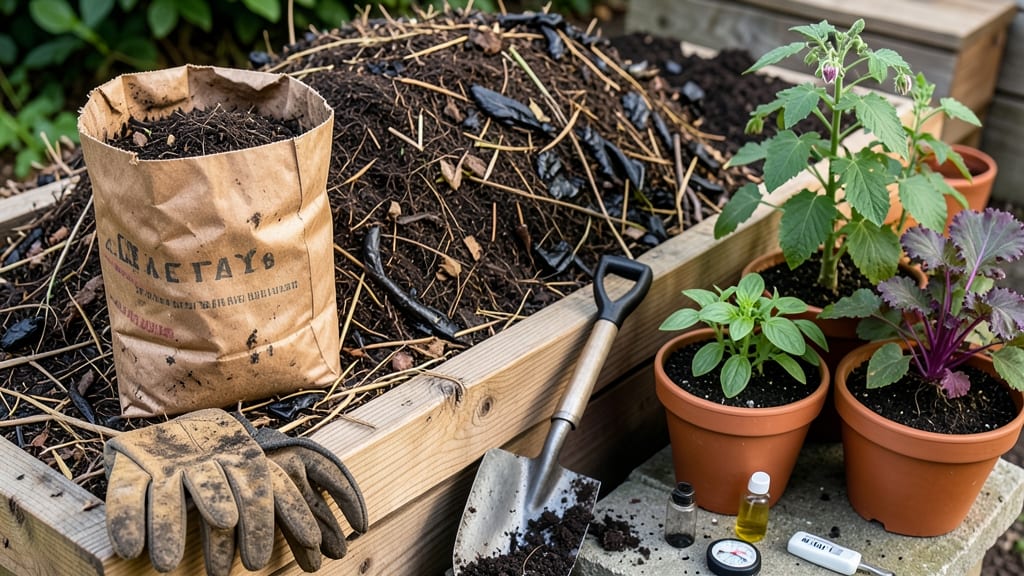
💥 Quick Answer Chicken poop is good for gardens when properly composted, as it provides essential nitrogen for plant growth while avoiding plant burns and pathogen risks like salmonella. Always compost it for at least…
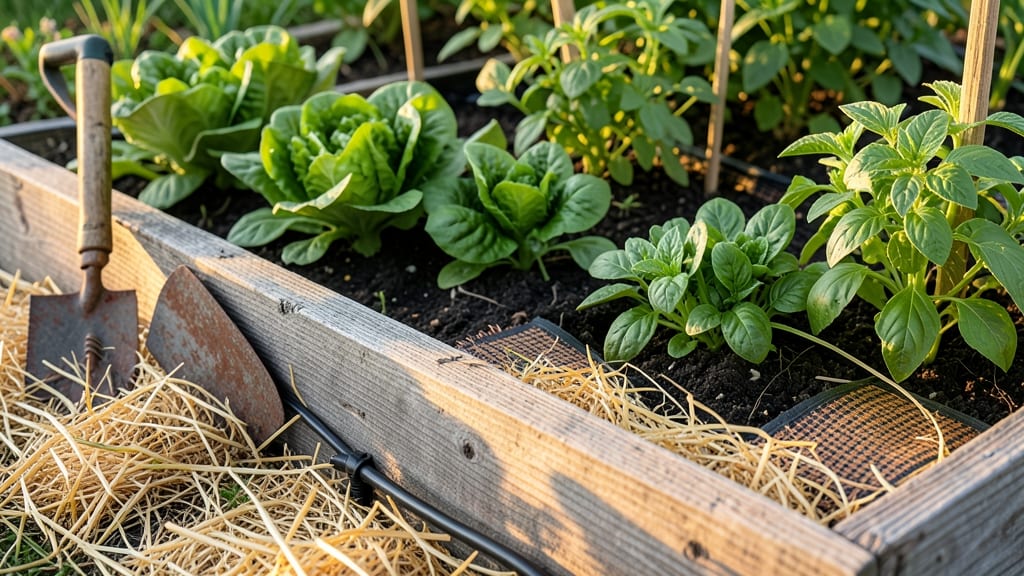
💥 Quick Answer The best way to keep weeds out of your garden combines thick organic mulch, landscape fabric, and dense plant covers to block sunlight and suppress growth naturally. The most effective weed control isn't…
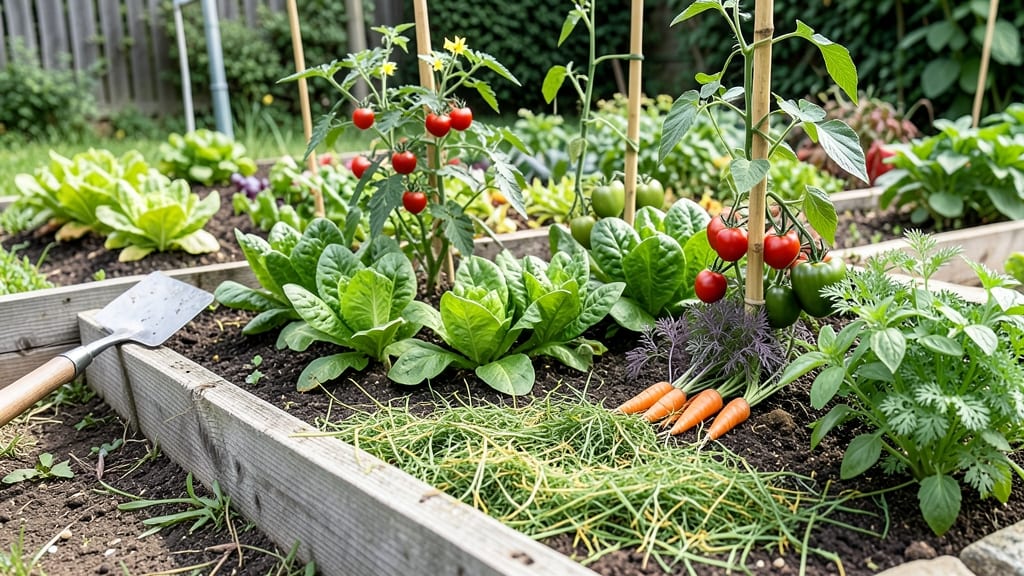
💥 Quick Answer Incorporating grass clippings into vegetable gardens boosts soil health by providing natural nitrogen and organic material, but they should always be dried or composted beforehand to avoid compacting soil…