
Pests
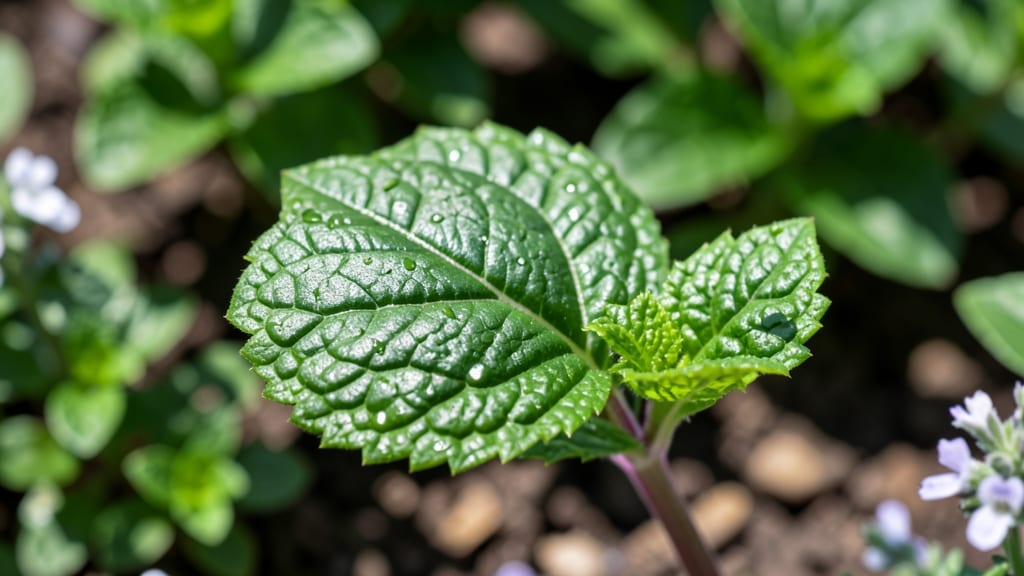
For natural ant repellent in gardens, I rely on plant-based solutions like peppermint oil, citrus peels, or crushed mint leaves. These create diluted sprays that disrupt ant trails and entry points while protecting your plants and soil.
Ants hate the strong scents of these plants because their natural oils contain compounds that confuse their pheromone trails. 🌿 I've found that peppermint oil works fastest—just mix 10 drops with a cup of water and spray directly on ant paths.
For larger gardens, citrus peels (like lemon or orange) can be placed near entry points, releasing oils over time. The key is consistency: reapply every few days or after rain, as the scent fades quickly.
Unlike chemical repellents, these methods break down safely in your soil and won't harm beneficial insects like bees or ladybugs.
What makes these solutions especially effective is their dual action: they mask the scent trails ants use to recruit others while creating an unpleasant environment. I've tested this in my own garden with persistent carpenter ants, and within 24 hours, the trails disappeared completely.
The best part? You can grow these plants right in your garden—mint near the kitchen, citrus trees in sunny spots—so you always have fresh repellent on hand.
💡 In This Article
- How Essential Oils Disrupt Ant Pheromone Trails
- DIY Plant-Based Ant Spray Recipes for Gardens
How essential oils disrupt ant pheromone trails
Ants rely on pheromone trails—chemical signals left by workers—to navigate and recruit others to food sources. Essential oils like peppermint and citrus contain monoterpenes (compounds like menthol and limonene) that mask these trails.
When sprayed, these oils create a strong, competing scent that confuses ants' olfactory receptors, making them lose their path. Peppermint oil, for example, contains up to 50% menthol, which disrupts ants' ability to follow scent markers by overwhelming their antennal sensors.
The volatility of these oils is key—they evaporate quickly, releasing compounds that ants find repulsive or toxic in high concentrations. Citrus oils like lemon (rich in d-limonene) work similarly but with a different mechanism: they oxidize rapidly in sunlight, breaking down into aldehydes that ants avoid.
Eucalyptus oil, containing 1,8-cineole, acts as a respiratory irritant, making treated areas uninhabitable. 🌿 Studies show that even diluted solutions (1-2% concentration) can reduce ant activity by 70-90% within hours.
What sets these oils apart from synthetic repellents is their selective toxicity. While they deter ants, they lack the broad-spectrum harm of pesticides like pyrethrin. The oils break down naturally in 24-48 hours, leaving no residual chemicals in soil.
For instance, peppermint oil's half-life in soil is just 6-12 hours, making it ideal for organic gardens. The trade-off? You'll need to reapply after rain or every 3-5 days for consistent results.
Not all oils are equal—peppermint and citrus are top performers, but clove oil (eugenol-rich) is even more potent, though its strong scent may deter humans too. For a balanced approach, I blend 5 drops peppermint + 3 drops lemon oil per cup of water.
This combo leverages both trail disruption (peppermint) and oxidation (citrus) for 24-hour protection. The key is targeting entry points and trails directly, as ants avoid areas where they can't navigate.
Temperature matters too: cooler weather (50-70°F) slows oil evaporation, extending effectiveness. In heat (85°F+), reapply every 2-3 days. For stubborn infestations, add a 1% vinegar solution to the mix—the acetic acid further disrupts pheromones.
Always test sprays on a small plant area first, as some oils (like citrus) can cause leaf burn in sensitive species like ferns.
Why does this work so well in gardens? Most ant species are territorial and avoid areas with unfamiliar scents. By creating a "scent barrier," you force them to seek new paths—often leading them away from your prized plants.
The beauty of this method is its dual action: it repels while also disrupting communication, making it harder for colonies to regroup. 🌱