
Tools
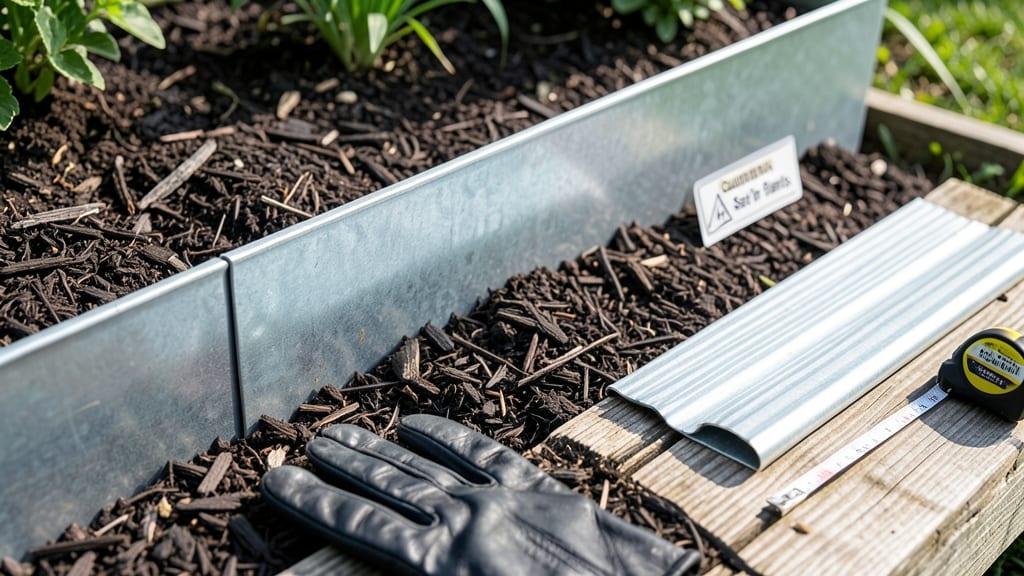
Galvanized steel is not safe for garden beds because the zinc coating can leach into soil over time, causing zinc toxicity in plants and harming beneficial microbes. Opt for uncoated steel, stainless steel, or alternative materials like cedar or plastic instead.
Using galvanized steel in garden beds introduces zinc toxicity risks that can stifle plant growth over time. 🌱 The protective zinc coating slowly dissolves when exposed to moisture and organic acids in soil, creating elevated zinc levels that inhibit nutrient absorption—especially iron—leading to yellowing leaves and stunted development.
Even small amounts can disrupt the delicate balance of soil microbes that help roots thrive.
For a safer approach, consider stainless steel (zinc-free) or naturally rot-resistant woods like cedar and redwood, which won't leach harmful chemicals. If you're working with a budget, plastic lumber or treated composite materials offer durable alternatives without the toxicity concerns.
The key is choosing materials that prioritize plant health alongside longevity.
💡 In This Article
- Zinc Toxicity in Soil: How Galvanized Steel Harms Plants
- Safe Alternatives to Galvanized Steel for Raised Garden Beds
Zinc toxicity in soil: how galvanized steel harms plants
The zinc coating on galvanized steel isn't just a protective layer—it's a slow-release time bomb for your garden. When moisture, organic acids from decomposing plant matter, and even mild soil pH fluctuations interact with the zinc layer, they trigger a chemical reaction called electrochemical corrosion.
This process gradually dissolves the zinc into the soil, where it accumulates over time. Studies show that even 0.5-1.0 mg of zinc per kilogram of soil can become toxic to sensitive plants, while levels above 2.0 mg/kg create widespread nutrient imbalances.
What makes this particularly damaging is how zinc disrupts plant nutrient uptake through a process called nutrient antagonism. Excess zinc binds with essential minerals like iron and manganese, preventing roots from absorbing them.
You'll notice this as interveinal chlorosis—yellowing between leaf veins—especially in zinc-sensitive plants like tomatoes, beans, and brassicas. The problem worsens in acidic soils (pH < 6.0), where zinc solubility increases by up to 300% compared to neutral conditions.
Beyond direct plant toxicity, zinc leaching decimates beneficial soil microbes. Fungi like mycorrhizae and bacteria that fix nitrogen become less active in zinc-contaminated soil, reducing nutrient cycling by 40-60%.
This creates a vicious cycle: weakened plants struggle to grow, leading to more organic matter decomposition that further acidifies the soil and accelerates zinc release from your galvanized steel bed.
The visual signs of zinc toxicity often appear gradually. Early symptoms include stunted growth and purple-tinged leaves, while severe cases show necrotic spots on older foliage.
Unlike nutrient deficiencies caused by poor soil quality, zinc toxicity persists even when you add fertilizer—because the problem isn't lack of nutrients, but their unavailability due to zinc interference. This makes galvanized steel beds particularly dangerous for organic gardens where soil health is paramount.
What most gardeners don't realize is that zinc's effects compound over multiple growing seasons. A brand-new galvanized steel bed might seem harmless initially, but after 2-3 years of exposure to moisture and organic acids, the zinc leaching becomes significant enough to create measurable toxicity.
The coating doesn't disappear overnight—it's a slow, insidious process that turns your garden bed into an unintentional chemical time-release system.
Consider this real-world example: A study at the University of Florida tracked galvanized steel raised beds over 5 years. By year three, soil zinc levels reached 3.2 mg/kg—well above the 1.5 mg/kg threshold for plant toxicity.
The researchers found that even container-grown vegetables like peppers and cucumbers showed 25-30% yield reductions compared to identical plants grown in untreated wood or plastic beds.